


Iran doubles down on Hormuz closure as ceasefire nears expiry and ships wade through uncertain waters
Tehran links passage to end of US blockade; tensions rise after firing on vessels
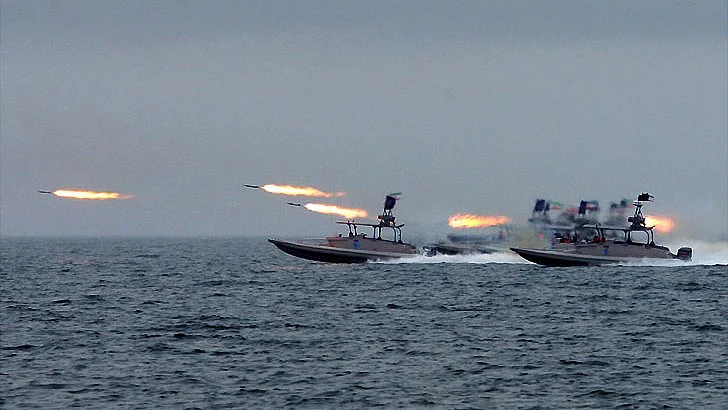


Iran has hardened its stance on restricting maritime traffic through the Strait of Hormuz, warning that commercial vessels will continue to face threats as long as the United States maintains its blockade on Iranian ports, even as efforts intensify to salvage a fragile ceasefire.
Iranian parliamentary Speaker Mohammad Bagher Qalibaf said Tehran would continue to enforce restrictions on ships attempting to pass through the strategic waterway, days after Iranian forces fired on vessels mid-transit.
“It is impossible for others to pass through the Strait of Hormuz while we cannot,” Qalibaf said in a televised interview.
Shipping stalls after firing incidents
The warning follows fresh incidents in which Iran’s Revolutionary Guard forces opened fire on vessels attempting to navigate the strait. Two India-flagged ships were forced to turn back, while another vessel sustained damage after being hit by a projectile, according to maritime security agencies.
After a brief increase in transit attempts, shipping activity has slowed sharply, with vessels in the Persian Gulf holding position amid heightened risk.
The Strait of Hormuz, through which roughly one-fifth of the world’s oil passes, has effectively reverted to pre-ceasefire conditions, raising concerns over a deepening global energy crisis.
Ceasefire under strain
The fragile ceasefire between the US and Iran, in place after weeks of conflict, is set to expire by midweek. Diplomatic efforts are underway to extend the truce, with Pakistan acting as a mediator to facilitate fresh talks between the two sides.
Iran said it has received new proposals from Washington, though no breakthrough has yet been announced.
Tit-for-tat pressure tactics
The standoff reflects a broader strategy by both sides to exert economic and strategic pressure.
Iran is leveraging its control over the Strait of Hormuz, a key global chokepoint
The US blockade aims to choke Iran’s oil revenues and economic lifelines
Iran’s Supreme National Security Council said it would prevent any “conditional and limited reopening” of the strait, calling the US blockade a violation of the ceasefire.
The council added that Iran intends to maintain “oversight and control” over maritime traffic, including enforcing designated routes, charging fees and issuing transit permits.
Global implications
Iranian Deputy Foreign Minister Saeed Khatibzadeh accused the US of “risking the international community” and “the global economy”, warning that the current approach could derail the ceasefire.
The standoff threatens to escalate tensions in a conflict that has already caused significant casualties across the region, including thousands killed in Iran and Lebanon, and disruptions to global energy markets.
With the ceasefire nearing its deadline and maritime tensions intensifying, the situation in the Strait of Hormuz remains volatile.
Any failure to extend the truce or ease restrictions on shipping could trigger renewed hostilities, with far-reaching consequences for global trade, energy security and regional stability.
Join our official telegram channel (@nationalherald) and stay updated with the latest headlines