


Iran issues stark warning to US, Israel amid deadly nationwide protests
Death toll crosses 116 as Tehran issues threats amid internet blackout and rising US pressure
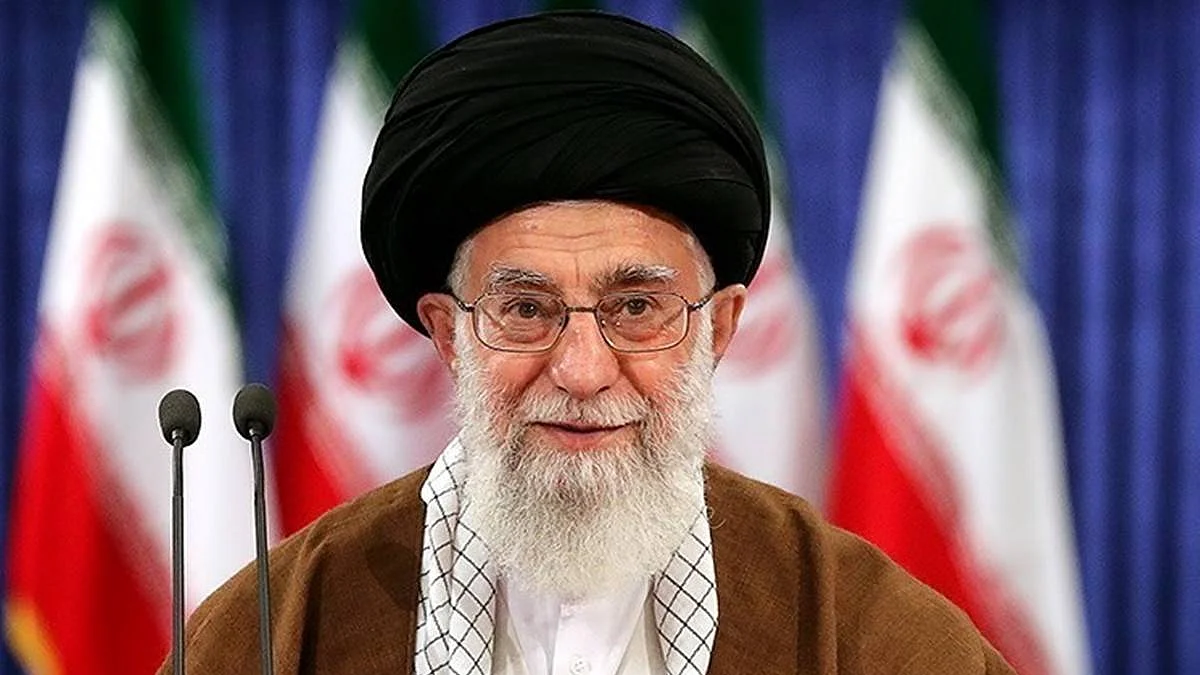


Iran on Sunday warned that American forces and Israel would be treated as “legitimate targets” if the United States launches military action against the Islamic Republic, as nationwide protests challenging the country’s theocratic rule entered their third week and the death toll from unrest rose sharply.
Iranian Parliament Speaker Mohammad Baqer Qalibaf issued the warning during a heated session of parliament that was broadcast live on state television, with lawmakers chanting “Death to America” as he accused Washington of threatening Iran over the demonstrations.
His remarks came as activists said at least 116 people have been killed and around 2,600 detained since protests erupted on 28 December, initially over the collapse of the rial and later expanding into a direct challenge to clerical rule.
With Iran cutting off internet access and international phone lines, verifying events on the ground has become increasingly difficult. Rights groups outside the country say the communications blackout risks enabling a harsher crackdown by security forces.
Threats of retaliation
Qalibaf said Iran would not wait to be attacked before responding.
“In the event of an attack on Iran, both the occupied territory and all American military centres, bases and ships in the region will be our legitimate targets,” he said, referring to Israel and US forces in the Middle East.
He added that Iran would act on “objective signs of a threat”, raising the prospect of pre-emptive action. The comments followed warnings from US President Donald Trump, who has said he is prepared to strike Iran if necessary to protect peaceful demonstrators.
American media reports said Trump has been briefed on military options, though no final decision has been announced. The US State Department cautioned Tehran against underestimating Washington’s resolve, saying the president “means what he says”.
US Central Command has said American forces in the region are postured to defend themselves, allies and key interests if required.
Protests spread despite blackout
Despite restrictions, videos shared through satellite links and social media show protests continuing in major cities, including Tehran and Mashhad.
Footage circulating online appeared to show:
Demonstrators in northern Tehran waving mobile phone lights and blocking streets, while others banged metal objects and set off fireworks.
Confrontations in Mashhad, Iran’s second-largest city, where burning debris was seen on roads near the Imam Reza shrine — the holiest site in Shia Islam.
Smaller demonstrations were also reported in Kerman and other cities. State television, meanwhile, broadcast images of calm streets and pro-government rallies in select towns, though it did not show conditions in Tehran or Mashhad.
Iran’s Supreme Leader Ayatollah Ali Khamenei has signalled a tougher response. The country’s attorney general warned that anyone participating in protests could be charged as an “enemy of God” — an offence that carries the death penalty — and said even those who assist demonstrators would face prosecution.
International pressure and exile calls
Trump has publicly voiced support for the protesters, posting that Iran is “looking at freedom, perhaps like never before”. His administration has also hinted that failure to rein in violence could trigger military consequences.
Adding to the pressure, Iran’s exiled Crown Prince Reza Pahlavi has called for sustained demonstrations over the weekend, urging Iranians to reclaim public spaces and carry national symbols associated with the pre-1979 monarchy.
While some protesters have chanted in favour of the former royal family, analysts say it remains unclear whether this reflects support for Pahlavi himself or simply nostalgia for a time before clerical rule.
How the crisis escalated
The protests began after Iran’s currency plunged to historic lows, trading at more than 1.4 million rials to the US dollar, intensifying public anger over economic hardship linked to international sanctions and mismanagement.
What started as demonstrations over prices and jobs has since evolved into a broader political challenge to the Islamic Republic, with chants and placards directly targeting senior clerical leaders.
Key developments so far include:
At least 116 deaths and more than 2,600 arrests, according to activist groups.
Nationwide internet shutdown and international call restrictions imposed since Thursday.
Warnings from Iran’s leadership that protesters face severe punishment, including capital charges.
Escalating rhetoric between Tehran and Washington, with military options now openly discussed.
Uncertain path ahead
With Iran’s air defences weakened after last year’s conflict with Israel and regional tensions already high, analysts say any direct confrontation involving the US, Israel and Iran would carry serious risks for the wider Middle East.
For now, the immediate future hinges on whether Iran’s leadership chooses to intensify its crackdown, whether protests can sustain momentum under the blackout, and whether Washington follows through on its threats of military action.
As the unrest enters its third week, the standoff between a defiant theocracy, emboldened protesters and an increasingly vocal United States has pushed Iran into one of its most volatile moments in years.
Join our official telegram channel (@nationalherald) and stay updated with the latest headlines