


Iran protests in second week amid crackdown, internet blackout and rising death toll
Authorities acknowledge unrest as security forces tighten grip, state media projects calm and Washington issues fresh warnings
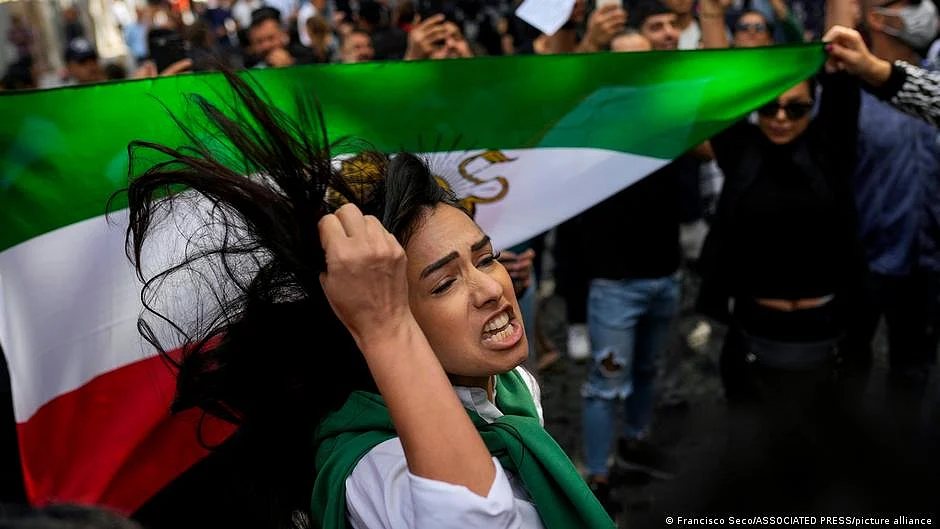


Protests sweeping across Iran have entered their second week, with authorities acknowledging the unrest even as an intensified security crackdown and a near-total communications blackout leave the country largely cut off from the outside world.
With internet services shut down and international phone lines severed, assessing the scale of demonstrations has become increasingly difficult. However, the US-based Human Rights Activists News Agency says at least 65 people have been killed and more than 2,300 detained since the protests erupted. Iranian state media, meanwhile, has focused on casualties among security forces while insisting the situation is under control.
Supreme Leader Ayatollah Ali Khamenei has signalled a tougher response ahead, despite warnings from Washington. “The United States supports the brave people of Iran,” US Secretary of State Marco Rubio wrote on social media on Saturday. The US State Department issued a sterner message, cautioning Tehran against testing President Donald Trump’s resolve.
State television has sought to frame the narrative by repeatedly airing footage of pro-government rallies, accompanied by martial orchestral music from Epic of Khorramshahr, a composition closely associated with Iran’s wartime memory. Anchors claimed calm had returned to most cities overnight, alleging that earlier unrest was driven by “armed terrorists”.
Those claims were contradicted by verified online footage showing thousands of demonstrators on the streets of northern Tehran’s Saadat Abad district, chanting slogans including “Death to Khamenei”. Separate surveillance footage released by the semiofficial Fars news agency appeared to show violent clashes in Isfahan, with protesters setting fires and attacking what was described as a government compound.
Reports from state-linked media said several members of the Basij volunteer force were killed in Gachsaran, while other security personnel died in incidents across Hamadan, Bandar Abbas, Gilan and Mashhad. State television also broadcast images of funerals attended by hundreds in the religious city of Qom.
Saturday, the start of Iran’s working week, saw many schools and universities switch to online classes, according to state media. Yet demonstrations are expected to continue over the weekend. Exiled Crown Prince Reza Pahlavi has urged Iranians to return to the streets carrying the pre-revolutionary lion-and-sun flag. His involvement remains contentious, particularly given his perceived alignment with Israel following last month’s 12-day conflict.
The protests began on 28 December, triggered by the collapse of the Iranian rial, now trading at more than 1.4 million to the US dollar. What started as anger over economic hardship has since evolved into open challenges to Iran’s ruling theocracy, marking one of the most serious episodes of unrest the country has faced in recent years.
With PTI inputs
Join our official telegram channel (@nationalherald) and stay updated with the latest headlines