


Iran pushes for war settlement within 30 days as Trump fuels uncertainty
Tehran demands end to sanctions, blockade and regional hostilities in new 14-point proposal sent via Pakistan
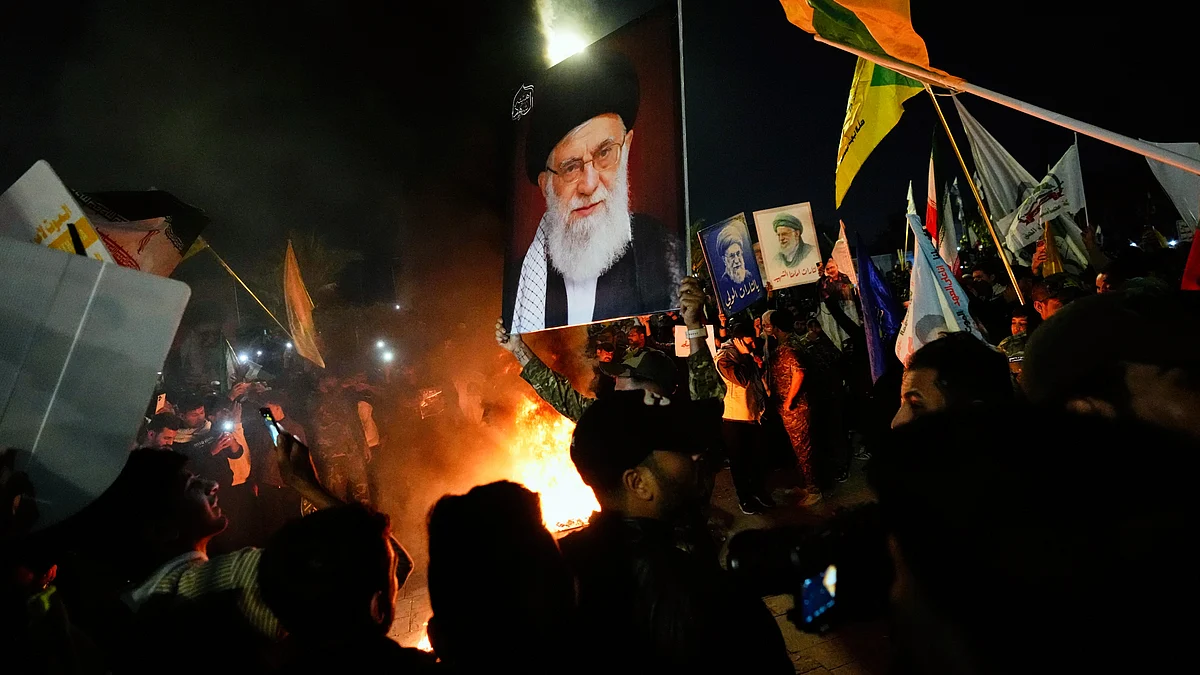


Iran has proposed a 30-day roadmap to end the ongoing conflict with the United States, seeking a comprehensive settlement that includes lifting sanctions, ending the American naval blockade and halting military operations across the region, according to Iranian state-linked media reports.
The latest Iranian proposal, described as a 14-point response to Washington’s earlier nine-point framework, was conveyed to the US through Pakistan, which has been facilitating indirect communication between the two sides.
The semi-official Nour News agency, which maintains close links with Iran’s security establishment, reported that Tehran wanted all major issues resolved within 30 days and was seeking a permanent end to the war rather than another temporary ceasefire extension.
Trump says he is reviewing proposal
Donald Trump said on Saturday that he was examining the latest Iranian proposal but expressed doubts over whether it would ultimately produce an agreement.
Trump had earlier rejected a previous Iranian proposal this week, though diplomatic contacts between the two sides have continued despite the fragile nature of the three-week ceasefire currently in place.
The Iranian proposal reportedly demands:
Complete lifting of US sanctions on Iran
End of the US naval blockade
Withdrawal of American military forces from the region
Cessation of hostilities involving Israel, including operations in Lebanon
A broader settlement replacing the current truce arrangement
Pakistan and Oman continue mediation efforts
According to Iranian media, the latest response was transmitted through Pakistani intermediaries.
Pakistan has hosted earlier rounds of indirect negotiations between Washington and Tehran during the conflict.
Meanwhile, Iranian Foreign Minister Abbas Araghchi held talks on Sunday with Badr al Busaidi, whose country had earlier mediated discussions between Iran and the United States before fighting escalated.
Strait of Hormuz remains central flashpoint
The conflict continues to revolve heavily around the Strait of Hormuz, one of the world’s most critical energy chokepoints through which roughly one-fifth of global oil and gas trade normally passes.
Trump recently floated a fresh proposal aimed at reopening the strait while maintaining pressure on Tehran.
However, Iranian officials indicated that Tehran would not retreat from its current position regarding control over the waterway.
Iran refuses return to ‘prewar conditions’
Iranian deputy parliament speaker Ali Nikzad said Tehran would not abandon the strategic leverage it has established in the Gulf during the conflict.
“We will not back down from our position on the Strait of Hormuz, and it will not return to its prewar conditions,” Nikzad said during a visit to facilities on Larak Island near the narrowest section of the strait.
“The Strait of Hormuz belongs to the Islamic Republic of Iran,” he added.
Nikzad also claimed that Iran was working to compensate businesses and properties damaged during the war and insisted Trump’s blockade strategy would fail.
Iran insists ships can pass after paying tolls
Iran has maintained that ships not linked to the US or Israel would still be allowed to transit through the Strait of Hormuz after paying fees.
The United States, however, has warned shipping companies that any payments to Iran — including through digital assets — could trigger sanctions.
Iran effectively disrupted shipping through the strait after the US and Israel jointly launched military operations on 28 February.
Tehran later allowed selective maritime passage through routes closer to Iranian territorial waters, reportedly charging transit fees in certain cases.
US blockade squeezing Iran’s economy
The United States has maintained a naval blockade on Iranian ports since 13 April, sharply limiting Tehran’s oil exports and worsening pressure on the country’s already fragile economy.
The economic strain continues to deepen inside Iran, with the Iranian rial remaining under severe pressure amid uncertainty over sanctions, oil exports and the broader direction of negotiations.
Although large-scale direct fighting has paused under the ceasefire arrangement, tensions between Washington and Tehran remain extremely high.
Major disagreements continue over Iran’s nuclear programme, sanctions relief, regional military deployments and future control over maritime trade routes in the Gulf.
Join our official telegram channel (@nationalherald) and stay updated with the latest headlines