


Iran strikes Gulf energy sites after Israeli hit on South Pars gas field
Attacks on refineries, LNG facilities and ships escalate conflict; oil prices surge
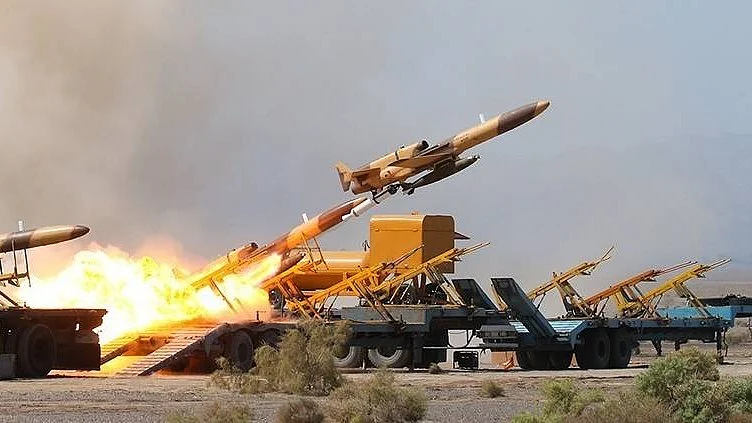


Iran on Thursday launched coordinated strikes on energy infrastructure across Gulf countries, targeting refineries and gas facilities in Saudi Arabia, Qatar, Kuwait and the UAE, in retaliation for an Israeli attack on its offshore South Pars gas field.
The escalation marks a significant widening of the conflict, with global oil prices surging as fears of supply disruption intensified. Brent crude rose to $114 per barrel, up more than 57 per cent since the war began on 28 February.
Strikes hit refineries, LNG facilities
Iranian drones and missiles hit a Saudi refinery in Yanbu on the Red Sea, raising concerns over alternative export routes that Riyadh had been using to bypass the Strait of Hormuz.
In Qatar, missiles struck the Ras Laffan LNG facility, causing “sizable fires and extensive damage”, according to authorities. Production at the site had already been halted following earlier attacks.
In Kuwait, drone strikes set ablaze the Mina Al-Ahmadi refinery and the nearby Mina Abdullah refinery, though no casualties were reported, officials said.
Authorities in Abu Dhabi said operations at the Habshan gas facility and Bab oil field were suspended after overnight attacks and interceptions.
Maritime risks intensify
The conflict has also expanded into maritime zones, with ships reported damaged or set ablaze near Qatar and the UAE, according to the United Kingdom Maritime Trade Operations (UKMTO).
More than 20 vessels have been attacked since the conflict began, highlighting risks to shipping through the Strait of Hormuz, which carries about one-fifth of global oil supply.
Saudi Arabia, Qatar and the UAE condemned the strikes, with Riyadh warning that trust had been “completely shattered”.
Saudi authorities said multiple Iranian drones targeting Riyadh and eastern regions were intercepted, though damage was reported at the SAMREF refinery, a joint venture involving Saudi Aramco and ExxonMobil.
Retaliation for South Pars strike
The Iranian attacks followed an Israeli strike on South Pars, part of the world’s largest natural gas field shared with Qatar.
The facility is critical to Iran’s energy system, accounting for a major share of electricity generation and domestic consumption.
Iranian President Masoud Pezeshkian warned of “uncontrollable consequences” following the strike, while US President Donald Trump cautioned that further escalation targeting energy infrastructure could trigger a strong response.
Wider conflict and casualties
The conflict has continued to escalate, with multiple waves of Iranian missile attacks on Israel sending civilians into shelters.
More than 1,300 people have been killed in Iran, while casualties have also been reported in Israel, the West Bank and among US forces, according to official and media reports.
The latest developments underscore a shift towards targeting critical energy infrastructure, raising the risk of prolonged disruption to global oil and gas supplies.
With both sides expanding their target sets, analysts warn that the conflict could have sustained economic consequences, particularly for energy markets and maritime trade routes.
Join our official telegram channel (@nationalherald) and stay updated with the latest headlines