


Iran vows to retain control over Strait of Hormuz as tensions with US escalate
Parliament Speaker says Tehran will not allow its security interests to be dictated by adversaries as fresh US strikes target Iranian military sites
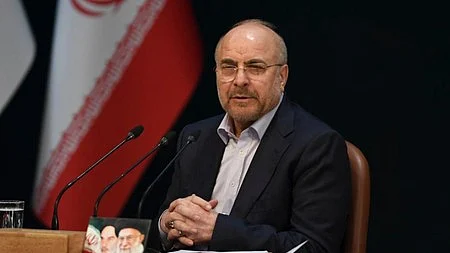


Iran has declared that it will not allow any external power to dictate security arrangements in the Strait of Hormuz, with Parliament Speaker Mohammad Baqer Qalibaf linking the country's national security directly to maintaining its role in the strategic waterway.
In a statement issued on Wednesday, Qalibaf said Iran's security depended on preserving what he described as "Iranian arrangements" in the administration of the Strait of Hormuz, adding that Tehran would not permit the "enemy" to impose its will.
Qalibaf, who also heads Iran's negotiating team, accused the United States of seeking opportunities to weaken Iran in pursuit of its own interests.
He said Tehran's decisions in both conflict and diplomacy must be guided by national interests, long-term strategy and a realistic assessment of the situation.
While stressing that Iran does not seek war, Qalibaf said the country must remain prepared for military confrontation to protect its sovereignty and national interests.
He added that diplomacy and negotiations should continue alongside military preparedness to safeguard Iran's strategic objectives.
Referring to the peace memorandum of understanding (MoU) signed with the United States on 18 June, Qalibaf said the agreement would retain value only if both sides honoured and implemented its provisions.
The MoU envisaged a 60-day negotiating period aimed at reaching a final agreement to help end hostilities across the region, including in Lebanon. However, the accord has come under strain following renewed military exchanges between Iranian and US forces in recent days.
The remarks came as the US military launched another round of strikes against Iranian targets.
The US Central Command (CENTCOM) said American forces carried out a second wave of operations on Wednesday afternoon US time, targeting Iranian military capabilities that it said had been used to threaten commercial shipping through the Strait of Hormuz.
The latest exchange underscores the rapid deterioration in relations between Washington and Tehran, raising concerns over the security of one of the world's most critical energy transit routes.
With IANS inputs
Join our official telegram channel (@nationalherald) and stay updated with the latest headlines