


Israel, Hamas trade blame over delays to second phase of Gaza ceasefire after fresh killing
Accusations follow Israeli strike that killed senior Hamas commander as both sides spar over return of last captive’s remains and terms of US-brokered peace plan
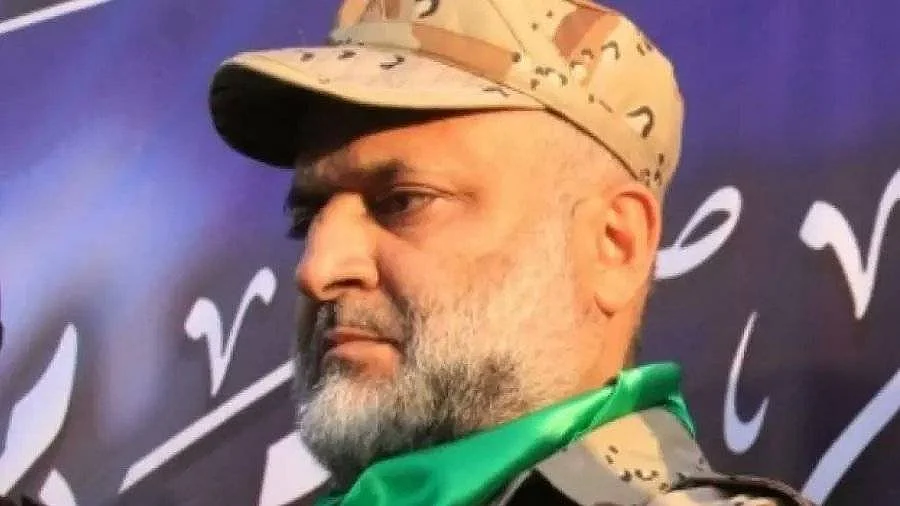


Israel and Hamas on Sunday traded accusations over delays in moving to the second phase of the US-brokered ceasefire in Gaza, amid renewed violence and mounting tensions between the two sides.
The exchange followed the killing of a senior Hamas commander near Gaza City, an incident that Hamas said amounted to a serious violation of the ceasefire and threatened the viability of the peace plan, while Israel accused Palestinian groups of refusing to hand over the remains of the last Israeli captive and attempting to rebuild their military capabilities.
In a video statement, Hamas’s Gaza chief Khalil al-Hayya confirmed that Raed Saad, a senior commander, was killed in an Israeli strike on Sunday. Al-Hayya alleged that Israel had repeatedly breached the truce since it came into effect and warned that the latest attack could derail the agreement.
“The continued Israeli violations of the ceasefire agreement and the latest assassinations that targeted Saad and others threaten the viability of the agreement,” he said. He urged mediators, particularly US President Donald Trump, to intervene and ensure Israel’s compliance with the ceasefire terms.
The ceasefire, which began on October 10, was structured in phases. The first phase envisaged a halt to hostilities, the exchange of living captives and prisoners, the return of the remains of the dead, and the entry of humanitarian aid into Gaza. The second phase, yet to begin, is expected to include an Israeli military withdrawal, Palestinian disarmament and a formal end to the war.
Hamas and Gaza authorities have claimed that despite the truce, Israel has continued daily military operations, carrying out hundreds of strikes and killing scores of people, while also restricting the flow of humanitarian aid into the territory.
Israel, however, has maintained that the transition to the second phase cannot proceed until Hamas hands over the remains of Ran Gvili, the last Israeli captive whose body has not yet been returned. Israeli officials say this is a key condition under the agreement.
Prime Minister Benjamin Netanyahu, speaking on Sunday, defended the killing of Saad and accused Hamas of acting in bad faith. He described Saad as a central figure responsible for rebuilding Hamas’s military strength in Gaza and alleged that he was involved in smuggling and replenishing weapons.
“[Saad] was working to replenish weaponry and smuggle weaponry,” Netanyahu said, adding that such actions constituted a “total violation” of the principles Hamas had accepted under the Trump-backed peace plan.
Netanyahu also addressed efforts to secure the return of Gvili’s remains, saying Israel was working through multiple channels, including talks in Cairo, to resolve the issue. At the same time, he struck a defiant note, emphasising that Israel would act independently despite international pressure.
“Our policy will remain very forceful, and it is an independent one,” he said. “We decide on the actions; we decide on the responses.”
The dispute comes amid reports of growing friction between Israel and the United States, with US officials said to be pressing for a quicker move to the second phase of the ceasefire, while Israel insists on meeting its conditions first.
With the first phase of the truce nearing completion, uncertainty over the next steps has raised fears that the fragile ceasefire could unravel, prolonging the conflict and delaying prospects for a lasting end to the war.
Join our official telegram channel (@nationalherald) and stay updated with the latest headlines