


Japan eases arms export curbs in major shift from post-war pacifism
Tokyo allows sale of lethal weapons to allies amid rising regional tensions and security concerns


Japan has announced a sweeping relaxation of long-standing restrictions on arms exports, marking a significant shift in its post-war defence policy and opening the door to the sale of lethal weapons to allied nations.
The move, confirmed on Tuesday, allows Japan to export a wider range of military equipment — including fighter jets, missiles and naval vessels — to 17 countries with which it has defence agreements, such as the United States and the United Kingdom. Previous rules had limited exports to non-lethal categories such as rescue, transport and surveillance.
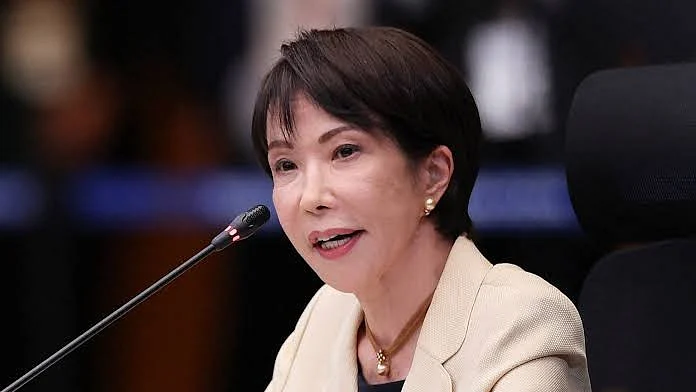
Prime Minister Sanae Takaichi said the decision reflects a changing global security environment, while insisting Japan remains committed to its long-standing identity as a peace-oriented nation.
“In an increasingly severe security environment, no single country can protect its peace and security alone,” she said, adding that stricter oversight would be applied to all defence transfers.
Chief Cabinet Secretary Minoru Kihara described the policy change as necessary to strengthen Japan’s security and contribute to regional stability.
Despite the shift, Tokyo has maintained its formal ban on exporting weapons to countries actively involved in conflict, though officials indicated that exceptions could be considered under “special circumstances”.
The announcement has drawn criticism from China, which warned it was “seriously concerned” about what it called Japan’s “reckless militarisation”. Beijing said it would remain vigilant and firmly opposed to the move.
The policy revision comes as Japan deepens its defence cooperation with allies, including participation in joint military exercises with the US and the Philippines. Notably, Japan’s Self-Defence Forces are taking part as active participants rather than observers for the first time.
Japan’s evolving defence posture reflects broader geopolitical tensions in the region, particularly over Taiwan, which China claims as its territory and has not ruled out taking by force.
The country’s pacifist stance has its roots in its 1947 constitution, adopted after the Second World War, which renounces war and limits military capabilities to self-defence. However, successive governments have gradually reinterpreted these constraints.
Former prime ministers Shinzo Abe and Fumio Kishida both eased export rules in recent years, allowing joint development of military equipment and limited sales of lethal weapons.
Supporters of the latest move argue that Japan must adapt to a rapidly changing security landscape shaped by the rise of China and ongoing threats from North Korea and Russia. They also point to the need to strengthen the domestic defence industry and reduce reliance on foreign suppliers.
However, critics warn that expanding arms exports risks undermining Japan’s pacifist principles and could draw the country into international conflicts. Public opposition has already surfaced, with demonstrators gathering outside the prime minister’s office in Tokyo to protest against the policy change.
The government maintains that the revised framework will enhance both national security and international stability, while enabling Japan to play a more active role in global defence cooperation.
With PTI inputs
Join our official telegram channel (@nationalherald) and stay updated with the latest headlines