


Trump’s Pearl Harbor remark on Iran war sparks unease in Japan
Comment during summit with PM Takaichi draws criticism, revives wartime sensitivities
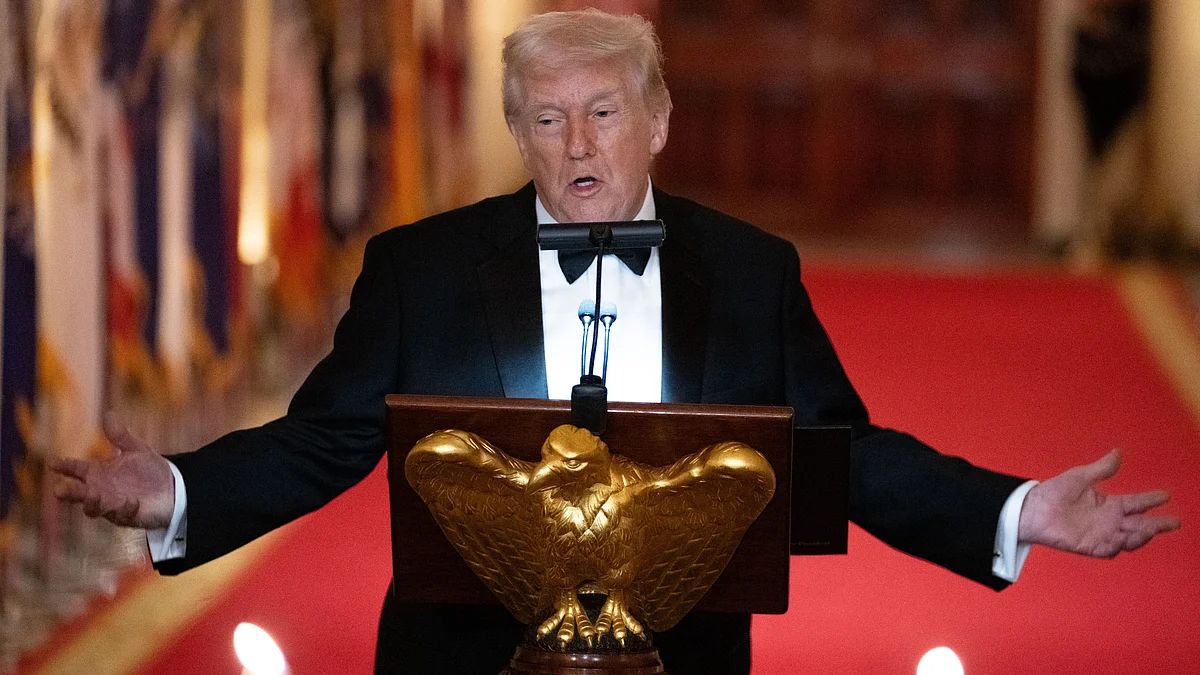


US President Donald Trump’s reference to the 1941 Pearl Harbor attack to justify secrecy around strikes on Iran has triggered embarrassment and unease in Japan, with political leaders, analysts and media questioning the remark’s implications.
Trump made the comment during a press interaction alongside Japanese Prime Minister Sanae Takaichi, when asked why Washington had not informed allies in advance of the Iran strikes.
“Who knows better about surprise than Japan? Why didn’t you tell me about Pearl Harbor?” Trump said, defending the lack of prior consultation.
The remark drew criticism in Japan, where references to World War II remain politically sensitive even eight decades after the conflict.
Political and public reaction
Japanese media and analysts described the comment as inappropriate. The Asahi Shimbun said such remarks “should not be overlooked”, calling them “nonsense that ignores lessons from history”.
Social media reactions ranged from accusations of insensitivity to concerns that the US president did not view Japan as an equal partner.
Tsuneo Watanabe of the Sasakawa Peace Foundation said the comment suggested Trump was “not bound by existing American common sense” and may have been intended to justify US actions in Iran.
Diplomatic balancing
The reaction was tempered by the strategic importance of US-Japan ties. Japan hosts around 50,000 US troops and depends on the US security umbrella, while Washington relies on Tokyo as a key ally in the Indo-Pacific.
Analysts said this dynamic partly explains the restrained official response.
Prime Minister Takaichi did not respond publicly during the exchange, a move that drew mixed reactions domestically. Some praised her for avoiding escalation, while others criticised her for not pushing back.
Former diplomat Hitoshi Tanaka said leaders should engage as equals and avoid appearing deferential.
The Pearl Harbor attack, carried out by Japan in 1941, remains a deeply sensitive issue in bilateral relations, with both sides generally avoiding casual references.
Observers noted that US-Japan reconciliation has traditionally been handled with caution, citing joint commemorations by former leaders Barack Obama and Shinzo Abe as examples of diplomatic sensitivity.
Broader context
The remark came amid heightened tensions over the US-led strikes on Iran and efforts to secure allied support for operations linked to the Strait of Hormuz.
A Japanese journalist who raised the question said he intended to reflect domestic concerns over being drawn into the conflict, but described Trump’s response as “awkward”.
Japan’s post-war pacifist constitution restricts the use of force to self-defence, though debates over expanding military roles have intensified in recent years.
Analysts said the episode highlights how historical memory continues to shape diplomatic discourse, particularly during periods of geopolitical tension.
Join our official telegram channel (@nationalherald) and stay updated with the latest headlines