


Japan slowly returns to nuclear power 15 years after Fukushima disaster
Young engineers, energy security concerns drive renewed support for nuclear
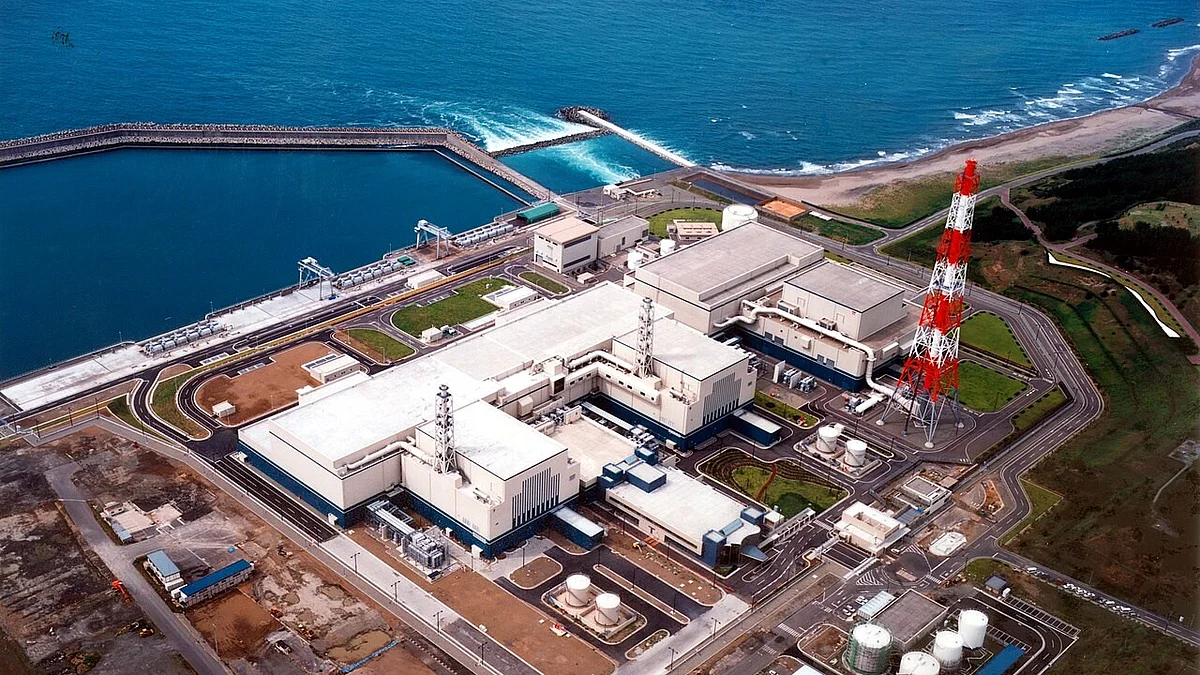


Fifteen years after the Fukushima nuclear disaster shook public confidence in atomic energy, Japan is gradually shifting back toward nuclear power, driven by energy security concerns, rising electricity demand and a younger generation more open to the technology.
Before the Fukushima disaster, resource-poor Japan was one of the world’s strongest supporters of nuclear power. The country operated 54 reactors, which supplied about 30 per cent of its electricity.
However, the 2011 disaster — the world’s worst nuclear accident since the Chornobyl disaster in 1986 — dramatically altered public opinion. All nuclear reactors in Japan were shut down for safety inspections and upgrades.
In 2012, the government decided to phase out nuclear power entirely, though that policy was reversed two years later.
Even so, reactor restarts have progressed slowly. Several reactors have been permanently retired, and only 15 of the 33 reactors still considered operable are currently back online.
Pro-nuclear push from Tokyo
Japan’s government is now pushing to accelerate the restart of reactors and invest in new nuclear technologies.
Prime Minister Sanae Takaichi, who strongly supports nuclear power, has argued that it is essential to reduce Japan’s dependence on expensive imported fossil fuels.
The restart of one reactor at the Kashiwazaki-Kariwa nuclear plant in January marked an important step. The facility is the largest nuclear power station in the world.
Recent geopolitical developments have also strengthened the argument for nuclear energy. The conflict in the Middle East — a region that supplies around 95 per cent of Japan’s oil — has raised concerns about the security of energy imports.
In addition, the rapid expansion of artificial intelligence data centres, which require vast amounts of electricity, is expected to significantly increase future power demand.
Public attitudes slowly changing
Public opinion on nuclear energy has gradually softened.
A survey by the Asahi newspaper last month found that 51 per cent of respondents support restarting reactors, compared with 28 per cent in 2013 when polling on the issue began.
Support is strongest among younger Japanese. About 66 per cent of people aged 18 to 29 said they favour reactor restarts.
Technical schools and universities are also receiving government funding to train engineers in nuclear power generation, regulation and decommissioning.
However, Japan still faces a shortage of new specialists entering the field.
Only 177 students enrolled in nuclear-related courses in 2024, compared with 317 students before the Fukushima disaster and a peak of 673 in the early 1990s.
Memories of the crisis
For those who experienced the disaster firsthand, the memories remain vivid.
Seiji Inada, now a consultant with FGS Global, was part of the government’s crisis response team in 2011. He spent days in an underground command centre beneath the prime minister’s office in Tokyo coordinating the emergency response.
He recalls watching in shock as footage showed explosions at a reactor building.
Around 150,000 residents living near the Fukushima plant were evacuated. Many never returned to their homes.
During the crisis, authorities even assessed the possibility that a radioactive plume could reach Tokyo, one of the world’s largest cities.
“I remember during my short lunch break, I called my dad and told him: ‘I can't tell you any details, but prepare for the worst case scenario,’” Inada said.
A government inquiry later concluded that the disaster was largely “man-made,” blaming plant operator Tokyo Electric Power Company (TEPCO), regulators and the government for failing to establish adequate safety protocols.
Safer reactors and industry revival
Nuclear industry veteran Keiji Matsunaga, who works for Toshiba, says the industry has absorbed many lessons from Fukushima.
Since the disaster, engineers have redesigned reactors with enhanced safety features.
For example, reactor buildings in future plants would be built with reinforced steel and concrete roofs capable of withstanding aircraft impacts.
New designs would also rely on natural circulation cooling systems that can operate even if mechanical cooling systems fail, preventing overheating and potential meltdowns.
“These measures can help prevent events like Fukushima,” Matsunaga said.
The gradual restart of reactors is also reviving the business prospects of Japan’s nuclear engineering companies.
Young engineers, energy security concerns drive renewed support for nuclear
For students like Hashimoto, the industry’s revival offers both opportunity and responsibility.
Although he regularly encounters anti-nuclear protesters near his train station on the way to college, he believes nuclear power can play a role if properly managed.
“What matters is using nuclear power properly, having measures in place in case something happens, and developing technology to make sure accidents don't occur,” he said.
Join our official telegram channel (@nationalherald) and stay updated with the latest headlines