


Lebanon, Israel hold first direct talks in four decades amid rising tensions
Rare cross-border engagement seeks to steady volatile frontier after weeks of deadly strikes
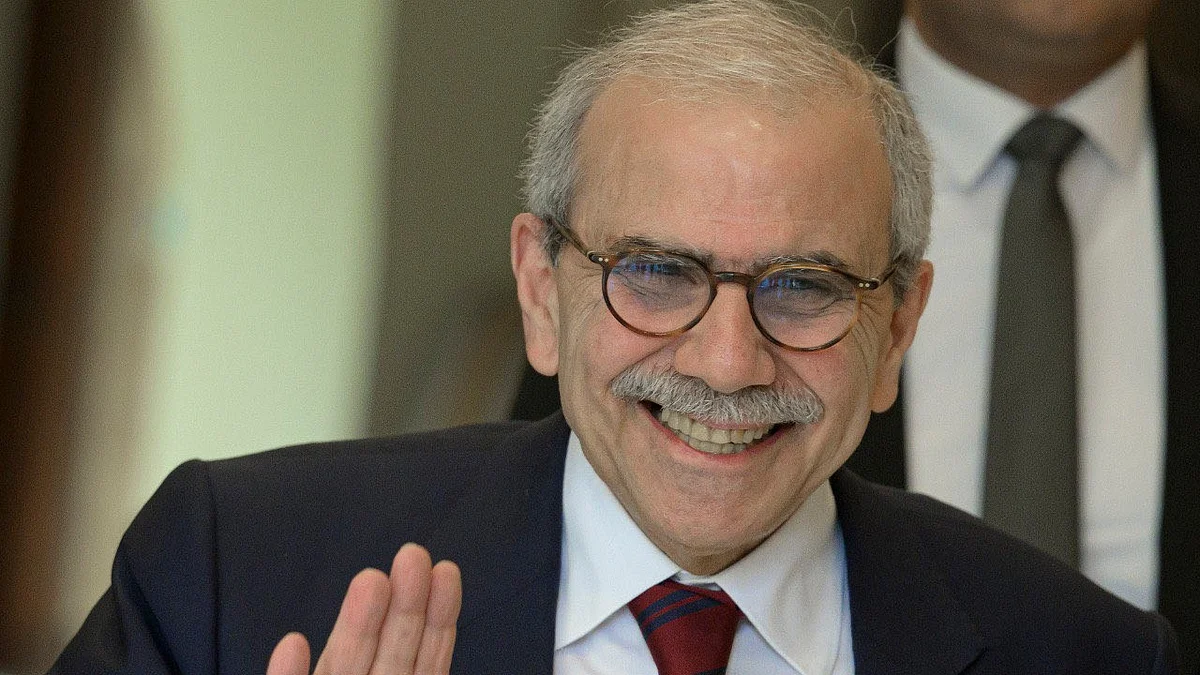


Civilian representatives from Lebanon and Israel have taken part in their first direct meeting in more than 40 years, joining a US-chaired ceasefire monitoring committee in Naqoura as fears grow of renewed conflict along the frontier. The three-hour session, held along the UN-demarcated Blue Line, marked an unusually open channel of communication between two states still technically at war.
Lebanese Prime Minister Nawaf Salam was quoted by Al Jazeera as saying that Beirut was prepared to engage in discussions beyond military matters but insisted the gathering was not a step towards peace or normalisation. He said the talks were restricted to achieving a cessation of hostilities, securing the release of Lebanese detainees, and ensuring a full Israeli withdrawal from Lebanese territory.
Reaffirming Lebanon’s commitment to the 2002 Arab Peace Initiative, Salam stressed his government would not pursue a separate deal with Israel and remained guided by a regional framework that conditions normalisation on Israel’s withdrawal from land it occupied in 1967.
Salam argued that the inclusion of civilian envoys could help defuse tensions at a moment when Israeli air strikes on Lebanese territory have intensified.
A statement issued after the meeting welcomed their presence as an “important step” in anchoring the process in longer-term political and military dialogue, expressing hope that the forum could help “nurture peace” along a border that has seen repeated flare-ups despite the 2024 ceasefire between Israel and Hezbollah.
Washington has been pushing both sides for months to broaden the committee’s scope, warning of a serious risk of escalation following Israeli strikes on Beirut last month.
Israel continues to conduct regular air operations in Lebanon, usually saying it is targeting Hezbollah infrastructure, while retaining troops in several areas in the south despite the ceasefire’s requirement for a complete withdrawal.
Israel’s government spokesperson, Shosh Bedrosian, described the meeting as “a historic development” and credited Prime Minister Benjamin Netanyahu’s efforts to reshape regional relations. Netanyahu later portrayed the participation of Simon Karam, Lebanon’s civilian representative and a former ambassador to Washington, as a potential first step towards economic and diplomatic engagement.
His comments prompted criticism within Lebanon, where some political figures accused the government of making concessions. Lebanon’s presidency said Karam’s selection followed consultations between the country’s top leadership.
Salam defended the decision as politically sound and nationally endorsed, accusing Netanyahu of exaggerating its significance and reiterating that Lebanon was not entering peace talks.
Israel sent the deputy head of the foreign policy division at its National Security Council to the meeting, framing the session as part of ongoing US-mediated dialogue.
Salam indicated that Lebanon was open to expanding the committee’s work to include verification of Israeli claims that Hezbollah is re-arming and to monitor the Lebanese army’s efforts to dismantle the group’s infrastructure.
Asked whether this could involve foreign troops, including US or French personnel, he said such an option was possible.
Hezbollah, which launched attacks on Israel in support of Palestinians in Gaza, faces mounting domestic and international pressure to disarm. The group argues that calls for it to hand over its weapons are a strategic trap intended to weaken Lebanon. Its deputy leader, Naim Qassem, recently insisted Hezbollah had the right to retaliate after the killing of a senior commander in an Israeli strike on Beirut’s southern suburbs. The movement has repeatedly rejected any negotiations with Israel, dismissing such efforts as a “trap”.
Salam said Beirut had received messages indicating the possibility of further escalation, though without specifics. He said regional envoys visiting Beirut in recent days believed the situation could worsen.
Arguing that Hezbollah’s weapons had neither deterred Israel nor protected Lebanon, he said the state must regain full authority over decisions of war and peace. Lebanon, he added, would “not allow adventures that drag us into another war”, saying the country must learn from its experience of supporting Gaza.
The Naqoura meeting, while limited in scope, represents a rare instance of direct engagement between Lebanon and Israel. Whether it can stabilise a fraught and increasingly volatile frontier remains uncertain.
Join our official telegram channel (@nationalherald) and stay updated with the latest headlines