


London Diary: A glimpse of communal harmony in colonial times
And the UK's self-goal in trying to appease the anti-immigration lobby
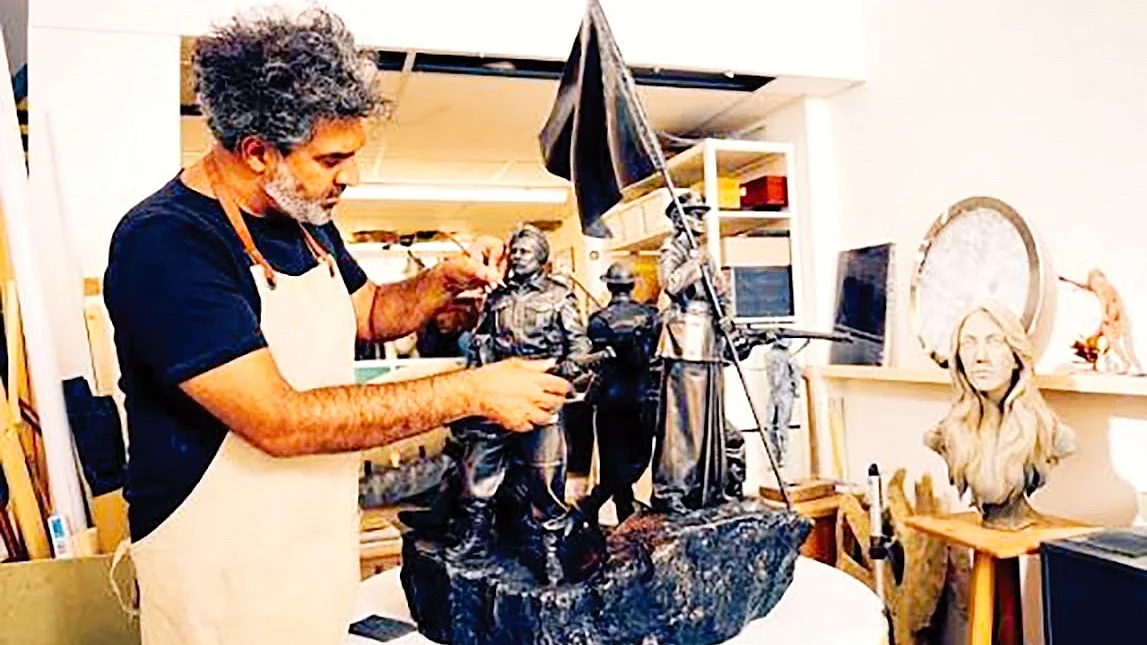


It’s a first. The Royal British Legion, Britain’s largest armed forces charity, has organised a touring exhibition highlighting the contribution of soldiers and other professionals from South Asia who fought in World War II.
An estimated 2.5 million soldiers — among them Sikhs, Hindus, Muslims, Christians and Gurkhas — took part in British India’s war effort; thousands died. But their role has largely been forgotten, and they barely merit a mention on Remembrance Day, the annual event that commemorates the sacrifices of veterans.
Organised in partnership with artist Mahtab Hussain, ‘The Forgotten Army: A Creative Response’ seeks to plug this gap. What emerges from the personal stories featured is the profile of an extraordinarily diverse and secular force.
Take, for example, the remarkable story of a Hindu soldier Vallabhdas Suchak who religiously observed the Ramzan fast to honour a promise he made to his dying Muslim brother-in-arms.
Vallabhdas’s granddaughter Nima Suchak shares what she discovered from the documents he left behind. “My grandad went to offer him some water. The soldier would not take it. He said, ‘No, I’m fasting. It’s Ramadan. I don’t want to break my fast.’ My grandad said, ‘Take the water, ease your pain.’ But the dying man wouldn’t. So Vallabhdas said: ‘Let me fast for you’.”
The soldier took the water. For the rest of his life, Suchak observed the fast during Ramzan. He died when Nima was 12. Despite growing up in the same house, she had only the haziest knowledge of her grandfather’s war service. “Remembrance Day would come and go, VE Day would come and go. It didn’t occur to us. My grandad never talked about it,” she told The Times.
The exhibition is full of such inspiring stories that offer an insight into community relations at the time.
****
UK scores a self-goal
One financially ruinous self-goal by the British government is its attempt to appease the anti-immigrant lobby by making it increasingly difficult for fee-paying international students to study in Britain.
The barriers, including restrictions on bringing in family members, have resulted in a sharp decline in the number of these proverbial ‘cash cows’, provoking backlash from perpetually cash-strapped universities.
Foreign students — a significantly large number from India — typically pay up to three times more than their British counterparts, contributing over £40.4 billion to the economy over the course of their studies.
Fees paid by them account for at least 40 per cent of the total income of ten universities. A Sunday Times investigation revealed that 55 universities collected £557 million less from international students in 2024-25 than two years earlier. Nearly 50 per cent of the universities have recorded a fall in income over the past year.
The number of international students peaked in 2022-23 at 758,865 after the introduction of a foreign student visa that allowed graduates to bring their families with them. After curbs on immigration, this figure dropped to 685,565 in 2024-25. The number of students from India has declined by 25 per cent and from China by 9 per cent.
To make up for the losses, many universities are compromising on admission standards to accommodate domestic students. The more desperate universities are for money, the worse the courses are getting. Several have cut staff, citing financial hardship.
All symbolic of a Britain going inexorably downhill.
****
Something for Indian MPs to chew on
Here’s something for the Indian Parliament to chew on as the British House of Commons — the model for our Sansad — sets out to modernise the language used by MPs, on the ground that it is out of date, and alienates the public.
Among the terms proposed to be scrapped are ‘Bill’ (used for a piece of legislation), ‘division’ (meaning a vote of MPs) and ‘early day motions’ where MPs can demonstrate their support to a particular cause.
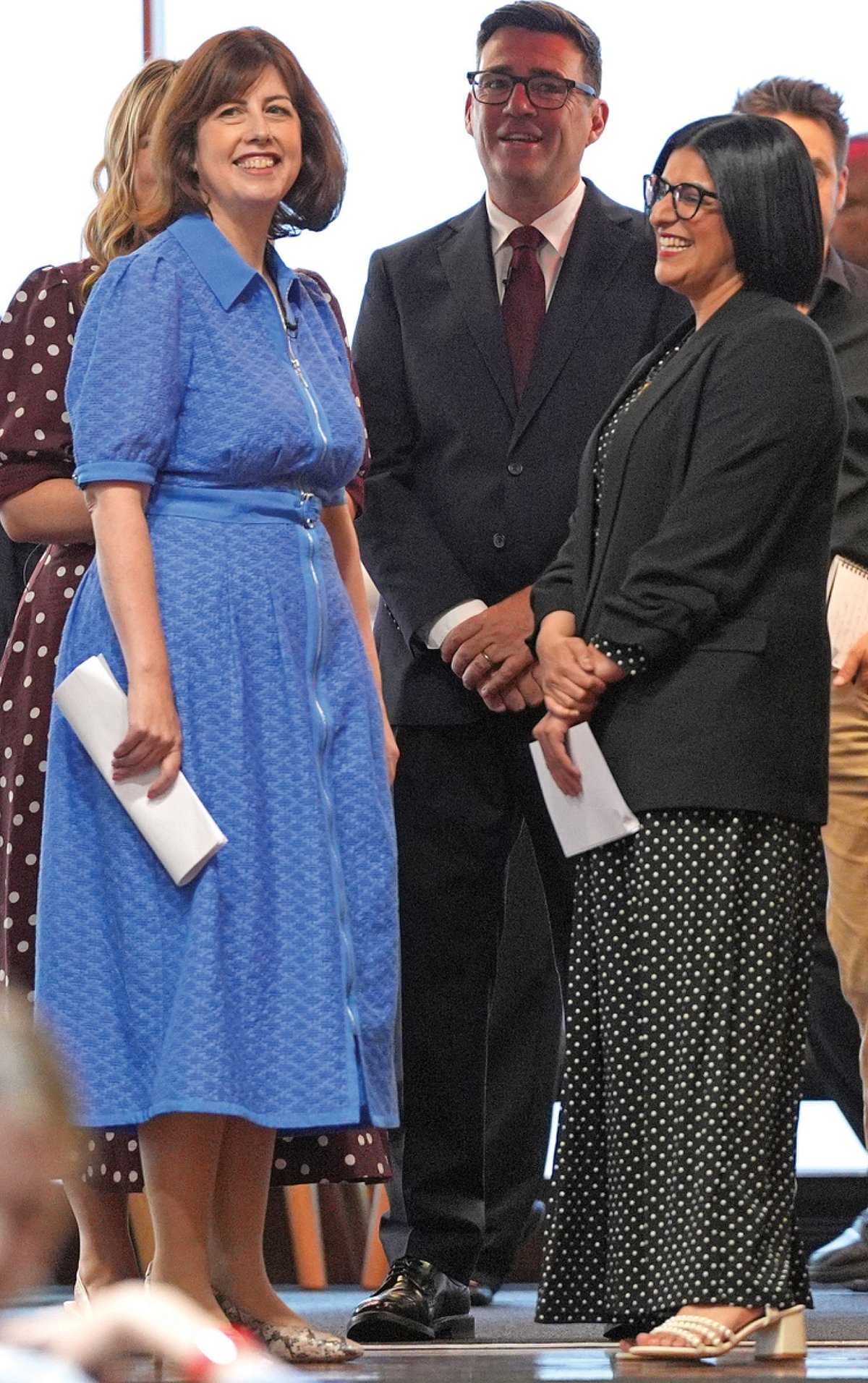
“I’m all for traditions, customs and pageantry. But we have to ask ourselves: which traditions serve a purpose in the modern age. People don’t even understand the term ‘Bill’, let alone all the myriad different versions of that Bill,” said Lucy Powell, deputy leader of the ruling Labour Party. Also set for the chop is the practice of members having to seek permission to speak by popping up from their seats to ‘catch the Speaker’s eye’. Disabled MPs find this particularly hard to do.
“Simple things like having more certainty about when you’re going to speak in a debate is really a no-brainer for a more inclusive House of Commons,” Powell said. Most of these terms and practices are also followed by the Indian Parliament. Will it take a cue from Britain and follow suit, especially now that everything is being ‘Indianised’?
And, lastly, what do Britons do when the conversation at work or a dinner party turns to the latest high-profile documentary or historical biopic they have not seen? A nationwide study reveals: most simply say they have. They lie, most likely, to avoid looking like the odd one out. Would be interesting to know how Indians react in similar situations.
Join our official telegram channel (@nationalherald) and stay updated with the latest headlines