


London Diary: Of Islamophobia and anti-Semitism…
Next time a Muslim in Britain is attacked for being a Muslim, the attacker will not be guilty of Islamophobia
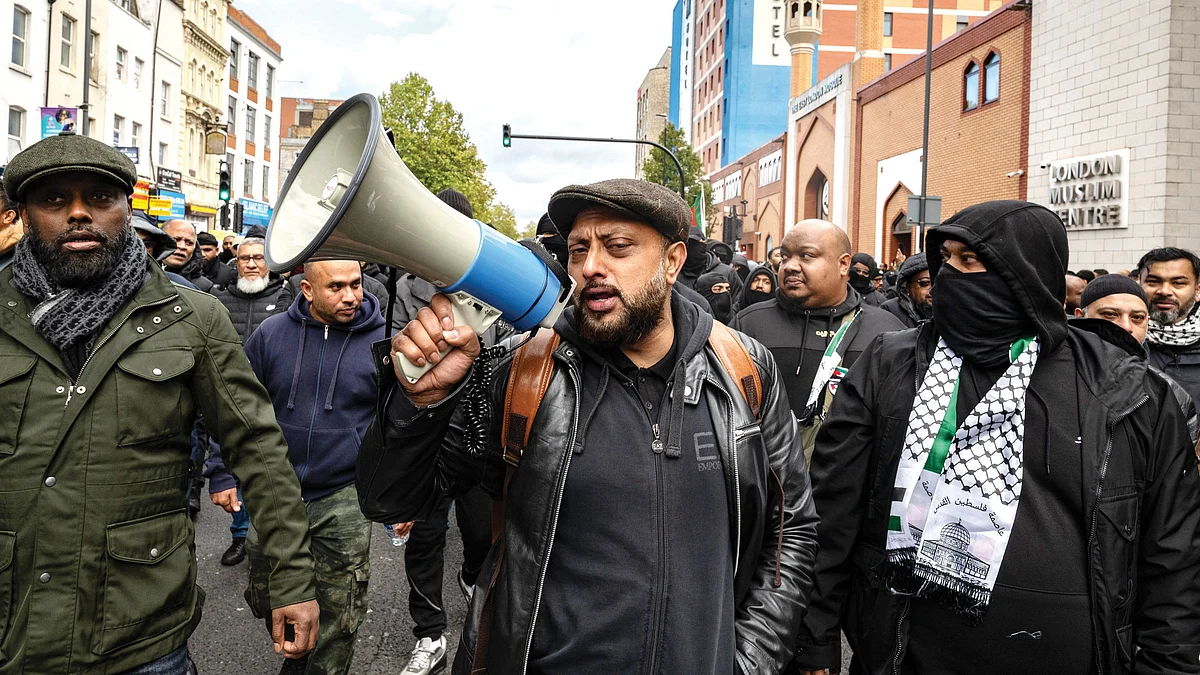


Next time a Muslim in Britain is attacked for being a Muslim, the attacker will not be guilty of Islamophobia — if a new official definition goes through. A draft circulated for consultation by the government does not use the word Islamophobia and instead proposes ‘anti-Muslim hostility’.
It follows concerns raised by free speech campaigners that using the term ‘Islamophobia’ would restrict their freedom to make any critical references to Islam, any or all of which would be regarded as an attack on Muslims.
The draft defines anti-Muslim hostility as ‘engaging in or encouraging criminal acts, including acts of violence, vandalism of property, and harassment and intimidation whether physical, verbal, written or electronically communicated, which is directed at Muslims or those perceived to be Muslims because of their religion, ethnicity or appearance’.
It also includes ‘prejudicial stereotyping of Muslims...to stir up hatred against them’.
Baroness Gohir, who sits on the working group which drafted it, said it achieved “the right balance by safeguarding individuals while avoiding overreach”. She claims it “recognises that Muslims are frequently targeted not only for their beliefs but also because of their appearance, race, ethnicity, or other characteristics. Including the element of racialisation validates these lived experiences.”
It recognises the right to free speech, including the right to criticise a faith, without being seen to be attacking its followers.
The definition will be non-statutory, meaning that it will not be legally binding, but will provide guidance to the government and other bodies on what constitutes unacceptable treatment of Muslims.
All good. But how about a similar definition of antisemitism so that any criticism of Israel’s genocidal policies in Gaza is not regarded as antisemitism?
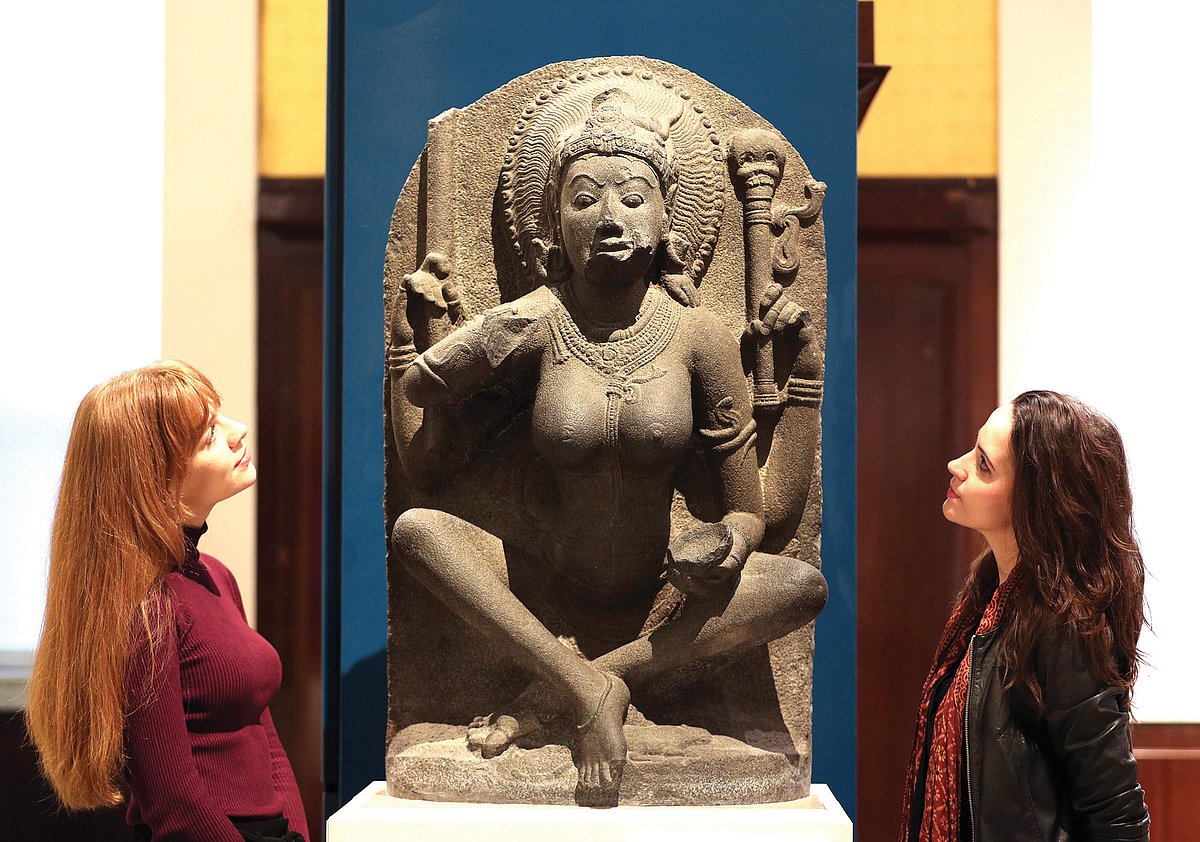
‘Decolonising’ collections or post-colonial ‘benevolence’?
The British Museum has decided to send several contested artefacts to India in an attempt to ‘decolonise’ its collection.
Media reports indicate that eighty rare objects will be transferred to Mumbai’s Chhatrapati Shivaji Maharaj Vastu Sangrahalaya (CSMVS) — earlier known as the Prince of Wales Museum — in recognition of India’s profound impact on civilisation. The exhibits include ancient Egyptian sculptures of a river boat and an ox, and Sumerian statues dating back to 2200 BC, the Daily Telegraph reported.
Museum director Nicholas Cullinan said he was offering the objects on a three-year loan to defuse long-term disputes over ownership of the artefacts.
“Cultural diplomacy, that’s what museums should do. We think that this model that we are developing is a very positive one, and is very innovative,” he told the paper.
The British Museum, which contains hundreds of artefacts that were stolen by occupying troops under the British Empire, is prevented by a 1963 law from permanently removing them from its collections. The museum states that it is “open to discussions”, but several requests to restore treasures to their countries of origin have been rejected.
India has been seeking to bring back historical artefacts, including regalia belonging to Tipu Sultan and the Koh-i-noor diamond. Sabyasachi Mukherjee, the director-general of CSMVS, was reported saying that the move would help to “correct colonial misinterpretations” of India.
Not quite sure how.
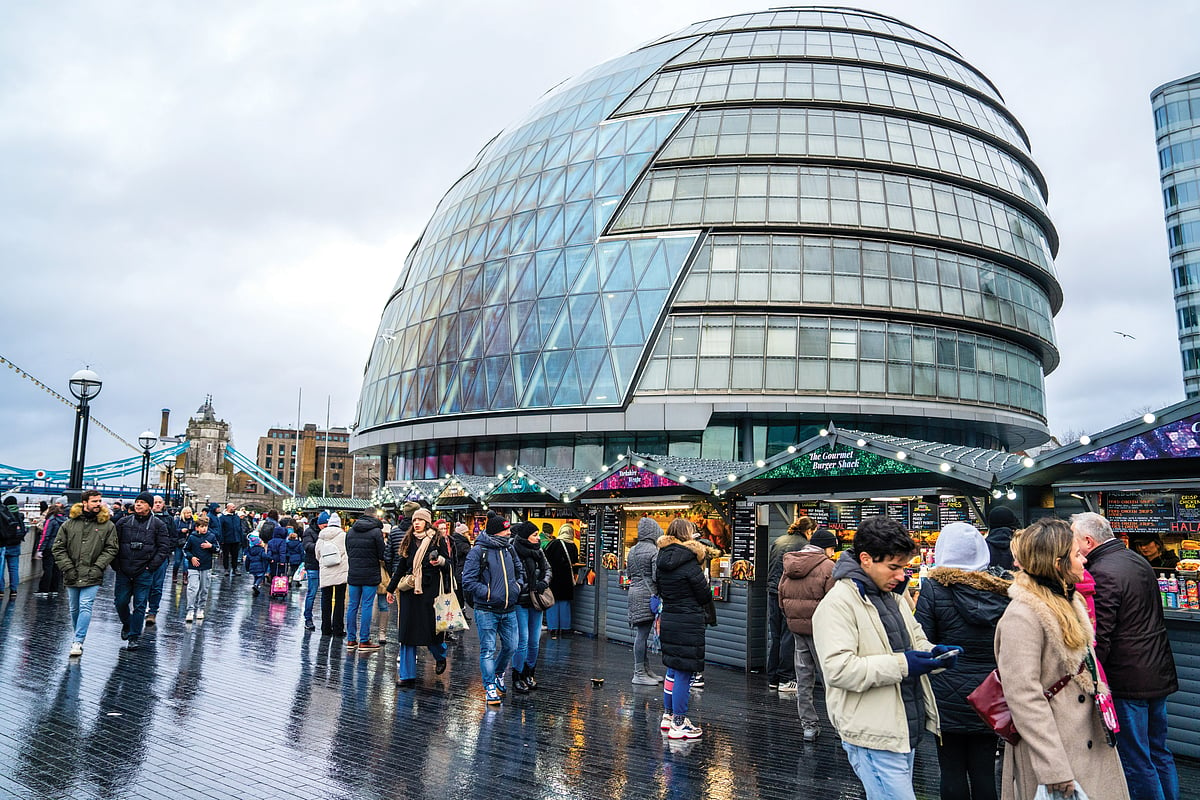
All roads lead West, says global poll
For all its myriad sins — racism, Islamophobia, the colonial mindset — the West continues to be the most favourite destination for people, according to a world-wide Gallup poll.
It put a question to people in 140 countries across West Asia, sub-Saharan Africa, South America and Asia — spanning religious groups, ethnicities and cultural traditions — “If you could live anywhere in the world, where would it be?”
And pat came the answer: Western liberal democracies with London, New York, Vancouver and Paris among the most preferred cities.
This poll is conducted every year; notably, the same nations top the list year after year. The trend is confirmed by other similar polls such as the World Values Survey and the Ipsos Global Trends poll.
“These are not just the hypothetical wishes of the world’s population; they are corroborated by what economists call ‘revealed preference’,” wrote Sunday Times columnist Mathew Syed, himself the son of a Pakistani immigrant who later converted to Christianity.
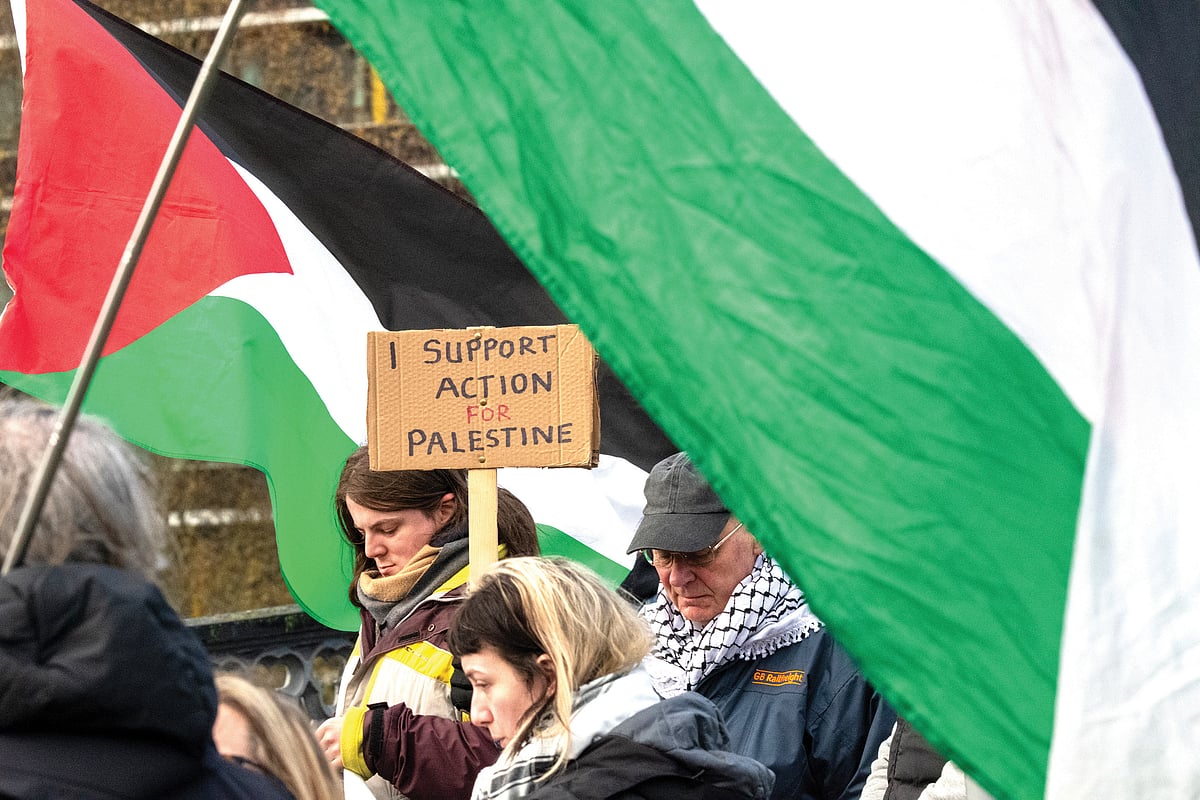
New crackdown on Palestinian protesters
The British government has announced a fresh crackdown on Palestinian protesters in the wake of the terror attack on a Jewish congregation in Australia’s Bondi beach. Among those killed was a rabbi from Britain.
The proposed crackdown will allow the police to arrest pro-Palestinian protesters found chanting slogans glorifying the ‘intifada’, confirmed Scotland Yard chief Sir Mark Rowley.
‘Intifada’ refers to Palestinian uprisings against Israeli occupation of the West Bank and Gaza. Some interpret the slogan ‘Globalise the intifada’ and other variations as a call for violence against the Jews. Rowley said: “The words and chants used, especially in protests, matter and have real-world consequences.”
Right.
And, finally, there’s a new term for alcohol-free beer and white wine no stronger than 9 per cent: ‘low-alcohol botanicals’. Happy New Year, cheers.
Join our official telegram channel (@nationalherald) and stay updated with the latest headlines