


London Diary: The British Museum’s ‘decolonisation’ decoy
A museum 'con job', British Council's dire straits, and Indians being Indians
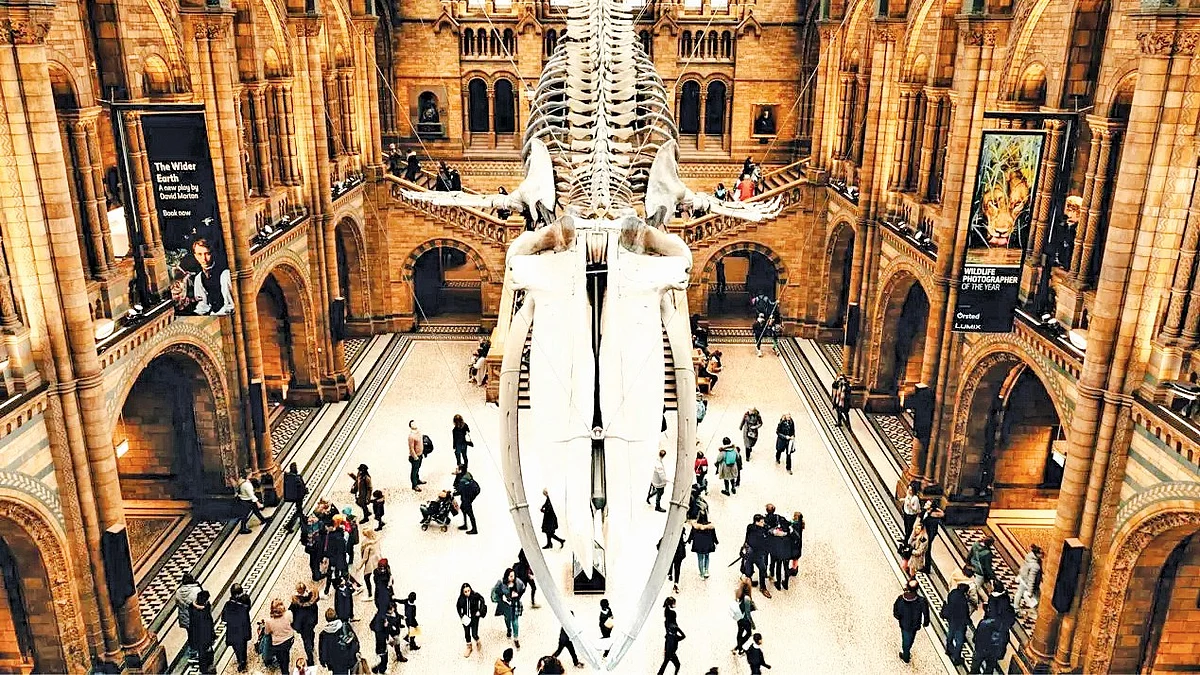


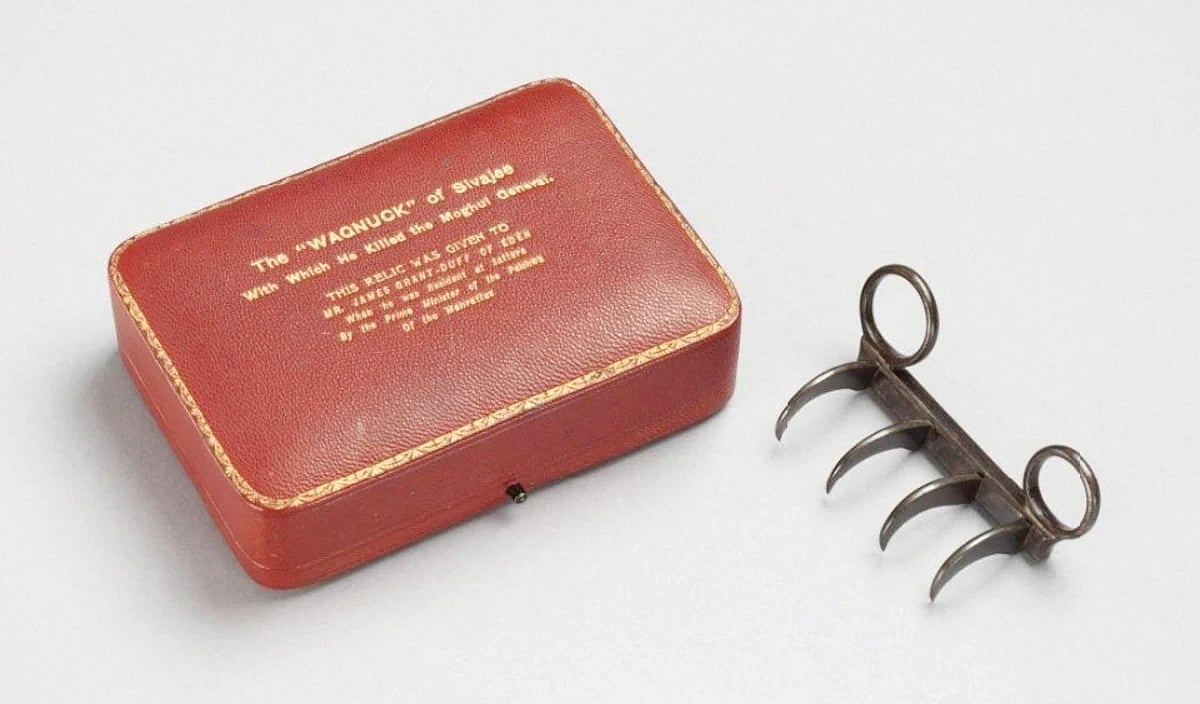
The British Museum’s attempt to frame its decision to ‘share’ a few colonial-era artefacts with the Chhatrapati Shivaji Maharaj Vastu Sangrahalaya (CSMVS) in Mumbai as a move to ‘decolonise’ its collection has been ridiculed by art historians as a ‘con’. There’s only one way to show contrition: return the stolen goods.
Dan Hicks, professor of Contemporary Archaeology at Oxford University, described it as an attempt to “distract from restitution demands”. Calling it “cultural usury”, he said it was “time to return stolen art and culture and build new equitable relationships” with former colonies.
Christine Edge of Sotheby’s Institute of Art, Cambodia, said: “You cannot share something you stole. Either give it back, or keep it. You are the ones who stole it, sharing is off the table at this point: unless you give it back, and whatever country you stole it from decides to share it with you.”
Announced with much fanfare, museum director Nicholas Cullinan had called the three-year loan of ‘contested’ objects a positive form of “cultural diplomacy”. Sabyasachi Mukherjee, director-general of the CSMVS, had welcomed the move, saying that it would help us to “emerge with dignity” from years of colonisation.
Meanwhile, hundreds of purloined items remain in the British Museum, and India’s ‘nationalist’ government remains conspicuously silent.
****
Citizenship alone doth not a ‘true’ Brit make
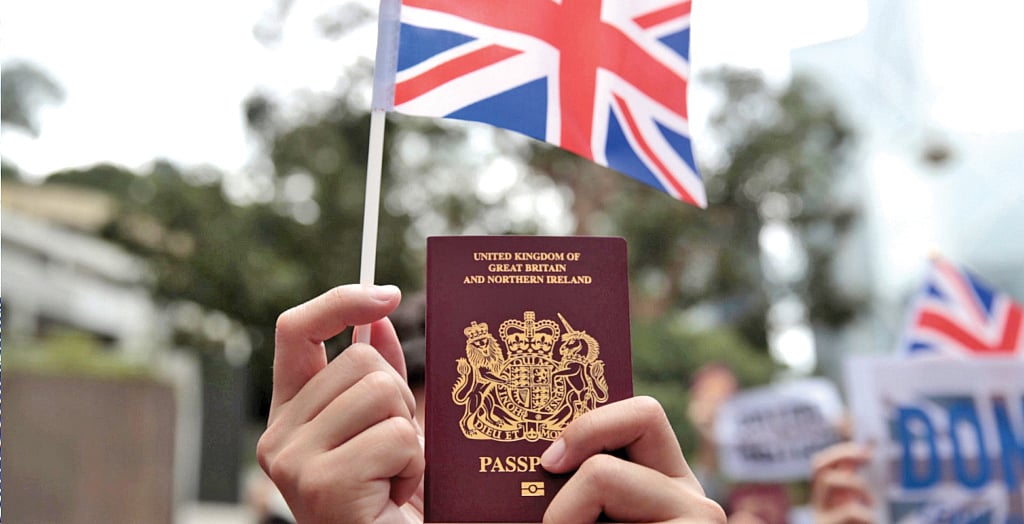
British citizenship is no longer enough to be seen as a ‘true’ Brit. You must be born here to claim that privilege, according to a growing number of, well, true Brits.
A survey found that the proportion of people who hold this view has almost doubled in the past two years. Research by the Institute for Public Policy Research (IPPR) shows that the number of people who think so has risen from 19 per cent in 2023 to 36 per cent in 2025.
The shift was found to be most pronounced among those intending to vote for the right-wing Reform UK party led by Nigel Farage who is hoping to win the next general election on the back of his anti-immigration agenda. As many as 71 per cent of Reform supporters surveyed thought it was important to have British ancestry as a condition of ‘Britishness’.
Thankfully, however, a majority of Brits still believe ‘Britishness’ is based on shared values rather than ethnicity.
Asked to choose up to five qualities that make a good British citizen from a range of options, the most popular response (64 per cent) was: obeying the law.
****
Beating the ban on sex-selective abortions
Indian expats have been using a legal loophole to beat the ban on sex-selective abortions in the UK. A report that pregnancies in Britain’s Indian community are frequently terminated solely because scans identify the foetus as female has provoked fury among feminists.
Official statistics show that, between 2017 and 2021, birth ratios were balanced for the first two children among British women of Indian origin, but skewed to 113 boys for every 100 girls for the third child. A third female child is still seen as a financial burden in Indian and South Asian families because of dowry.
While sex-selective abortion is illegal in England and Wales, it is not specifically prohibited under the Abortion Act: a loophole that is often exploited. Women’s groups are calling for the law to be tightened.
****
Is this the beginning of the end?
British Council, once the most famous symbol of Britain’s soft power after the BBC, is struggling to survive because of a serious financial crisis.
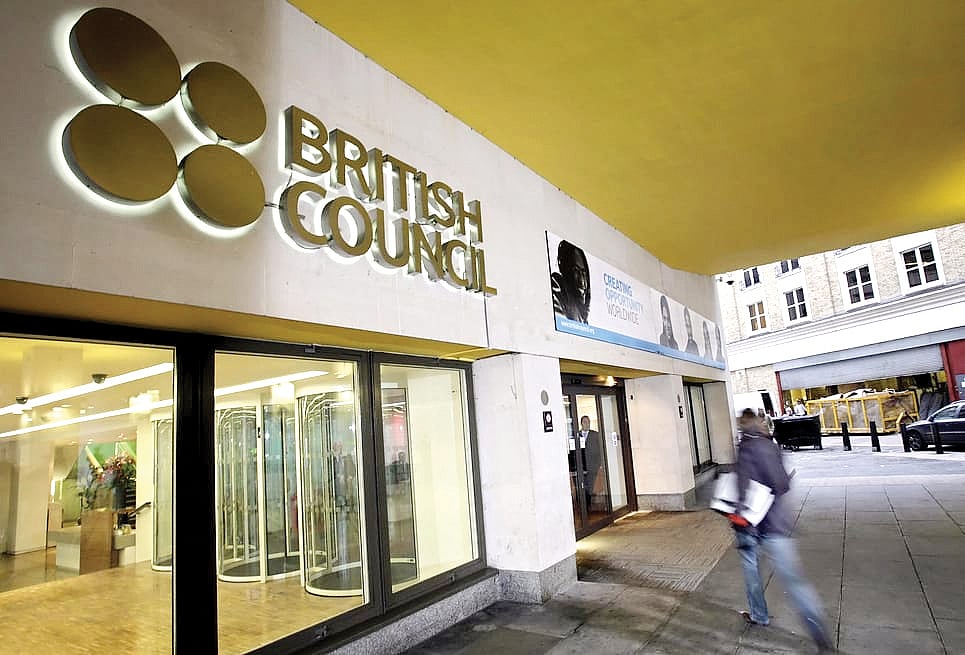
According to its chief executive Scott McDonald, it is in real “financial peril” and is being forced to sell off many of its valuable assets. In an SOS to the government seeking a bailout, he said: “We are now selling everything the British Council has that we are able to sell. We don’t have anything else.” If the government truly valued Britain’s soft power, it would fund the Council; otherwise, McDonald said, “we can get to work shrinking further”.
The organisation, he pointed out, was in the midst of a “second round of restructuring to cut costs” with “close to no progress”. Massive job cuts have already happened, with more afoot, while assets worth about £90 million, including buildings, are due to be sold in the new year.
The Council also proposed to close operations in 35 countries, McDonald said, without naming which ones. Is this, then, the beginning of the end for the 91-year-old organisation? Is the sun finally setting on one of the last vestiges of the Raj?
****
And, finally, don’t ever try to correct the boss’ grammar or spelling mistakes.
Andy Jones, a volunteer with Britain’s National Trust (which looks after historical sites) has been sacked after he alerted the management to a multitude of spelling and factual errors in its published material. The howlers that Jones pointed out included ‘toliet’, ‘take a peak’ and ‘permanant’.
Time to get a proofreader, eh what?
Join our official telegram channel (@nationalherald) and stay updated with the latest headlines