


London Diary: West Asian politics fuelling Muslim-Jew polarisation
Of Islamophobia, antisemitism, and the battle to stay on in Britain
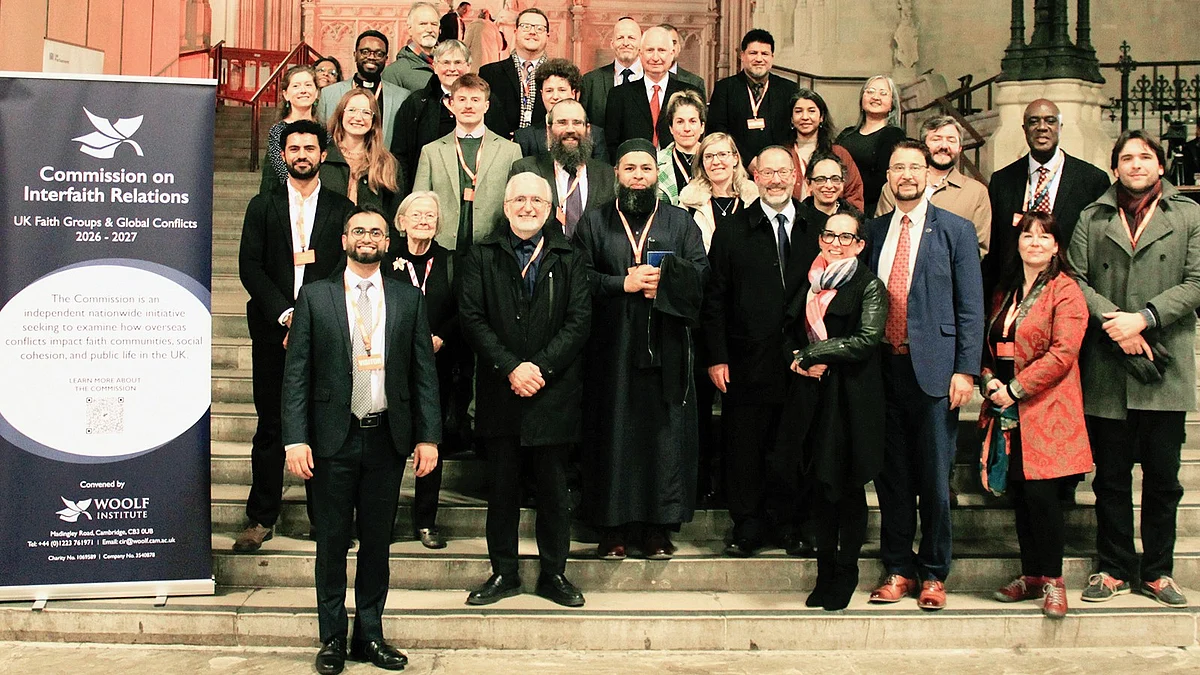


There’s a standing joke that when West Asia sneezes, Britain’s Jewish and Muslim groups catch a cold, triggering allegations and counter allegations of antisemitism and Islamophobia.
Even as the government is under pressure from Muslims to come up with an official definition of Islamophobia (a move seen by critics as ‘blasphemy through the backdoor’), Jews have stepped up their campaign seeking action against the ‘normalisation’ of antisemitism.
They say they no longer feel safe in Britain — facing abuse not only from Muslims but also from significant sections of Brits in general.
One in five university students in Britain are reluctant to share a house with a Jewish student, claims a new report from the Union of Jewish Students (UJS). It warns that antisemitism has become ‘normalised’ on campuses with Jewish students facing physical and verbal abuse and social ostracisation.
At the same time, Muslims have reported a significant surge in Islamophobia, particularly the targeting of women and girls wearing the hijab. “Rising polarisation has been acutely felt on university campuses in the UK,” said Louis Danker, president of UJS.
This has prompted the government to announce new measures to support universities in keeping students safe from extremism, harassment and intimidation on campus.
A virtual civil war over new residency rules
A virtual civil war has broken out in the ruling Labour Party over a proposal by home secretary Shabana Mahmood — the party’s ‘star’ performer and right-wing darling — to make it harder for legal migrants to gain permanent residency.
She proposes doubling the qualifying period for permission to stay in Britain indefinitely from five to ten years and, most controversially, applying the change retrospectively to those already in Britain under the old system.
The move has split the party down the middle between left and right wings. The opposition is led by former deputy prime minister and fiery rebel Angela Rayner who says the move is “un-British” and “a breach of trust” for hardworking migrant families.
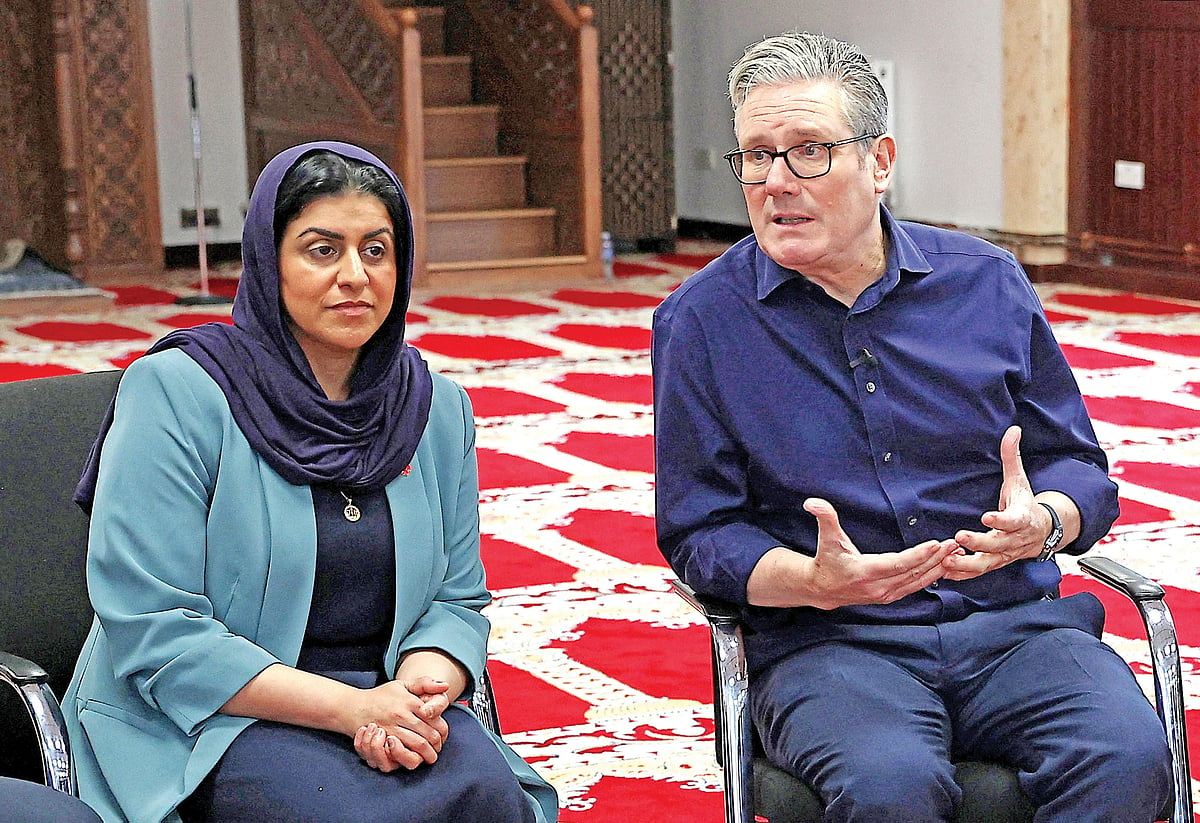
Rayner accused Prime Minister Keir Starmer and Mahmood of “moving the goalposts” for those migrants who arrived in the UK legally and now face an uncertain future. “Enforcing a fair deal is not the same as ripping up a deal halfway through,” she said, while acknowledging the government’s frustration over illegal migration.
“Many people came here to Britain on the understanding that if they’ve worked in the sectors where we needed them, obeyed the law and paid their taxes, they could stay. If we suddenly change that, it pulls the rug from under those who have planned their lives and commitments and are contributing to our economy and to our society. That would not just be bad policy, but a breach of trust.”
Mahmood, herself a child of Pakistani immigrants, has sought to justify the change on the ground that it would ease a “£10 billion drain on our public finances” due to demand for housing and healthcare.
While she’s right about the economic cost of illegal immigration, she’s wrong to apply the new rules retrospectively. It’s not only unfair but undermines Britain’s credibility.
No outside interference please, we’re Brits
Concerns over outside interference in British politics have led the government to propose a ban on foreign donations to political parties in Britain unless the donors make enough money here.
Although direct foreign donations to UK political parties are illegal, loopholes allow foreign donations through UK-registered companies. The government wants to plug this loophole.
New laws will mean that a company will have to be based in the UK and registered on the electoral roll to be able to make political donations.
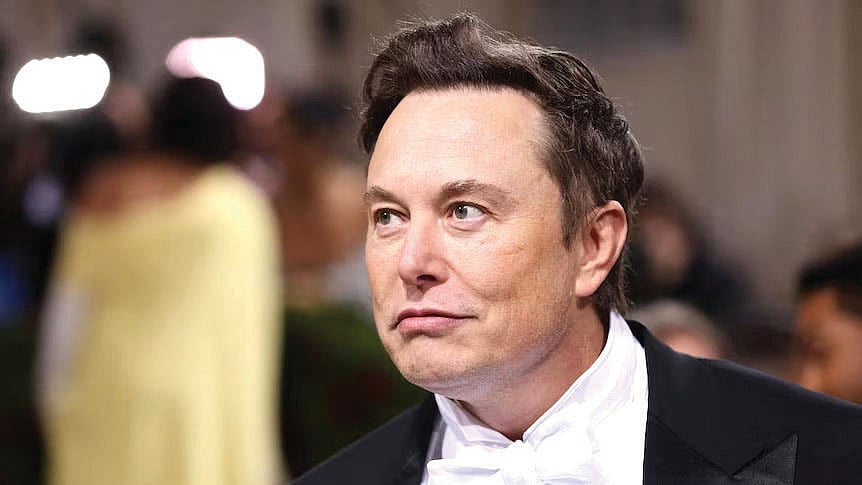
It would make it more difficult for foreign billionaires like Elon Musk to influence British politics. The government claims that it would “usher in a new era for our democracy — one that protects against foreign interference and empowers young people,” as one minister put it.
Transparency campaigners, however, warned that the changes were “not sufficient to deal with risks of corruption, foreign interference and undue influence in British politics”.
While both Conservatives and Labour parties have traditionally received foreign donations, the proposed change has been prompted by concerns over foreign-linked donations to the right-wing populist Reform UK party led by Nigel Farage of Brexit fame whose racist agenda and proximity to controversial MAGA figures threaten Britain’s largely centrist polity.
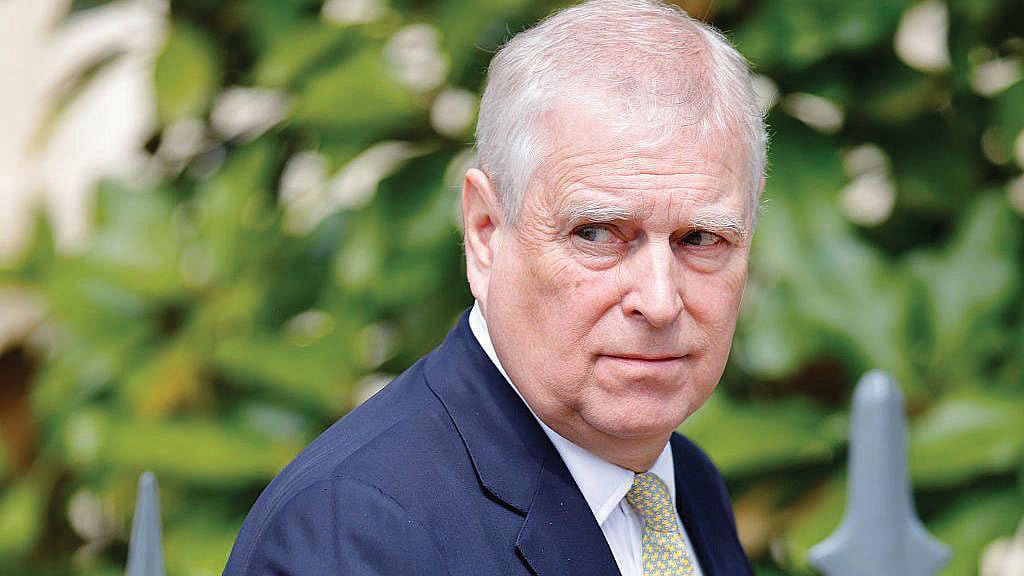
Andrew Mountbatten-Windsor who?
In a historic first, London Times decided not to mark the birthday of a member of the royal family in its ‘Birthdays Today’ column: namely, Andrew Mountbatten-Windsor.
In a note to readers, it said: ‘Eagle-eyed readers might notice an absence from our latest Birthdays Today column a man called
Andrew, who has turned 66. He’s been stripped of his “Royal Highness’” style, lost the titles of Prince and Duke, kissed goodbye to his other honours and been kicked out of his home... We have acted because it would be wrong for the custodians of the most celebrated collection of personal milestones to ignore facts when one has so seriously fallen in public esteem. But also, frankly, his surname takes up too much space.’
And finally, bestselling spy thriller writer Len Deighton, who passed away on 15 March at the age of 97, had a rather optimistic view of ageing. He reportedly told a friend: “The first 80 years are tough. Life gets better after that.”
Join our official telegram channel (@nationalherald) and stay updated with the latest headlines