


London Diary: Will PM Burnham survive UK's revolving door politics?
Also, Britain's iconic V&A Museum at the centre of a race row
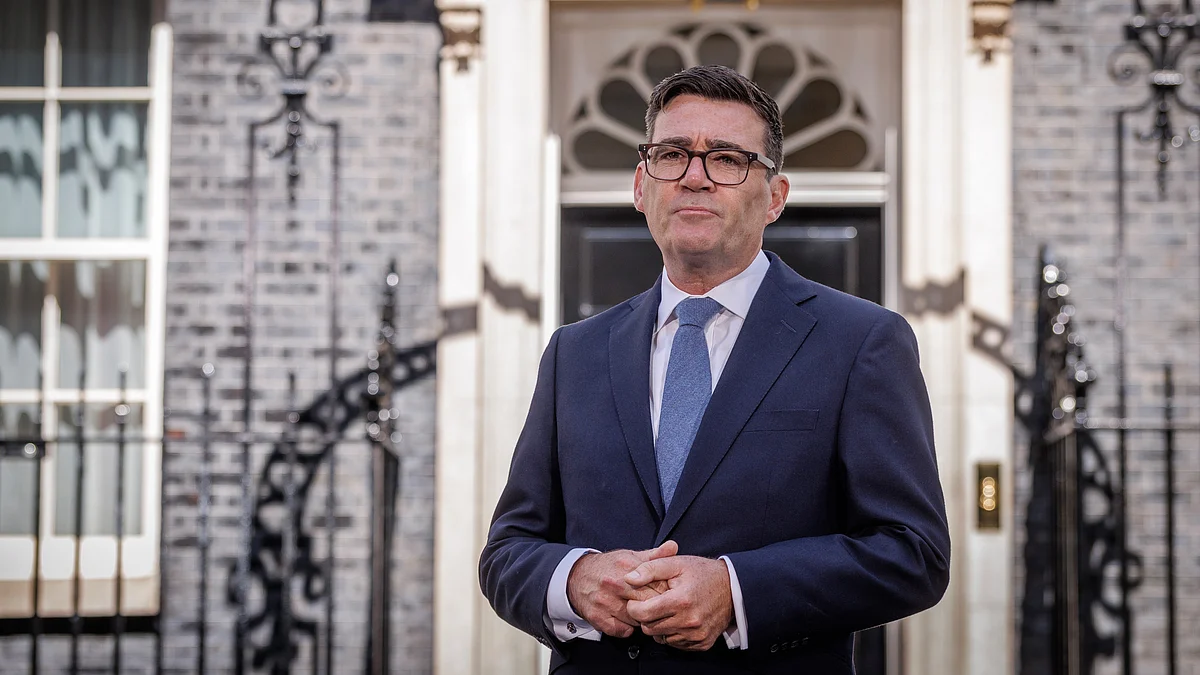


The arrival of Britain’s seventh prime minister in 10 years has prompted comparisons with other European countries. And Britain, it seems, is an odd man out — beating even Italy, once notoriously famous for its revolving doors politics.
Since 2016, Britain has had a higher turnover of prime ministers than any other major G7 European country, including France, Italy and Germany. Of all the European Union (EU) countries, only Bulgaria and Austria have gone through more leaders than the UK in the past decade. Twelve of them have had just one new leader during the same period.
French President Emmanuel Macron has worked with five British prime ministers since 2017. Spain has had the same prime minister, Pedro Sánchez, for eight years. Even Italians have changed their leaders 'only' four times.
Another feature of Britain’s increasingly unstable politics is that most prime ministers in the past decade have not been democratically elected but came to power through internal party leadership coup.
When Keir Starmer entered Downing Street two years ago, he promised to “end the era of noisy performance” — only to himself become one of its casualties.
But it was not always like this. There was a time when British politics was almost boringly stable — Margaret Thatcher was in power for 11 years, John Major six and Tony Blair 10, but since the 2016 Brexit referendum, no prime minister has completed a full term, with Boris Johnson lasting the longest at three years, 45 days.
Will Andy Burnham be able to beat the jinx?
****
A T-shirt revolution at No 10, but...
Burnham has plugged his informal style — more T-shirt than buttoned-suit-and-tie — as a sign of, in his words, “the biggest change” he has promised in British politics since the Thatcherite era.
But he’s embarrassingly old-fashioned in one respect. A letter he wrote to King (then Prince) Charles back in 2009 when he was a minister in Tony Blair's government, is doing the rounds, its 'grovelling' tone in sharp contrast to the less formal and business-like way his other cabinet colleagues addressed Charles. Burnham signed off the letter with: 'I have the honour to remain, Sir, your Royal Highness’s most humble and obedient servant.'
In contrast, Blair addressed Charles more informally, signing off a 2004 letter: 'As ever, Tony'. Other ministers addressed him with a curt 'Sir' and signed off with 'Respectfully yours'.
****
British summer’s favourite murder victims
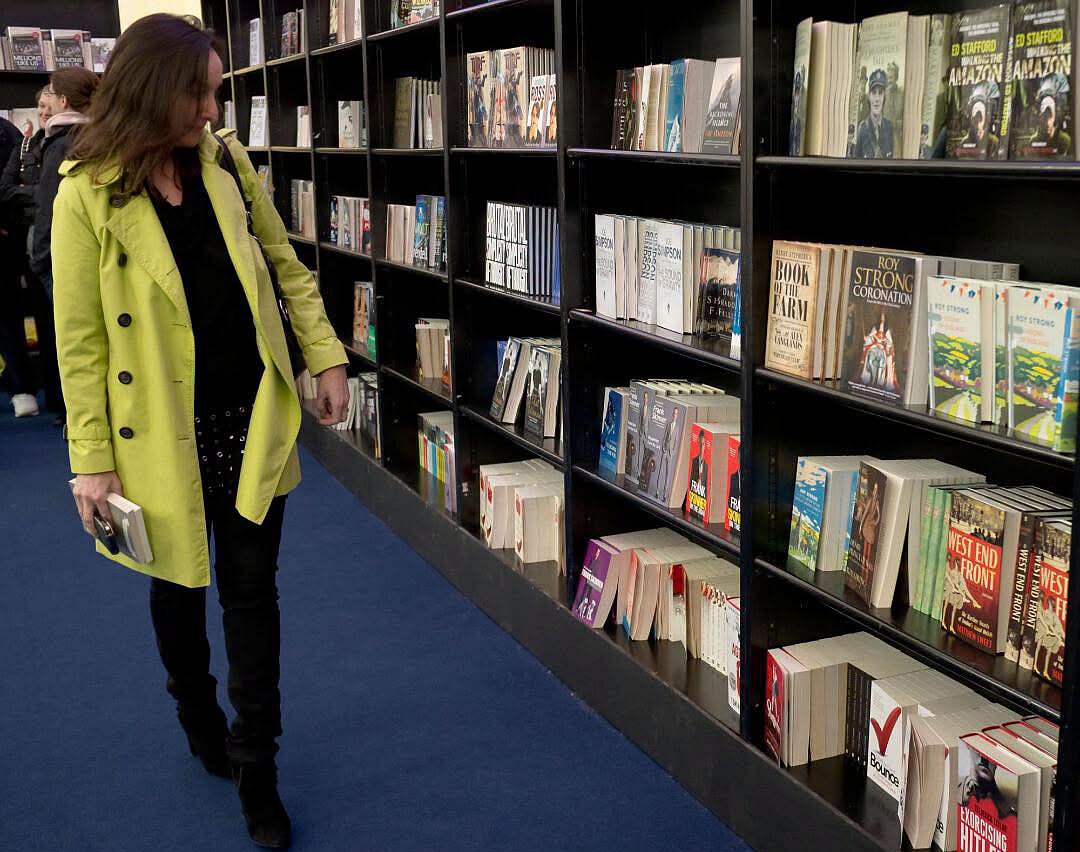
Guess this literary season’s bestselling storyline? Well, nine out of ten paperbacks on last weekend’s Sunday Times bestseller list featured a female victim — women murdered and hidden in basements; trapped in psychological abuse by husbands plotting to kill them, dressing it up as suicide; and a female scientist tortured with her own device.
'A central theme is that the killers are usually men; often partners or acquaintances of the victim,' wrote the paper.
Wendy Jones, an author herself, asked: “What is going on here? Of the 98,000 books sold this week in the bestseller list, 81,000 had women being murdered as central to their plot. So 84 per cent of the books people bought and read in the UK this week involved a woman being murdered for entertainment.”
The books from the bestseller list featuring at least one murdered woman include The Secret of Secrets by Dan Brown, The Divorce by Freida McFadden, The Impossible Fortune by Richard Osman and The Hallmarked Man by Robert Galbraith (the name J.K. Rowling uses for her crime books).
****
Race row at V&A
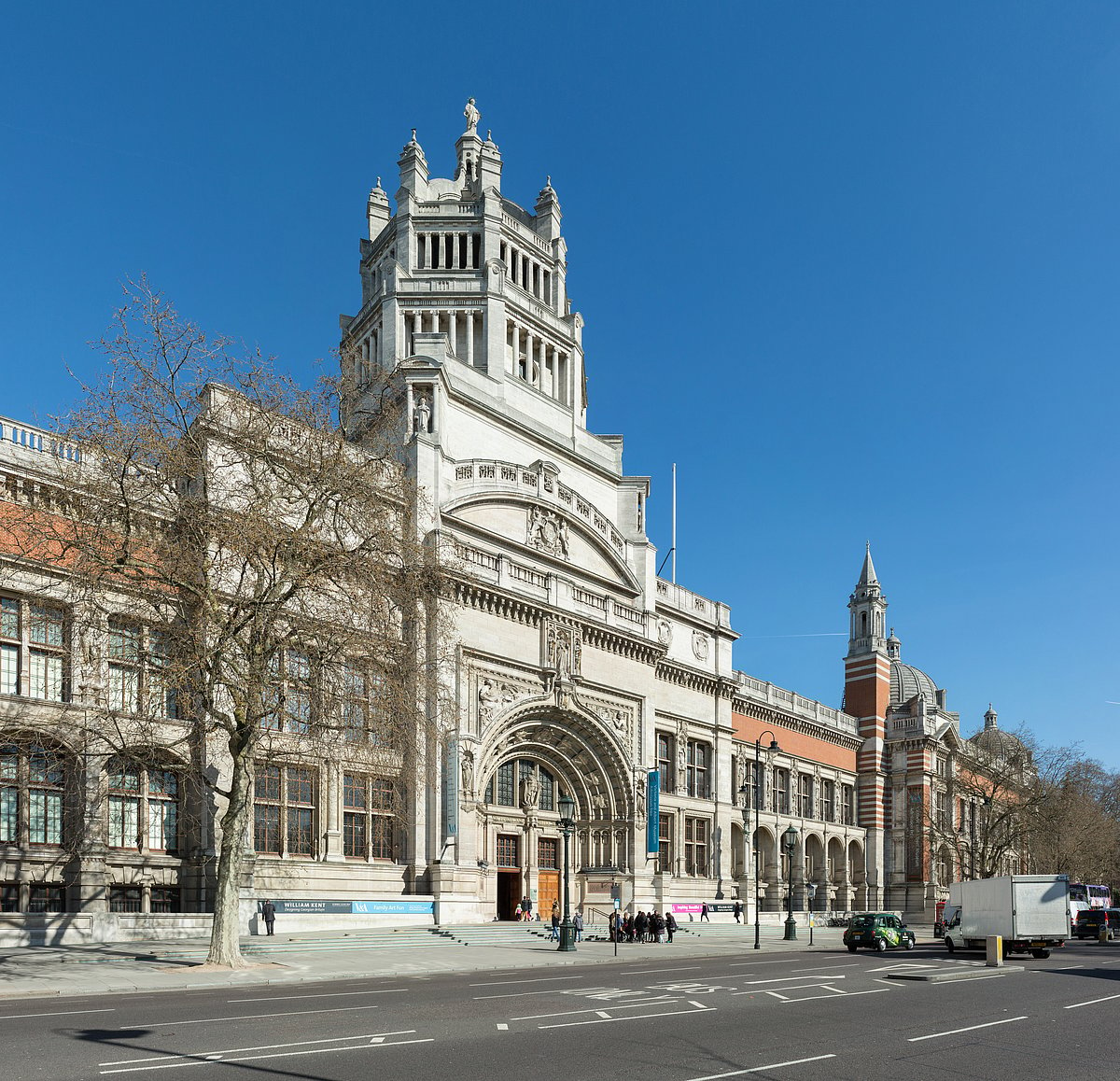
Britain’s famous Victoria and Albert Museum (V&A) is embroiled in a race row amid allegations of 'cultural insensitivity' towards its non-white staff.
A leading art historian at the London-based institution has resigned alleging “systemic racism”. Japanese-origin Yuko Kikuchi, who was head of academic programmes, said in a letter to the museum’s director Tristram Hunt that a predominantly white regime meant that often she was the 'only non-white person in the room' and was made to feel inferior.
A senior colleague told her to avoid using the terms 'decolonial' and 'postcolonial' in conversation because it “might upset patrons and donors”.
'There appears to be insufficient understanding of interrogating museum collections and practices by those in positions of institutional power,' she said.
Her views were echoed by some students at V&A’s design course, claiming they too experienced racism and cultural insensitivity. One student said: “There is a perception of the V&A being inclusive and diversifying. But the imperialistic and colonial origins of the institution are still very prominent."
The V&A rejected the accusations, saying it was 'committed to celebrating diversity, eliminating discrimination and promoting equality of opportunity'.
****
And finally, here are some corporate terms that, according to a straw poll of Times' readers, Brits find annoying. These include 'solutions' offered by all sorts of companies from IT start-ups to high-end plumbers and transporters.
'The "logistical solutions experts"? No, you’re a haulage company,' said one blunt reader. Another was more scathing. telling a “seating solutions provider”: ‘No you make chairs.’ Did anyone say “integrated security solutions?” Well, ‘they do burglar alarms. Ugh!’
Diary readers are welcome to send in more.
Join our official telegram channel (@nationalherald) and stay updated with the latest headlines