


Mojtaba Khamenei matches Trump’s rhetoric, calls for revenge
Military escalation in West Asia looked more likely as Iran’s new supreme leader pledged to avenge his father


US President Donald Trump had said on Friday, 10 July, “We have agreed to talk to the Iranians, but the United States has stated to them, in no uncertain terms, that the Cease Fire is OVER!" and threatened that a thousand US missiles were ‘locked and ready’ in case there was any Iranian attempt to assassinate him. Indeed, according to some reports from the US, the President took the older Air Force One plane to fly back from Ankara because it has enhanced security features than the new Air Force One plane gifted by Qatar.
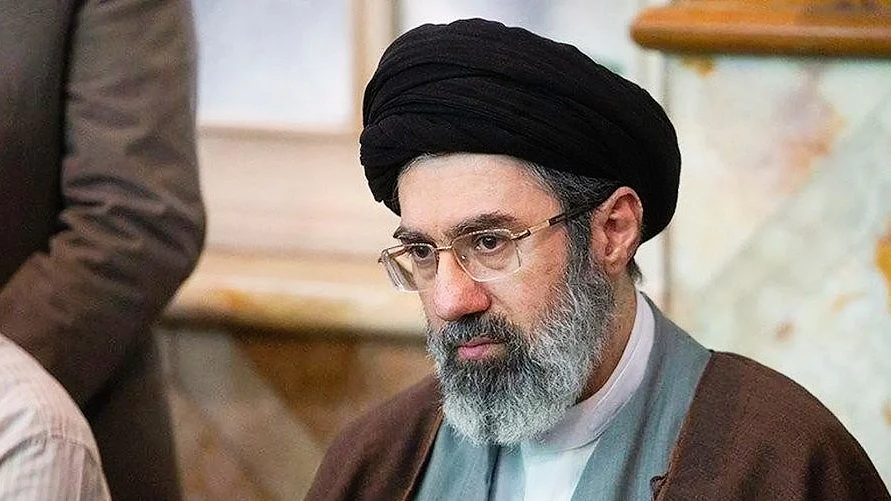
A day later, on Saturday, 11 July, Iran has responded. Iran’s supreme leader Mojtaba Khamenei, who was conspicuous by his absence during the week-long funeral ceremonies of his slain father and former supreme leader Ali Khamenei, addressed the nation. His message to the US and Israel is equally blunt.
“To our martyred leader, I say: We pledge that we will avenge your pure blood and the blood of all the martyrs of these two wars from the criminal and disgraced murderers. This revenge is the demand of our nation, and it will certainly be carried out. These criminals, whose names are known from top to bottom, will carry to their graves the unfulfilled hope of a peaceful death in their own beds. They must know that this matter does not depend on my presence or that of any other officials. Whether we are here or not, this will be accomplished, and soon, individuals from among the freedom-loving people across the world will each carry out a part of this divine mission.”
“This is actually a response to the growing public demand,” said an Iranian analyst to Al Jazeera while referring to Supreme Leader Mojtaba Khamenei’s statement pledging to avenge the killing of his father. “I don’t believe there is anyone in the world who would say that the Americans are justified in killing the Iranian leader and top generals, and Iranians should sit idly,” he said. “If Americans do not pay the price, they will go on and kill the new supreme leader as they have been warning.” It was because of the threats to his life that Mojtaba Khamenei was advised against appearing in public during the funeral of his father, some Iranian reports suggested.
There were calls for revenge by mourners in Iran and a large section of them had appeared to oppose any further negotiation with the West. The new supreme leader’s message is seen as an acknowledgment of the public sentiment that Iran will gain nothing by talking to the US. It had bent over backwards to accommodate the US, had pledged to never develop nuclear weapons and signed a treaty with the US in 2015. Yet, when Donald Trump became president in 2016 for the first term, he pulled the US out of the agreement. Sanctions on Iran and allies became more stringent and the US unilaterally attacked Iranian nuclear installations in June 2025 and followed up by assassinating Ali Khamenei and other Iranian leaders in February 2026. How can Iran trust the US and why, the mourners asked.
Al Jazeera on Saturday quoted Mostafa Khoshcheshm, a professor at the University of Applied Sciences and Technology in Tehran, as saying, “Iran earns nothing” from participating in the talks anymore and “stands to lose a lot”. The analyst argued that the Strait of Hormuz has been “under Iranian control for centuries, ever since this country was created...this shouldn’t be the other way round after the war, and Iranians will not tolerate that. Iran is not going to take part in the talks unless the US backs down [from the Strait of Hormuz]”.
The US air strikes this week including bombing of Chabahar port, 750 kilometres away from the Strait of Hormuz, also convinced Tehran that the US wants to crush Iran and degrade its capabilities. Chabahar is Iran’s only deep-sea port which is being developed over the last two decades as an alternative route to the Strait of Hormuz.
India has huge stakes in the port, which allows India to access Afghanistan and Central Asia bypassing Pakistan. Yet, the US Central Command, which would have known about Indian interests, chose to bomb the port and disable its operations. It had nothing to do with free passage of commercial ships through the Strait of Hormuz or the alleged Iranian attacks on three oil tankers.
Earlier this week M.B. Ghalibaf who led the Iranian team of negotiators listed violations by the US of the clauses in the MoU the two countries had signed last month. He posted on social media, “America still hasn’t learned that bullying and breaking promises are no longer cost-free. Let me put it plainly: if you strike, you’ll get hit. Don’t flail around pointlessly, or you’ll sink even deeper: the Strait of Hormuz will only open with “Iranian arrangements,” not American threats.”
Join our official telegram channel (@nationalherald) and stay updated with the latest headlines