


NATO to unveil major defence deals as allies seek to reassure Trump on military spending
Alliance expected to announce billions of dollars in defence contracts, including plans to replace ageing surveillance aircraft, at summit in Turkey
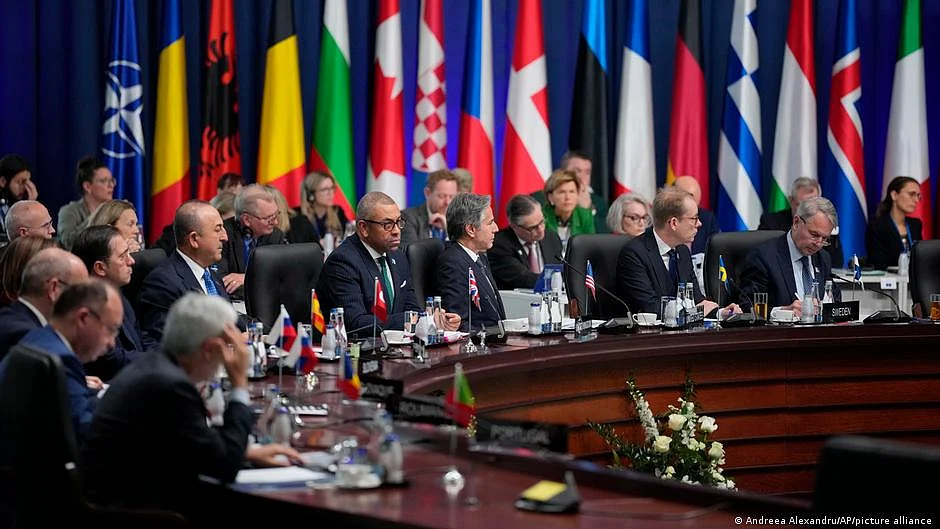


NATO is set to announce a series of defence projects worth billions of dollars at its summit in Turkey on Tuesday as member states seek to demonstrate increased military investment and reassure US President Donald Trump that the alliance is strengthening its defence capabilities.
The announcements, described by NATO as a "big reveal", are expected to include new contracts with defence companies, many of them based in the United States. Mark Rutte said the alliance would unveil "tens of billions" of dollars in new contracts aimed at strengthening deterrence and defence.
Among the key projects is the planned replacement of NATO's ageing fleet of Airborne Warning and Control System (AWACS) surveillance aircraft, which have been in service for around five decades. While NATO does not own weapons, it operates a fleet of AWACS aircraft and surveillance drones on behalf of its 32 member states.
Some of the new initiatives will be financed through the European Union's defence loan mechanism, which allows member countries to access up to USD 170 billion raised through capital markets for military spending.
The summit comes weeks after Rutte presented a chart titled "The Trump Trillion", highlighting USD 1.2 trillion in defence spending by European allies and Canada since 2017 in an effort to address US concerns over burden-sharing. Trump, however, remained critical, saying he was disappointed that some NATO members did not support US military action against Iran.
Separately, Israeli Prime Minister Benjamin Netanyahu urged Washington not to resume sales of Lockheed Martin F-35 Lightning II fighter jets to Turkey, arguing the move would alter the regional military balance. Turkey was removed from the F-35 programme in 2019 after acquiring the Russian-made S-400 Triumf air defence system.
The summit is also expected to focus on expanding Europe's role in collective defence as the Trump administration presses European allies to assume greater responsibility for regional security while the US shifts strategic attention towards China and the Indo-Pacific.
Concerns over defence preparedness have grown across Europe amid fears that Russia could expand hybrid attacks involving cyber operations and other non-conventional tactics as the war in Ukraine continues. British Prime Minister Keir Starmer is expected to use the summit to advocate a stronger European contribution to NATO, even as his government faces criticism over the pace of planned increases in defence spending.
Join our official telegram channel (@nationalherald) and stay updated with the latest headlines