


Nepal: Balen Shah named PM candidate, inks pact with RSP for March polls
Kathmandu mayor to lead youth-led coalition as RSP merges forces before 5 March Nepal elections
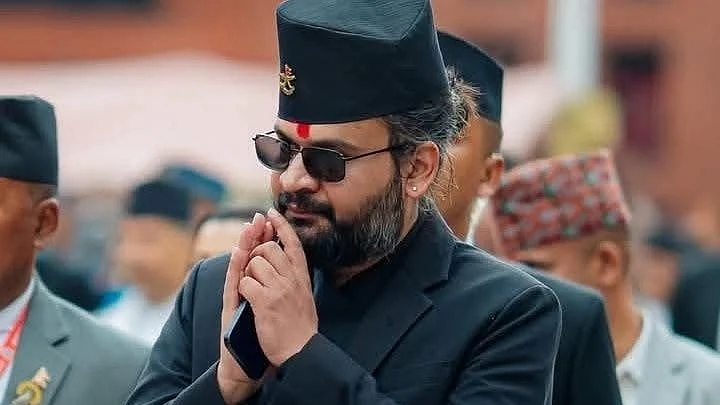


Kathmandu Metropolitan City mayor Balendra Shah, popularly known as Balen, was on Sunday projected as a prime ministerial candidate after he reached a formal pre-poll agreement with the Rastriya Swatantra Party (RSP) to jointly contest Nepal’s 5 March 2026 elections.
The seven-point agreement, finalised after overnight negotiations, designates the 35-year-old mayor as the parliamentary party leader and the alliance’s prime ministerial face. RSP chief Rabi Lamichhane will continue as the party’s chairperson.
Under the pact, Balen and his supporters will contest the elections on the RSP’s election symbol, the bell, as allotted by the Election Commission. With Balen agreeing to merge his political team into the RSP, the party’s name, flag and symbol will remain unchanged.
The agreement explicitly links the alliance to the Gen Z–led protests that swept Nepal in September this year, framing the partnership as a political continuation of that movement. The two sides said they had taken “ownership of the movement launched by the younger generation against corruption and bad governance”, and committed to addressing demands raised during the protests, including support for those injured in clashes with security forces.
The September agitation, driven largely by students, young professionals and first-time voters, erupted across Kathmandu and other major cities, targeting entrenched political elites, opaque governance practices and repeated government reshuffles. Protesters mobilised largely through social media, staging sit-ins, marches and flash demonstrations that drew thousands onto the streets and exposed deep public anger over corruption, unemployment and democratic backsliding.
The sustained and violent unrest caused at least 70 deaths and eventually culminated in the collapse of the K.P. Sharma Oli government, marking one of the most consequential youth-led political mobilisations in Nepal in recent years. Analysts say the protests reshaped the political landscape by forcing mainstream parties onto the defensive and accelerating efforts to consolidate new, reform-oriented political forces.
Following the agreement, Lamichhane said the understanding reflected the country’s needs rather than the ambitions of individual leaders. In a Facebook post on Sunday morning, he said the alliance was driven by a shared commitment to political reform.
The agreement states that both sides have taken “ownership of the movement launched by the younger generation against corruption and bad governance”, and pledged to address demands raised by Gen Z protesters, including support for those injured during the agitation.
Political observers view the pact as a major step towards consolidating emerging, youth-led political forces that spearheaded the September protests, which ultimately led to the collapse of the K.P. Sharma Oli government.
With the alliance in place, a significant influx of Gen Z supporters is expected to join the RSP, strengthening its grassroots mobilisation ahead of the polls. The RSP was the fourth-largest party in the now-dissolved House of Representatives.
Meanwhile, the newly formed Ujyalo Nepal Party (UNP), led by energy and water resources minister Kulman Ghising, has yet to announce whether it will join the alliance, despite holding several rounds of talks with Balen on political cooperation.
The signing ceremony was attended by senior RSP leaders, including Swarnim Wagle, D.P. Aryal and Shishir Khanal, along with Asim Shah from Lamichhane’s camp. Balen’s side was represented by Kumar Byanjankar, Nishchal Basnet and Bhoop Dev Shah.
With PTI inputs
Join our official telegram channel (@nationalherald) and stay updated with the latest headlines