


Nepal steps up efforts to rescue hundreds trapped in hydropower tunnels
Hundreds of hydropower workers remain trapped as international teams join rescue efforts; fresh warnings are issued over rising river levels as flood toll nears 800
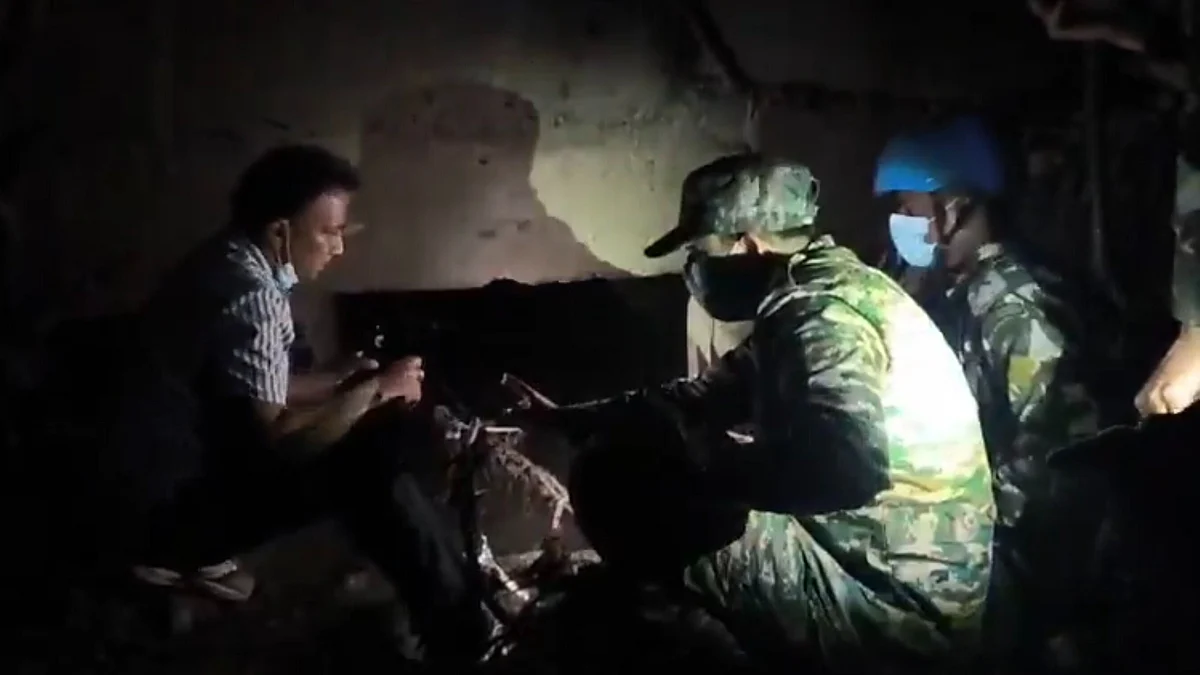


Nepal has intensified efforts to reach hundreds of people feared trapped inside tunnels at hydropower projects, including the Trishuli-3A facility, days after devastating flash floods swept through communities across the Himalayan region.
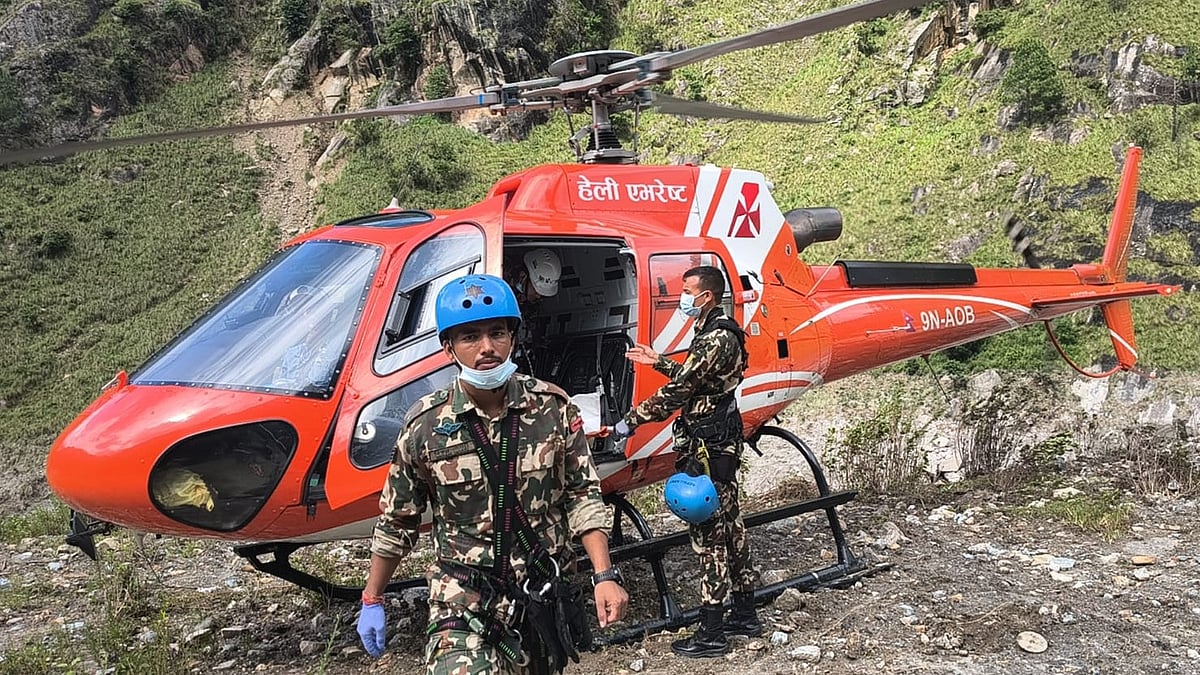
Rescue teams supported by specialists from India and China have been trying to establish contact with those believed to be inside the tunnels. However, officials said they had received no response, deepening concerns over the fate of workers at the affected sites.
Hundreds of the approximately 2,500 people still missing are believed to be employees of hydropower projects. The figures suggest that workers at these facilities may account for a significant proportion of those unaccounted for following the disaster.
Nepal’s disaster management authorities said at least 788 people had been confirmed dead and 2,502 remained missing. Some local officials put the toll as high as 794 as information continued to arrive from remote and badly damaged areas.
The flooding began after a glacial collapse sent a powerful torrent of water, rocks and debris through settlements and infrastructure in Nepal and Tibet. On the Chinese side of the border, state media reported 16 deaths and 546 people missing, with rescue personnel struggling to locate survivors.
Authorities in Nepal have meanwhile urged residents of flood-affected districts to remain on high alert following a rise in the water level of the Bhotekoshi River. The warning was issued after Chinese authorities reported an increase in the flow of water upstream.
Officials are also closely monitoring a crater estimated to contain around 1.4 million cubic metres of water amid fears that any breach could trigger another destructive surge.
In Dhading district, residents have begun returning to severely damaged homes in an attempt to recover belongings. The restoration effort remains difficult, with destroyed bridges and damaged power lines continuing to obstruct access and disrupt essential services.
Repeated warnings about the possibility of further flooding have added to the anxiety of communities already struggling with loss and displacement. Many residents remain fearful that another surge could strike before recovery operations are completed.
Nepal’s Foreign Minister Shisir Khanal called for a coordinated global response to climate change, arguing that countries contributing least to global emissions were increasingly bearing the consequences of climate-related disasters.
“Despite having only 0.1 per cent contribution to the global emissions, people of Nepal have become major victims of climate change,” Khanal said.
International assistance has continued to arrive as the scale of the disaster becomes clearer. Malaysia has pledged $1 million in aid and announced plans to send a search-and-rescue team to support Nepal’s operations.
With agency inputs
Join our official telegram channel (@nationalherald) and stay updated with the latest headlines