


Pakistan announces austerity measures as Houthi attacks disrupt Red Sea shipping
Government bans new vehicle purchases, halves fuel allocations for official vehicles and limits wedding functions to one dish; markets to close by 9pm
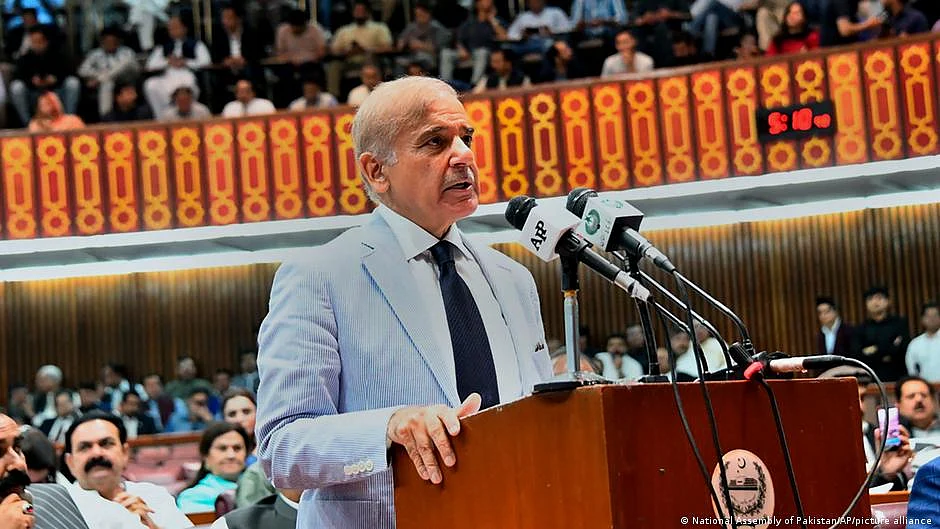


Pakistan's federal government on Thursday introduced a fresh package of austerity and fuel-conservation measures amid renewed tensions in the Middle East and disruptions to regional energy supply routes, including a ban on new government vehicle purchases, a 50 per cent cut in fuel allocations for official vehicles and restrictions on business hours.
The measures, notified by the Cabinet Division with immediate effect, also restrict foreign travel by federal government officials for three months and require a single dish to be served at marriage-related functions. The government has additionally ordered a 5 per cent monthly reduction in non-employee-related expenditure during the current financial year.
Under the new rules, shops, markets, shopping malls, bazaars, departmental stores and grocery stores must close by 9pm. Wedding halls, marquees and other venues hosting festive events must close by 10pm, while restaurants, cafes, eateries and food outlets will have to close by 11pm.
Takeaway and home-delivery services are exempt from the 11pm restriction.
Essential services, including pharmacies, hospitals, clinics, medical laboratories, petrol and CNG stations, electric-vehicle charging stations, gyms, sports facilities, IT companies and call centres, are exempt from the revised timings, according to Dawn.
Government vehicles and fuel use
The government has imposed a complete ban on the purchase of new vehicles of all types by federal departments. Procurement of durable goods has also been prohibited, except for information technology-related purchases.
The restrictions do not apply to development projects.
Fuel allocations for official vehicles have been reduced by 50 per cent for three months. Operational vehicles of the armed forces, civil armed forces, law enforcement agencies, essential services and the Federal Board of Revenue have been exempted.
The fuel restriction will, however, apply to administrative and non-operational formations of these organisations. Development projects are also exempt from the fuel-conservation measure.
Foreign travel restricted
The government has also imposed a three-month restriction on foreign visits and travel by ministers, advisers, ministers of state, special assistants to the prime minister, parliamentarians and government officials.
There are exemptions for scholarships offered by international development partners and training or courses arranged through the Economic Affairs Division or under institutional agreements with the government.
Where overseas representation is considered compulsory or important, Pakistan's ambassador or high commissioner concerned may represent the country instead.
If foreign travel by government representatives is unavoidable, they have been directed to travel in economy class.
Spending cuts and official events
The Cabinet Division has ordered a 5 per cent monthly reduction in non-employee-related expenditure, or Non-ERE, during the current financial year.
The measure also applies to Pakistan's foreign missions and officials posted abroad. Expenditure on rent, educational fees and medical care will continue, according to Dawn.
Government departments have also been directed to preferably hold teleconferences instead of physical meetings, except for intra-city meetings.
Official seminars, training programmes and conferences funded by the government have been prohibited unless unavoidable. Where such events must be held, departments have been instructed to use government-owned facilities such as auditoriums and committee rooms instead of hiring external venues.
Official dinners have also been prohibited, except for events involving foreign delegations.
Earlier austerity measures
Pakistan had introduced a similar package in March following the outbreak of the US-Iran conflict and concerns over fuel supplies and rising international oil prices. Those measures included a 50 per cent reduction in fuel allocations for official vehicles, restrictions on government spending and partial work-from-home arrangements in the public sector.
Information Minister Attaullah Tarar said on 14 September that the government was considering reviving some of those measures amid renewed hostilities in the Middle East and rising fuel prices.
The latest measures come as Pakistan faces higher domestic fuel prices. The government on Wednesday raised petrol prices by Rs 6.88 per litre and high-speed diesel prices by Rs 5.62 per litre, taking their prices to Rs 391.22 and Rs 421.45 per litre respectively from 17 September.
The government has simultaneously launched a fuel relief scheme for motorcycles, rickshaws and vehicles up to 800cc, offering eligible users relief of Rs 100 per litre subject to monthly limits.
The fresh austerity package therefore combines restrictions on government spending and fuel use with limits on commercial operating hours and certain private social functions, as Islamabad seeks to reduce fuel consumption and non-essential expenditure amid the regional energy disruption.
Join our official telegram channel (@nationalherald) and stay updated with the latest headlines