


Pakistan says Makkah defence pact may be activated after Houthi attacks on Saudi
Defence minister Khawaja Asif says aggression against any alliance member will be treated as an attack on all, but stresses that the pact is defensive
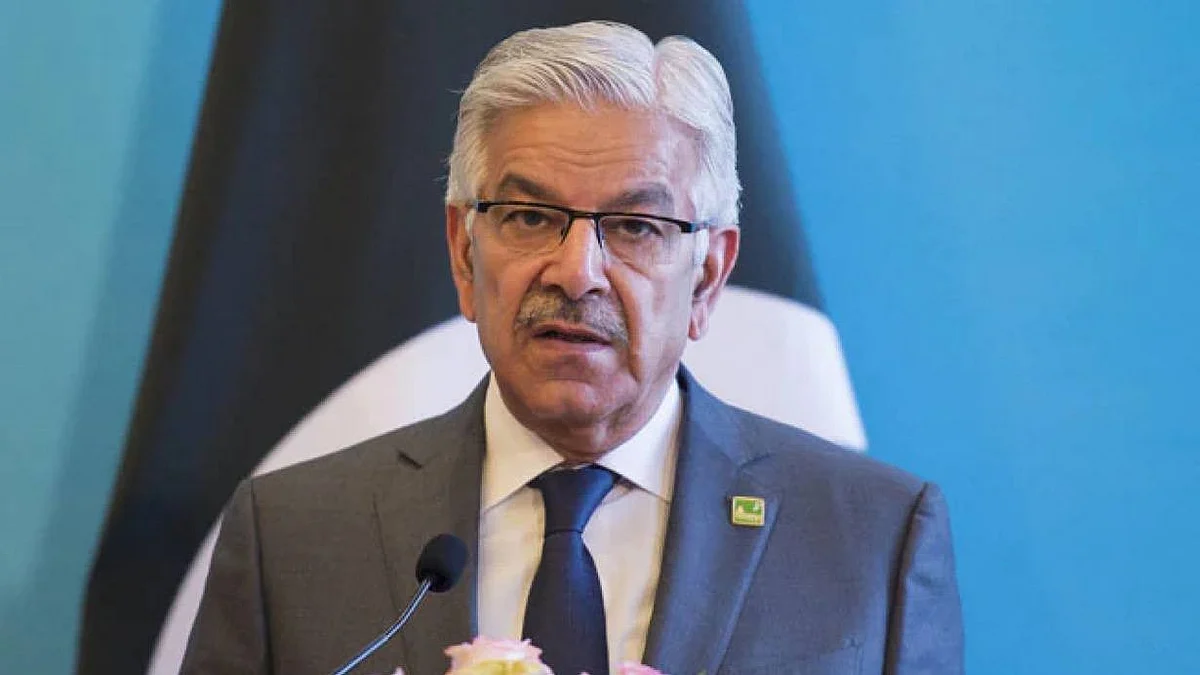


Pakistan has warned that the collective-defence provisions of the newly established Makkah Defence Alliance could be activated following missile and drone attacks by Yemen’s Houthi forces on Saudi Arabia.
Defence minister Khawaja Asif said on Tuesday that there should be “no ambiguity” that aggression against any one of the alliance’s three members — Pakistan, Saudi Arabia and Turkiye — would be considered an attack on all.
His remarks came hours after the Iran-aligned Houthis launched multiple missiles and drones towards Saudi cities and economic and energy infrastructure, injuring at least 73 civilians.
Asif said any unprovoked attack on an alliance member, or an expansion of the conflict in Yemen into Saudi territory, would trigger the provisions of the agreement signed by the three countries in Makkah last month.
“There should be no ambiguity; there is no need for any clarity that this is a joint defence agreement,” Asif told Geo TV, adding that Pakistan would honour its obligations to Saudi Arabia if required.
“We are bound by the terms and conditions of this pact, and, God willing, we will honour them in case there is a need,” he said.
The minister, however, said he was unaware of any communication between Pakistan and Saudi Arabia following the Houthi attacks.
Asif emphasised that the agreement was defensive and did not permit the member countries to initiate attacks against another state. He said the alliance would act collectively only in response to aggression against one of its members.
“This is not an aggressive agreement under which the three countries would, on their own initiative, attack another country. But if there is any aggression against one member state, all three member states will respond,” he said.
While expressing hope that tensions would ease, Asif warned the Houthis against allowing Yemen’s conflict to spread across the country’s borders. Any such attempt, he said, could bring the alliance’s collective-defence clauses into operation.
Describing the Houthis as “non-state actors”, Asif acknowledged that Iran enjoyed sympathy across parts of the Muslim world, including in Yemen, amid its conflict with the United States. He cautioned, however, that such sentiment should not be used to broaden an existing bilateral confrontation.
Asif said the combined military strength of Pakistan, Saudi Arabia and Turkiye could itself serve as a deterrent and that any response under the agreement would not necessarily involve military action.
“We don’t need to respond to a brick with a stone,” he said.
The minister maintained that Saudi Arabia should not be drawn into what he described as Yemen’s internal conflict and voiced hope that diplomacy would prevent further escalation.
A Saudi-led coalition of Arab countries has supported Yemen’s internationally recognised government in its conflict with the Houthis for more than a decade.
The Houthis said Tuesday’s attacks were carried out in response to recent Saudi air strikes on areas under their control in north-western Yemen. The group had accused Saudi Arabia a day earlier of bombing a prison in Al Hazm, killing at least 11 people.
With PTI inputs
Join our official telegram channel (@nationalherald) and stay updated with the latest headlines