


Pentagon bars journalists from press office amid fresh media access curbs
US Defence Department cites security concerns for press office redesignation; media groups warn of curbs on press freedom
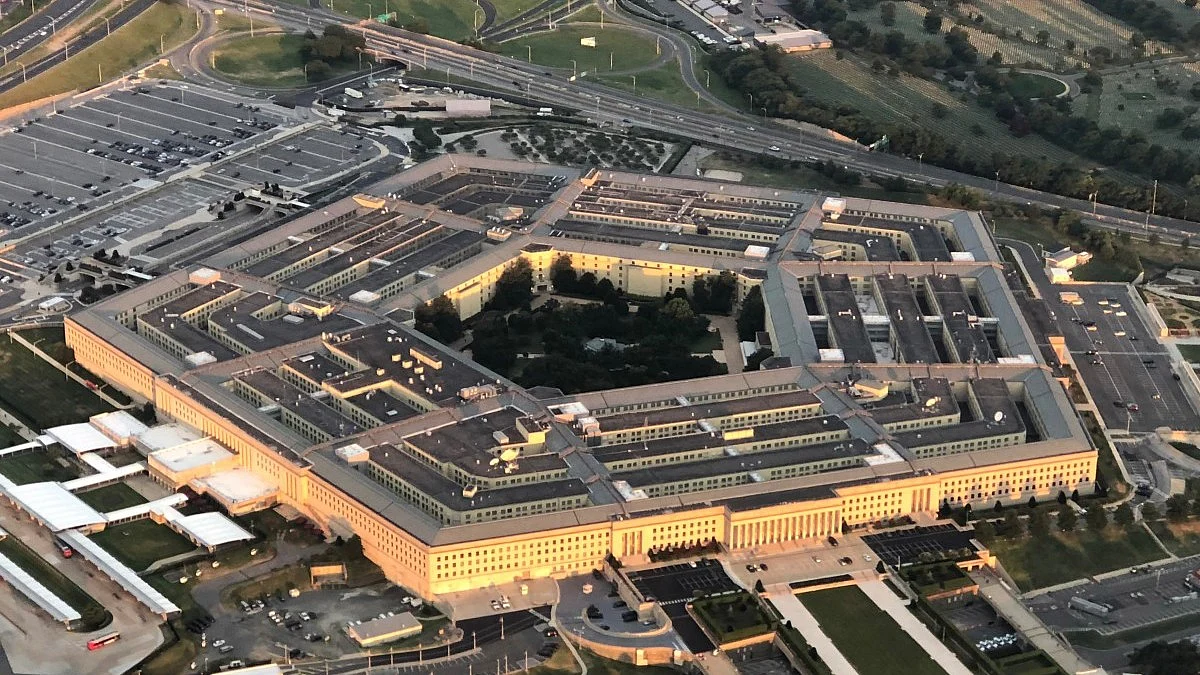


The United States Department of Defense has barred journalists from entering its press office, marking the latest in a series of measures that have tightened media access to government institutions since President Donald Trump returned to office.
The Pentagon announced on Monday that the press office had been redesignated as a Sensitive Compartmented Information Facility (SCIF), a secure area used for handling classified information. The move effectively prevents journalists from accessing the workspace previously used by members of the media covering defence affairs.
Acting Pentagon press secretary Joel Valdez said the decision was linked to the office’s current use by speechwriters who routinely work with classified material and require access to secure government communication systems.
In a statement, Valdez said the redesignation was necessary because personnel operating from the office regularly handle sensitive information through SIPRNet, the Pentagon’s secure network for classified communications. He added that while journalists would no longer be allowed to enter the office space, access to senior public affairs officials would remain available through appointments.
The decision was first reported by The Washington Post and comes amid a broader dispute between the Pentagon and media organisations over access to military facilities and officials.
Since the beginning of Trump’s second term, several changes have been introduced affecting journalists covering the Defence Department. In March, the Pentagon announced that media organisations would no longer be permitted to maintain dedicated office space within its headquarters. The decision followed a legal challenge brought by The New York Times over revised press credential rules.
The department has also introduced a requirement that journalists be accompanied by authorised escorts while inside the Pentagon complex. That policy is currently being challenged in court by The New York Times through a separate lawsuit filed in May.
Press freedom organisations reacted sharply to the latest restrictions.
The National Press Club described the move as a concerning escalation in efforts to limit media scrutiny of the military. Its president, Mark Schoeff Jr, said independent reporting on the armed forces was essential to ensuring transparency and public accountability.
He argued that increasing barriers between journalists and government institutions ultimately reduce the flow of information available to the public and weaken democratic oversight.
The Freedom of the Press Foundation also criticised the Pentagon’s decision. Seth Stern, the organisation’s chief advocacy officer, questioned the justification for classifying the space and accused defence officials of using security concerns to limit media access.
The latest development is expected to intensify debate over press freedom and government transparency in the United States, with media organisations and advocacy groups warning that continued restrictions could make independent scrutiny of defence policy and military operations increasingly difficult.
Join our official telegram channel (@nationalherald) and stay updated with the latest headlines