


All you need to know about Iran protests as govt shuts down internet, phone networks
Strain from sanctions, currency collapse and regional setbacks piles pressure on Tehran’s theocracy
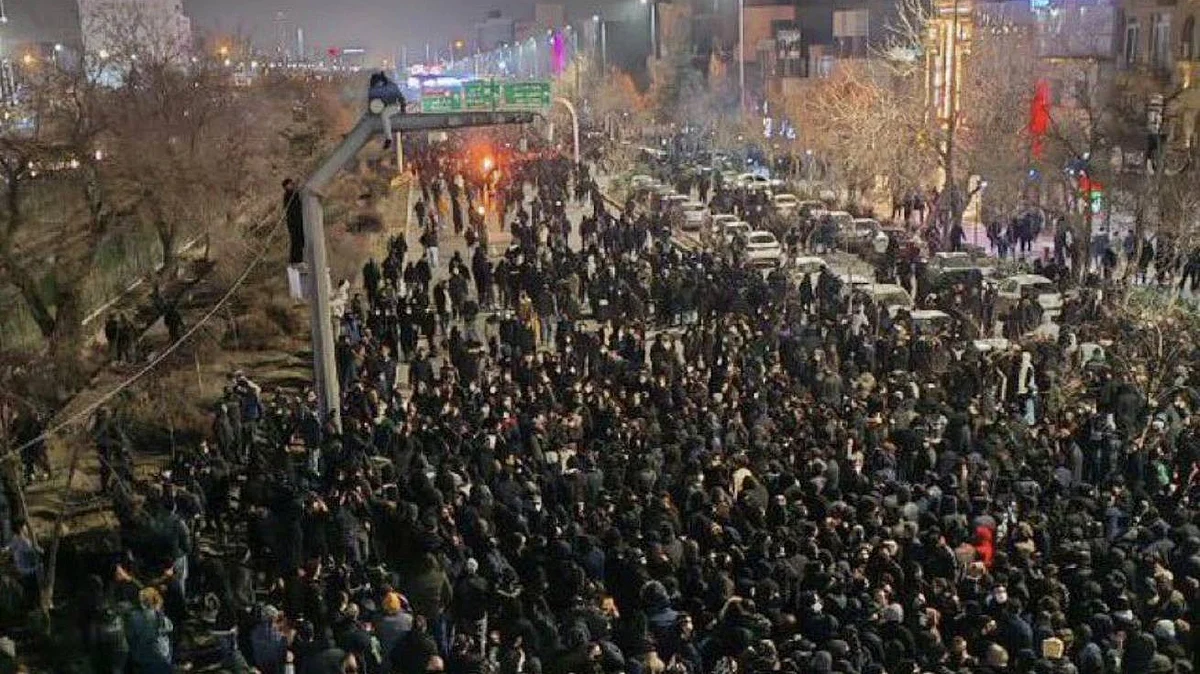


Nationwide protests driven by Iran’s worsening economic crisis have put fresh pressure on the country’s clerical leadership, even as authorities have shut down internet and telephone services in a bid to curb the unrest.
The demonstrations, which began in late December over soaring prices and the collapse of the rial, have now spread to all 31 provinces, according to the US-based Human Rights Activists News Agency. The group said more than 500 protests have taken place so far, with at least 544 people killed and over 10,600 arrested. The Iranian government has not released official casualty figures.
With communications largely cut, independent verification of the scale of the protests has become increasingly difficult. State media has provided limited coverage, while journalists face severe restrictions on movement and reporting.
Economy at the heart of unrest
Iran’s economy has been under acute strain since September, when the United Nations reimposed sanctions over Tehran’s nuclear programme. The pressure has sent the rial into a tailspin, now trading at over 1.4 million to the US dollar, sharply reducing purchasing power.
Inflation has hovered around 40 per cent annually, driving up the cost of basic food items such as rice and meat. In December, the government raised prices under its subsidised fuel scheme, further squeezing households. Days later, Iran’s Central Bank ended a preferential exchange rate for most imports, a move expected to push food prices even higher.
The protests initially began with merchants in Tehran but soon spread nationwide, with slogans shifting from economic grievances to open criticism of the government. Anger has remained raw since the 2022 death of Mahsa Amini in police custody, which had triggered earlier mass demonstrations.
Regional power weakened
The unrest comes at a time when Iran’s strategic position in the Middle East has weakened significantly. Tehran’s so-called “Axis of Resistance” — a network of allied governments and militant groups — has suffered setbacks since the Israel-Hamas war in 2023.
Hamas has been severely weakened in Gaza, Hezbollah has lost key leaders in Lebanon, and Iran’s long-time ally in Syria, Bashar al-Assad, was overthrown in a December 2024 offensive. Iranian-backed Houthis in Yemen have also faced sustained US and Israeli strikes.
China continues to buy Iranian oil, providing Tehran with an economic lifeline, but neither Beijing nor Moscow has offered open military backing, despite Russia’s reliance on Iranian drones in the Ukraine war.
Nuclear issue adds to pressure
Western governments remain deeply concerned about Iran’s nuclear programme. Although Tehran insists its activities are peaceful, it had been enriching uranium to near weapons-grade levels before US strikes on nuclear facilities in June.
The International Atomic Energy Agency (IAEA) has warned that Iran could produce enough material for several nuclear bombs if it chose to weaponise its programme. While US intelligence agencies say Tehran has not yet decided to build a bomb, they assess that Iran has taken steps that would allow it to do so quickly.
Iran recently announced that it had halted uranium enrichment at all sites, signalling possible openness to negotiations, but there has been no substantive diplomatic progress since the June conflict.
Tensions with Washington rise
US President Donald Trump has publicly warned Tehran against using lethal force on protesters, saying the United States would “come to their rescue” if peaceful demonstrators were violently suppressed. His comments have drawn added attention after American forces recently captured Venezuela’s President Nicolás Maduro, a long-time Iranian ally.
Relations between Iran and the US have been hostile for decades, shaped by the 1979 Islamic Revolution and the subsequent hostage crisis at the US embassy in Tehran. Tensions eased briefly after the 2015 nuclear deal, but escalated again when Trump withdrew the US from the agreement in 2018 and reimposed sanctions.
The situation deteriorated further following Hamas’ October 7, 2023, attack on Israel and the conflicts that followed across the region.
Uncertain road ahead
Supreme Leader Ayatollah Ali Khamenei has warned that “rioters must be put in their place”, signalling a possible hardening of the state’s response. The communications blackout has heightened fears among rights groups that a violent crackdown may follow, shielded from international scrutiny.
For now, Iran’s leadership faces a convergence of crises — economic collapse, diplomatic isolation, regional setbacks and domestic unrest — that together pose one of the most serious challenges to the Islamic Republic in years.
Whether the protests will force meaningful political change remains uncertain, but analysts say the depth of public anger and the breadth of participation suggest that Iran’s instability is no longer confined to the margins — it is now at the centre of the country’s political life.
Join our official telegram channel (@nationalherald) and stay updated with the latest headlines