


Russia likely used shadow fleet to launch drones over NATO countries in Europe
Study identifies 144 suspected drone sightings across Europe between 2024 and 2026, alleging Moscow used its shadow fleet to disrupt aviation, monitor military sites and probe NATO air defences
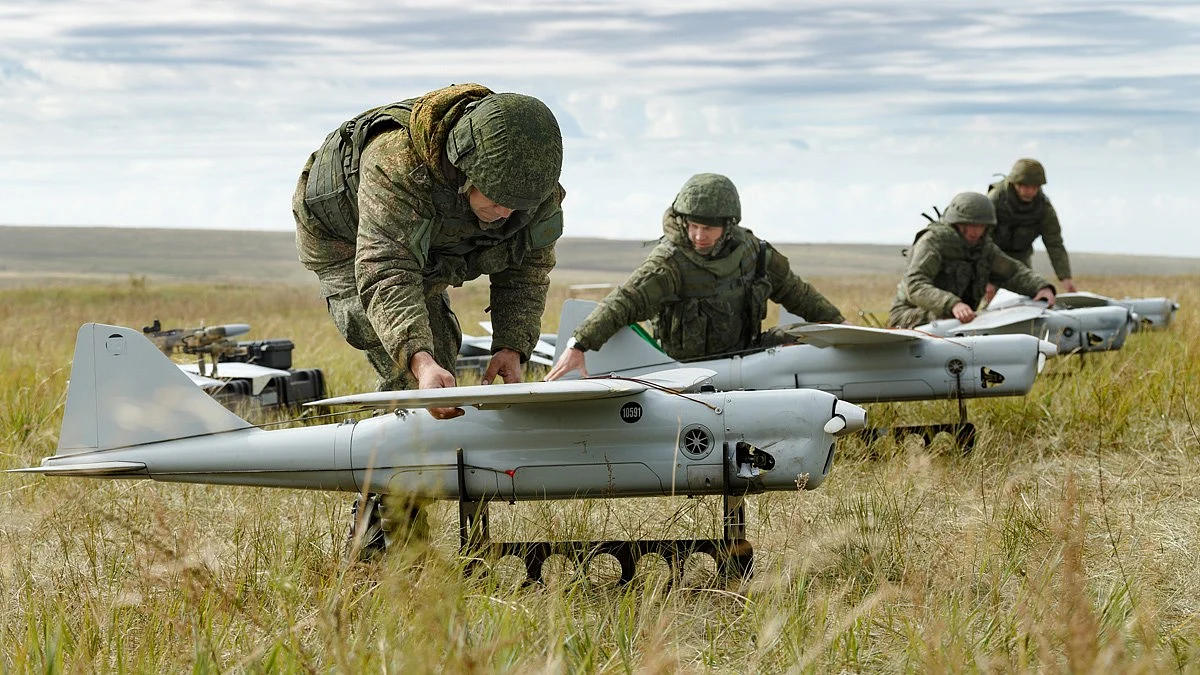


Russia likely used vessels from its so-called shadow fleet to launch drones over Europe as part of a coordinated campaign to disrupt civilian aviation, monitor sensitive military installations and test NATO's air defences, according to a report published by the International Institute for Strategic Studies (IISS).
The report, shared with the Associated Press ahead of its publication, identified 144 suspected drone sightings across Europe between 2024 and 2026, including incidents in Germany, France, Belgium, the Netherlands, the United Kingdom and Denmark.
According to the study, the sightings peaked in late 2025, forcing the temporary closure of several airports in Germany, Spain and Denmark.
The IISS said the campaign appeared designed to remain below the threshold that would trigger a collective NATO response while exposing weaknesses in Europe's air defence systems. It described the response to the incursions as a "strategic failure" for Europe.
Several senior European officials acknowledged that attributing the drone activity directly to Russia remains difficult. NATO Deputy Supreme Allied Commander Europe, Air Chief Marshal John Stringer, also stopped short of directly blaming Moscow, but said the incidents fit a broader pattern of disruptive activity across Europe that Western governments have linked to Russia since its invasion of Ukraine in 2022.
Russia has denied conducting a sabotage campaign against Europe. President Vladimir Putin said in May that Moscow was not behind such activities.
Shadow fleet under scrutiny
The report argues that Russia's "shadow fleet" — vessels with opaque ownership structures used to circumvent Western sanctions — was likely used as launch platforms for some of the drones.
Researchers analysed the movements of these ships and found multiple instances where suspected drone sightings coincided with their presence in European waters.
One example cited in the report involved the shadow fleet vessel Vezhen, which sailed off Ireland's coast in December 2025 when Ukrainian President Volodymyr Zelenskyy visited the country. During the same period, four large drones were reportedly seen flying over an Irish naval vessel.
The report also highlighted several incidents in Denmark.
On 3 January 2025, up to 20 drones were reported over the Danish port of Koege while the shadow fleet vessel Arctica was sailing nearby.
Later that year, drone sightings led to the temporary closure of Copenhagen Airport. The IISS said multiple shadow fleet vessels, including Arctica and Boracay, were operating in the area at the time.
French authorities subsequently boarded the Boracay, with President Emmanuel Macron saying he could not rule out the vessel's involvement in the drone activity over Denmark.
While Danish authorities confirmed multiple drone incursions during September and October 2025, they did not directly attribute them to Russia, although they acknowledged that Moscow was conducting hybrid operations against Western countries.
Sweden's military representative to NATO, Lt. Gen. Jonny Lindfors, said it was a "reasonable assumption" that Russia could be launching drones from shadow fleet vessels, though he cautioned that attributing responsibility remained extremely difficult.
Military sites monitored
The report also suggests Russia used drones to monitor military facilities and identify weaknesses in NATO's air defence network.
Among the incidents cited were multiple drone sightings over four US air bases in the United Kingdom in November 2024, more than 1,000 suspicious drone sightings over military sites and defence companies in Germany during 2025, and drone activity over military bases in the Netherlands and Belgium believed to house US B61 nuclear bombs.
Drone sightings were also reported over France's Ile Longue submarine base, home to the country's nuclear-powered ballistic missile submarines.
Several defence ministries confirmed that drones had been detected near military installations but said investigations into the incidents were continuing.
Europe's drone defences under pressure
The report concludes that Europe remains poorly prepared to counter low-flying drones, which are difficult to detect because they often resemble birds or small aircraft on radar.
It noted that responsibility for responding to drone incursions is frequently divided among multiple civilian and military agencies, complicating rapid action.
Denmark's Defence Command recently acknowledged shortcomings in its drone detection capabilities and said improvements were under way. Several European countries have since announced plans to strengthen counter-drone systems.
Stringer said many countries that previously underestimated the threat now recognised that counter-drone capabilities had become an essential component of modern air defence.
Lindfors said the frequency of drone incursions suggested they were unlikely to be isolated incidents.
"With so many incursions, it would be naive to believe it's just a coincidence," he said, adding that such hybrid threats had become part of Europe's new security reality.
Join our official telegram channel (@nationalherald) and stay updated with the latest headlines