


Hasina accuses Yunus-led interim govt of pushing Bangladesh into ‘darkness’
Former prime minister, speaking from India, alleges corruption, insecurity and erosion of Bangladesh’s global standing
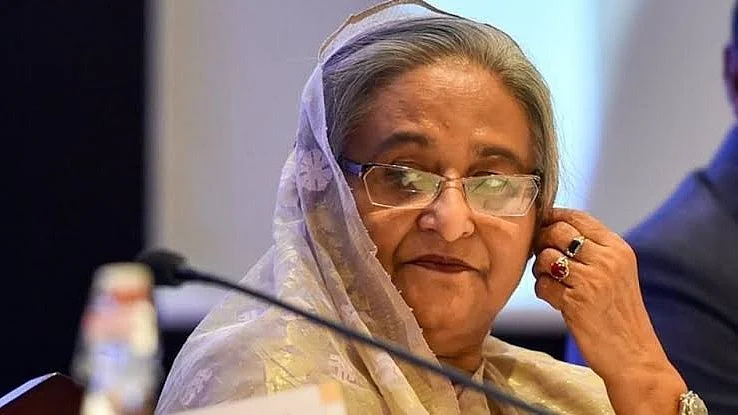


Former Bangladesh prime minister Sheikh Hasina has launched a sharp attack on the Muhammad Yunus-led interim government, accusing it of driving the country towards “darkness” through corruption, falsehoods and the pursuit of narrow personal interests.
In a New Year message shared by her Awami League party on social media, Hasina said those conspiring to destabilise Bangladesh had already been exposed before the nation. She claimed the country’s international image had deteriorated sharply, with Bangladesh now associated with fear rather than respect on the global stage.
According to Hasina, growing insecurity for foreign investors and donor agencies, combined with what she described as chaos and misgovernance, had pushed the economy into collapse. She warned that Bangladesh’s distinct identity and the legacy of the 1971 Liberation War — which she said her government had worked to uphold with dignity — were now being questioned.
“When Bangladesh has faced such crises in the past, its people have always come together,” Hasina said, calling for unity across divisions of class, religion, language and ethnicity to safeguard the nation’s future.
Hasina has been residing in India since August 2024, after fleeing Dhaka amid student-led protests that led to the fall of her government. Indian authorities have hosted her at a secure location, and she has remained politically active from exile, issuing regular statements on developments in Bangladesh.
In recent interviews in late 2025, Hasina questioned the legitimacy of the interim administration, accusing Yunus of lacking an electoral mandate and of empowering extremist elements. She alleged that terrorists had been released, minorities targeted and the Awami League effectively sidelined, while anti-India rhetoric had been encouraged, including threats related to the strategically sensitive Siliguri Corridor.
She also rejected plans for elections scheduled for February 2026, arguing that polls without the participation of her party would lack credibility. Hasina predicted that public anger would soon turn decisively against what she described as “illegal usurpers” of power.
Despite her criticism, Hasina struck a conciliatory note in her New Year message, praying for peace and normalcy in Bangladesh in 2026. She reiterated her call for national unity, urging citizens to act collectively to “save the country” from its current trajectory and restore stability and international confidence.
With agency inputs
Join our official telegram channel (@nationalherald) and stay updated with the latest headlines