


Trump claims Iran is “defeated” as war goals and timeline shift
The lack of clarity is further underscored by Trump’s inconsistent timeline for the war
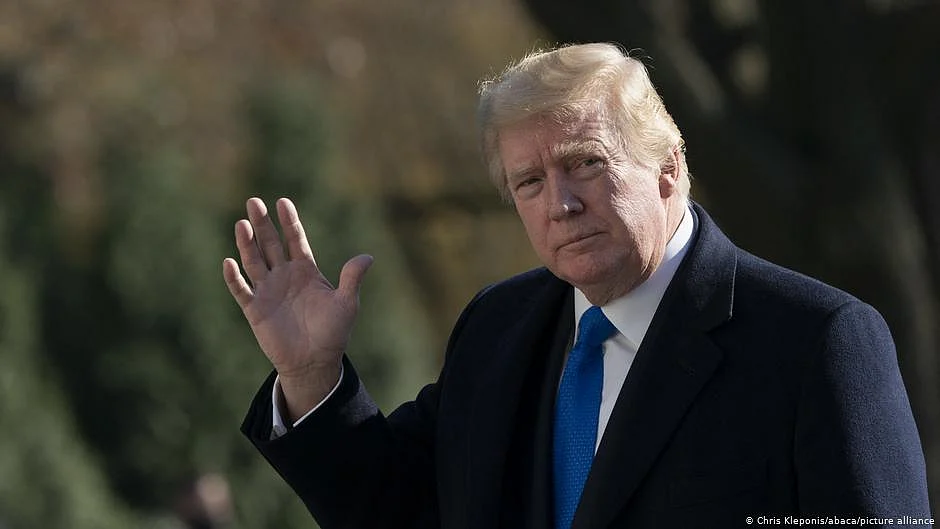


US President Donald Trump has claimed that Iran’s military is effectively “finished”, even as hostilities continue and uncertainty deepens over the direction and consequences of the conflict. Speaking in Washington, Trump asserted that the United States was close to achieving its objectives and suggested the campaign was running ahead of schedule. Yet his remarks have been accompanied by a pattern of shifting goals and inconsistent timelines that critics argue point to a lack of coherent planning.
From the outset, Trump’s stated aims have varied widely. In early comments, he appeared to encourage regime change, urging the Iranian people to “take over” their government and framing the conflict as a historic opportunity.
That rhetoric has since given way to a more conventional set of military objectives, including dismantling Iran’s missile capabilities, destroying its defence industrial base and eliminating its naval and air power.
Alongside these goals, Trump has repeatedly insisted that the United States will prevent Iran from acquiring nuclear weapons, despite longstanding international assessments that Tehran does not currently possess them.
The breadth and fluidity of these objectives have led analysts to question whether the administration has a clearly defined endgame or is instead adapting its narrative to fit events on the ground.
The lack of clarity is further underscored by Trump’s inconsistent timeline for the war. He initially suggested the campaign could be completed in “four weeks or less”, later extending that estimate to four or five weeks, before acknowledging it could take longer.
In formal communication with Congress, no timeline was provided at all. While the president continues to claim that operations are “ahead of schedule”, such assertions sit uneasily alongside the absence of a stable framework for measuring success or determining when the conflict might realistically conclude.
Trump has also offered sweeping and, at times, questionable assessments of the military situation. Declaring that Iran’s forces have been “knocked out” and that US troops are “roaming free”, he has portrayed the campaign as a near-total victory already achieved.
However, without independent verification, these claims risk appearing premature and overly optimistic. Critics warn that such rhetoric echoes past US conflicts in which early declarations of success were later undermined by prolonged instability and unforeseen resistance.
His rejection of calls for a ceasefire has further intensified concern. Arguing that it makes little sense to halt operations while “obliterating the other side”, Trump has signalled an intention to press on regardless of mounting international unease. This stance not only raises the risk of escalation but also limits the scope for diplomatic engagement at a time when regional tensions are already high.
The president’s comments on the Strait of Hormuz have added to the controversy. By downplaying its importance to the United States and suggesting that other countries should take responsibility for securing it, Trump appeared to shift the burden of a global economic risk onto allies.
His criticism of NATO and frustration with partners such as South Korea and Australia for their limited involvement may further strain already delicate alliances, undermining the collective approach typically required in conflicts of this scale.
Throughout his remarks, Trump has emphasised alignment with Israel, presenting the campaign as a joint effort aimed at achieving decisive victory. Yet this close identification also raises questions about whether US policy is being shaped by a broader strategic vision or driven primarily by immediate military coordination.
At the same time, Trump has dismissed concerns about rising oil prices and market volatility, insisting that the operation is justified despite its potential economic fallout.
Taken together, the president’s statements reveal a campaign marked by expansive ambitions, shifting narratives and a notable absence of strategic consistency. While the administration projects confidence and claims significant progress, the gap between its rhetoric and the complexities of the conflict on the ground continues to draw scrutiny.
For many observers, the central concern is not only whether the United States can achieve its stated objectives, but whether those objectives have been clearly defined in the first place.
With IANS inputs
Join our official telegram channel (@nationalherald) and stay updated with the latest headlines