


Trump opposes further strikes on Iran’s energy sites after South Pars attack
US President signals restraint despite backing Israeli strike as ‘message’ over Hormuz blockade
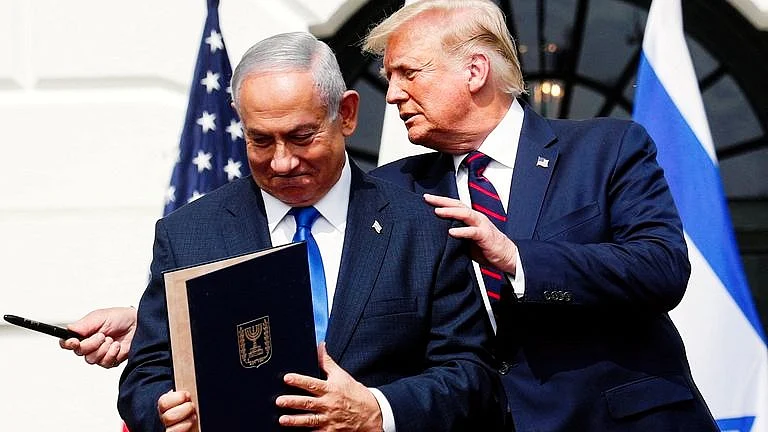


US President Donald Trump is opposed to further strikes on Iranian energy infrastructure following Israel’s attack on the South Pars gas field, according to reports citing US officials, even as tensions continue to escalate across the Gulf region.
The Wall Street Journal, citing officials, reported that Trump had prior knowledge of the Israeli strike and supported it as a strategic signal to Tehran over its move to disrupt traffic through the Strait of Hormuz, a key global energy route.
Officials said the president now believes Iran has “received the message” and is against additional attacks on energy facilities.
However, the report added that Trump could reconsider his position if Iran continues to interfere with shipping through the strait, which carries about 20 per cent of global oil and gas supplies.
Trump distances US from strike
In a post on his Truth Social platform, Trump said the United States had no direct role in the attack.
“Israel… has violently lashed out at a major facility known as South Pars Gas Field in Iran. A relatively small section of the whole has been hit,” he said.
“The United States knew nothing about this particular attack… and the country of Qatar was in no way… involved with it,” he added.
Trump also asserted that Israel would not carry out further strikes on the facility.
“NO MORE ATTACKS WILL BE MADE BY ISRAEL pertaining to this extremely important and valuable South Pars Field,” he said.
Strike and retaliation escalate tensions
The Israeli Air Force targeted installations at South Pars, Iran’s largest gas field and a critical source of domestic energy, with Iranian media reporting fires and emergency response efforts at multiple sites.
Reports by The Times of Israel and Axios said the strike had been coordinated with and approved by the US administration, though Washington did not participate directly.
The development comes amid earlier differences between Washington and Tel Aviv over targeting energy infrastructure, with the US previously cautioning against strikes on Iranian oil facilities without its approval.
Iran retaliates, hits Qatar facility
In response, Iran launched a strike on Qatar’s Ras Laffan Industrial City, home to the world’s largest liquefied natural gas facility, causing fires and “extensive damage”, according to Qatari authorities.
Qatar condemned the attack as a “flagrant violation” of its sovereignty and a threat to national security.
Iran has also warned of “uncontrolled consequences” following the strike on South Pars, raising concerns of further escalation.
South Pars, shared between Iran and Qatar, is among the world’s largest natural gas reserves and plays a crucial role in global energy supply.
The targeting of such infrastructure marks a significant escalation in the conflict, increasing the risk of disruptions to oil and gas markets and amplifying geopolitical tensions in the region.
Join our official telegram channel (@nationalherald) and stay updated with the latest headlines