


Trump trade threat fuels calls to cancel Charles' US visit as Starmer stays firm on Iran
UK PM refuses to join US strikes; opposition voices warn King Charles' visit risks signalling approval of Trump stance
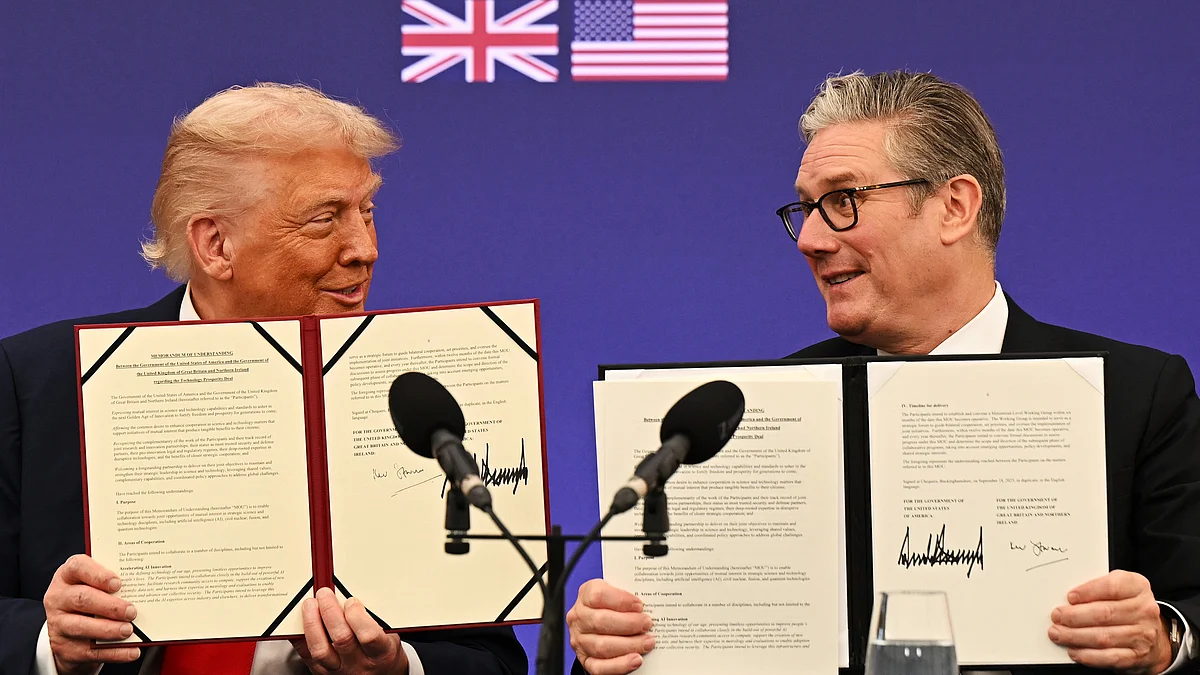


UK Prime Minister Keir Starmer on Wednesday, 15 April pushed back after US President Donald Trump criticised the UK’s refusal to join American strikes on Iran and warned that a trade deal agreed last year could be reviewed.
In an interview with Sky News on Tuesday, Trump said it was “sad” that the so-called special relationship had come under strain despite him agreeing to what he described as a “good” trade deal “which can always be changed”.
The latest remarks triggered political reactions in Westminster, with Liberal Democrat leader Ed Davey questioning whether King Charles III’s planned state visit to the US should proceed in the current circumstances.
Davey and other opposition voices have argued that the visit risks signalling approval of Trump’s rhetoric and foreign policy stance, with some calling for it to be cancelled altogether amid tensions over the Iran conflict.
“My position on the Iran war has been clear from the start. We’re not going to get dragged into this war. It is not our war,” Starmer told the House of Commons.
“A lot of pressure has been applied to me to take a different course, and that pressure included what happened last night. I am not going to change my mind. It is not in our national interest to join this war, and we will not do so,” he said.
Starmer also made clear that the diplomatic tensions would not affect the monarch’s four-day visit, scheduled to begin on 27 April.
“The purpose of the visit is to mark the 250th anniversary of relations between our countries. The monarchy is an important reminder of the long-standing bonds between the UK and the United States, which are greater than any individual office-holder,” he said.
The visit, which comes at a sensitive moment in transatlantic relations, is widely seen as an attempt to stabilise ties strained by disagreements over Iran and Trump’s public criticism of the British government.
Buckingham Palace said the trip would highlight the shared history and long-standing economic, security and cultural links between the two countries. The visit is expected to include engagements in Washington, New York and Virginia, as well as meetings with President Trump.
However, critics argue that proceeding with the visit risks undermining the UK’s diplomatic position amid a widening policy divide with Washington. The king is also expected to address the US Congress, only the second such address by a British monarch after Queen Elizabeth II’s speech in 1991.
Despite calls for reconsideration, Downing Street has indicated that the visit remains an important part of maintaining continuity in bilateral relations, particularly during periods of political disagreement.
The controversy underscores growing unease within sections of British politics over how far the UK should align itself with the US administration’s foreign policy approach, particularly in West Asia.
While some MPs have urged caution in maintaining the ceremonial optics of the “special relationship”, the government maintains that long-term diplomatic ties extend beyond disagreements between current leaders.
With AP/PTI inputs
Join our official telegram channel (@nationalherald) and stay updated with the latest headlines