


Trump ‘willing to end’ Iran military op without opening Hormuz: Report
WSJ says US may defer reopening of key oil route; White House flags diplomatic push and possible role for allies
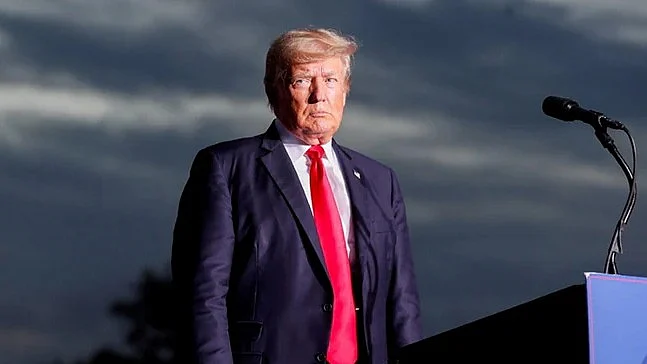


Donald Trump has told aides he is willing to end the ongoing US military operation against Iran even if the Strait of Hormuz remains largely closed, according to a report by The Wall Street Journal, which cited administration officials.
The report said Trump indicated that reopening the key maritime chokepoint—through which a significant share of global oil supplies pass—could be deferred as a “complex operation” for a later stage.
According to the report, the US President assessed that a mission to reopen the Strait could extend the conflict beyond his preferred timeline of four to six weeks.
Shift towards limited objectives
The report said Trump has decided that the US should focus on achieving core military objectives, including weakening Iran’s naval capabilities and missile stockpiles, before scaling down hostilities.
It added that Washington may seek to pressure Tehran through diplomatic means to restore shipping operations, and, if that fails, could ask allies in Europe and the Gulf region to take the lead in reopening the Strait.
The Strait of Hormuz connects the Persian Gulf to the Gulf of Oman and the Arabian Sea and is a critical global energy route. A substantial portion of global oil trade, including a large share of India’s imports, passes through it.
Earlier warnings and escalation
The development comes days after Trump warned Iran that the US could target its power infrastructure if shipping through the Strait was not restored.
Separately, US military actions have continued during the conflict. Reports said the US deployed heavy ordnance, including bunker-buster bombs, in strikes targeting Iranian sites such as Isfahan.
Ongoing conflict
The current conflict began on 28 February after coordinated US and Israeli airstrikes in Iran, following stalled nuclear negotiations and concerns over Tehran’s nuclear activities.
Iran has since carried out retaliatory strikes across the region, with reported impacts in Gulf areas including Dubai, Kuwait, Abu Dhabi, Qatar and Bahrain.
White House Press Secretary Karoline Leavitt said the administration is also considering broader geopolitical and financial aspects of the conflict.
Asked whether Arab countries could contribute to the cost of the war, she said it was “an idea” the President was interested in, adding that Trump would speak further on the issue.
Any decision to wind down military operations without reopening the Strait could have implications for global energy markets and shipping.
The situation remains fluid, with both military and diplomatic developments expected in the coming weeks.
Join our official telegram channel (@nationalherald) and stay updated with the latest headlines