


UN to vote on resolution condemning US embargo on Cuba amid escalating tensions
Annual vote comes as Trump administration intensifies pressure on Havana, with US and Cuban envoys clashing at the UN
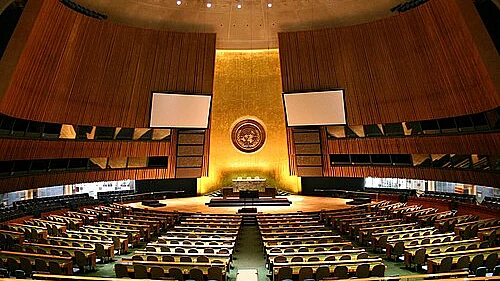


The United Nations General Assembly is set to vote on Wednesday on a resolution condemning the decades-old US economic embargo on Cuba, as the Trump administration intensifies pressure on the island’s socialist government, including threats of possible military intervention.
The annual resolution, which has been presented to the 193-member General Assembly for 34 years, has consistently received overwhelming support. Last year, 165 countries voted in favour, seven opposed it and 12 abstained.
While the resolution is expected to pass by a wide margin this year, it remains unclear whether Washington’s efforts to influence the vote will lead to increased opposition or abstentions, including among its Western allies. Although such resolutions are not legally binding, they reflect international opinion.
The vote comes as Cuba faces a deepening financial crisis amid an intensification of US economic pressure. US President Donald Trump last week again raised the prospect of military intervention, saying American warships could stop in Cuba on their way back from the war with Iran.
US, Cuban envoys clash at UN
Tensions between Washington and Havana spilled into the UN General Assembly on Tuesday, when US Ambassador to the UN Mike Waltz and Cuban Foreign Minister Bruno Rodríguez exchanged heated remarks during a debate on the embargo resolution.
Shortly after Waltz began criticising Cuba’s socialist government, Rodríguez approached the podium where the US envoy was speaking and called him a liar, while seeking to raise a point of order with the presiding official.
“This individual needs to back away from this podium. He's not going to intimidate me in the United States of America,” Waltz said as UN security personnel intervened. “You understand who you're dealing with? This is America. Back up.”
In a post on X, Rodríguez responded by reminding Waltz that he was addressing the UN General Assembly, not attending a national security meeting at the White House.
“With his crude lies at the UN General Assembly, the US government has launched another desperate attempt to justify its economic aggression against Cuba and its criminal energy blockade,” Rodríguez wrote.
A week earlier, Waltz had a similar confrontation with his Cuban counterpart, Ernesto Soberón Guzmán, outside a US-hosted panel featuring Cuban dissidents and former prisoners. The event sought to highlight allegations of repression by the Cuban government.
The confrontations mark a departure from the diplomatic decorum traditionally associated with the United Nations and reflect the increasingly contentious relationship between Washington and Havana.
Decades-old embargo deepens economic crisis
The US first imposed its embargo on Cuba in 1960, following the revolution led by Fidel Castro that overthrew dictator Fulgencio Batista and the subsequent nationalisation of properties belonging to US citizens and corporations.
Cuba has since faced decades of economic and financial difficulties. The crisis has intensified following Trump’s announcement in late January that tariffs would be imposed on countries selling or supplying oil to the island.
The threat has effectively cut off fuel supplies to Cuba, triggering widespread power outages that have disrupted essential services and daily activities, including cooking, water supplies, and internet and telephone connectivity.
Join our official telegram channel (@nationalherald) and stay updated with the latest headlines