


US sanctions Hong Kong, Dubai-linked networks in fresh Iran squeeze
US warns of secondary sanctions, flags suspected misuse of religious charities to fund Iran-linked activities
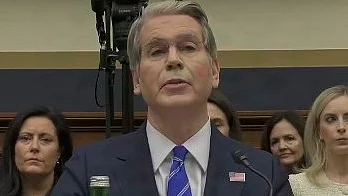


The US sanctioned Iranian-linked banks, an oil intermediary and a Hong Kong firm to disrupt Tehran’s financial networks
Cuba’s state-owned BICSA was sanctioned over alleged links to Iran’s Karafarin Bank
The US warned of secondary sanctions and flagged suspected misuse of religious charities to fund Iran-linked activities
The United States has imposed sanctions on an Iraqi bank, two Iranian offshore banks, a Dubai-based Iranian oil intermediary and a Hong Kong-based front company, while separately blacklisting Cuba’s state-owned Banco Internacional de Comercio S.A. (BICSA), as the Trump administration intensifies its economic pressure on Tehran.
The measures form part of Operation Economic Outcast, a campaign aimed at disrupting Iran’s financial networks, oil revenues and alleged channels for funding its military activities and regional proxies.
“The noose is tightening around Iran’s economy, and not even Iran’s so-called allies can save it,” US treasury secretary Scott Bessent said, vowing to continue targeting financial channels that Washington says sustain the Iranian regime.
According to the US Treasury Department, the networks under scrutiny moved hundreds of millions of dollars through shell companies, brokers and foreign-exchange specialists operating across the West Asia.
One of the prominent individuals designated was Sayyed Ruhollah Razavi, whom the department described as a key oil intermediary responsible for helping Iran sell crude oil and repatriate the proceeds.
Based in Dubai, Razavi allegedly facilitated the shipment of millions of barrels of oil overseas each month on behalf of the National Iranian Oil Company before the US blockade on Iranian oil exports, according to the department.
The Treasury alleged that the networks routed funds through Hong Kong to the United Arab Emirates and Türkiye, where the money was converted into gold and cash before being smuggled into Iran. It also alleged that Mahan Air flights were used to transport funds to Iran and groups Washington identifies as terrorist proxies.
Hong Kong-based Elitesphere Trading Co., Limited was also sanctioned for allegedly transferring funds on behalf of an affiliate of Iran’s Shahr Bank through a network of brokers and front companies.
Sadegh Bavi, an Iranian-Dominican national based in Dubai, was another target. The Treasury identified him as a facilitator associated with Iran’s Islamic Revolutionary Guard Corps-Qods Force (IRGC-QF).
The sanctions also covered Iraq-based International Development Bank for Investment and Finance, which the Treasury accused of providing access to US dollars for Iran.
Two Iranian offshore banking entities — Jazireh International Bank Company and Chabahar International Bank Overseas Company — were also designated as part of Washington’s effort to restrict Tehran’s access to international financial services.
The Treasury warned that foreign financial institutions conducting certain transactions involving the designated individuals and entities could face secondary sanctions.
Such measures can expose non-US institutions to penalties for specified dealings with sanctioned parties, potentially discouraging banks and financial intermediaries from maintaining financial links with them.
In a separate action, US secretary of state Marco Rubio announced sanctions against Cuba’s state-owned Banco Internacional de Comercio S.A. (BICSA).
Rubio said the bank had provided services to Iran’s sanctioned Karafarin Bank since at least 2022, linking the Cuban institution to Tehran’s financial network.
He accused Cuba of allowing hostile foreign actors to operate from its territory and said the Trump administration would not tolerate activities it considers a threat to US national security.
The action adds a Cuban financial institution to Washington’s wider campaign against entities it accuses of supporting Iran or facilitating transactions involving sanctioned organisations.
Alongside the sanctions, the Treasury Department’s Financial Crimes Enforcement Network issued a separate alert urging financial institutions to report suspected Iranian exploitation of religious charitable networks.
The alert highlighted concerns about the possible diversion of khums, a religious contribution paid by some Shia Muslims, from charitable or religious purposes to activities allegedly benefiting Iranian state-linked interests.
Bessent said the administration would continue scrutinising religious institutions and charitable channels that it believes may be used to finance Iran’s leadership or terrorism.
Operation Economic Outcast was announced by Bessent on 24 August. Previous rounds of measures targeted alleged shadow-fleet operations and procurement networks across the UAE, Hong Kong, China and other jurisdictions.
The latest designations broaden the campaign beyond oil shipping and procurement, focusing on banks, intermediaries, shell companies and cross-border financial channels that Washington says help Iran generate, transfer and recover revenue.
The administration has framed the campaign as an effort to weaken Iran’s financial capacity and cut off funding for its military and regional activities. The latest actions also carry potential implications for foreign banks and businesses that maintain dealings with designated entities.
The sanctions and related allegations reflect the US government’s stated assessment of the targeted networks. The designations do not, by themselves, establish that every allegation has been independently proven in court.
With IANS inputs
Join our official telegram channel (@nationalherald) and stay updated with the latest headlines