


US denies Iranian strike on US vessel amid push to reopen Strait of Hormuz
US begins escorting merchant ships as UAE issues fresh missile alert; tensions rise despite fragile ceasefire
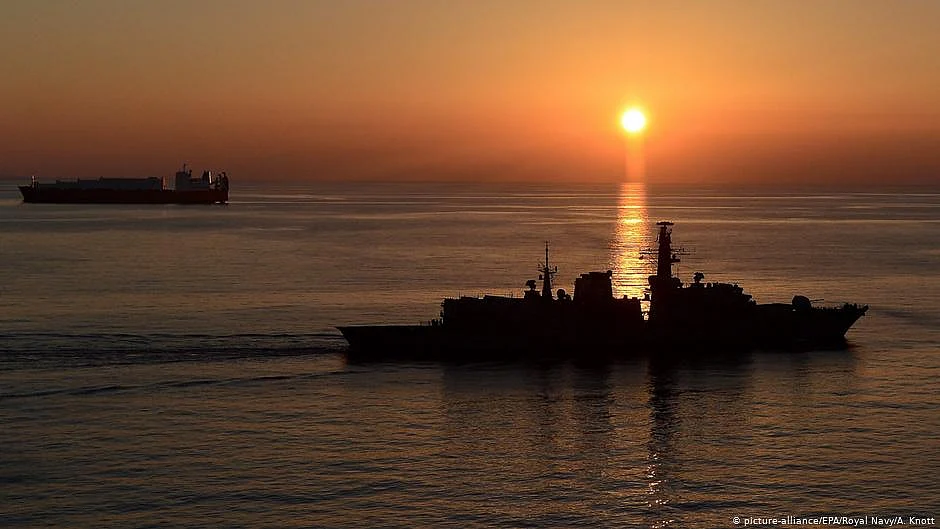


The US Central Command on Monday rejected Iranian claims that it had struck an American naval vessel, even as Washington stepped up efforts to restore commercial shipping through the Strait of Hormuz, where traffic has been severely disrupted by the ongoing conflict.
The US military said “no US Navy ships have been struck”, countering reports by Iranian media that Tehran had targeted a vessel near its southeastern coast and forced it to retreat.
US begins guided transit for merchant ships
US officials said two American-flagged merchant vessels had successfully passed through the strait under naval escort, marking the first such movement since hostilities intensified.
Guided-missile destroyers operating in the Persian Gulf are assisting in securing maritime routes as part of a new initiative aimed at restoring global shipping flows.
The US military described the operation as part of “Project Freedom”, under which naval assets are being deployed to facilitate safe transit for commercial vessels.
UAE issues missile alert
Shortly after the US announcement, authorities in the United Arab Emirates issued an emergency missile alert, urging residents to seek shelter.
It marked the first such alert since a ceasefire in the Iran war came into effect in early April. There were no immediate reports of casualties or damage.
Iran disputes US narrative
Iranian news agencies, including Fars and the Iranian Labour News Agency, had earlier claimed that Iranian forces struck a US vessel for allegedly violating maritime norms.
The reports suggested the vessel was forced to turn back, but US officials dismissed the claims as inaccurate.
Tehran has also criticised the US initiative to escort ships, calling it a violation of the fragile ceasefire that has held for over three weeks.
High-stakes maritime standoff
The US plan, announced by Donald Trump, could involve significant military resources, including guided-missile destroyers, over 100 aircraft and around 15,000 personnel.
A US-led maritime coordination centre has advised ships to transit through Omani waters under enhanced security arrangements.
However, uncertainty remains over whether shipping companies and insurers will resume operations, given repeated Iranian attacks and threats targeting vessels in the waterway.
Strategic pressure point in global energy supply
Iran’s control over traffic in the Strait of Hormuz — through which a significant portion of global oil and gas passes — has emerged as a key strategic lever in the conflict.
By disrupting shipping, Tehran has been able to exert pressure on global energy markets despite facing superior military force from the US and its allies.
The evolving maritime confrontation underscores the fragile nature of the ceasefire and the risk of renewed escalation in one of the world’s most critical energy corridors.
Join our official telegram channel (@nationalherald) and stay updated with the latest headlines