


US downs Iranian drone in Arabian Sea as tensions rise ahead of planned nuclear talks
Incident near USS Abraham Lincoln fuels uncertainty, but diplomatic efforts appear to continue for now
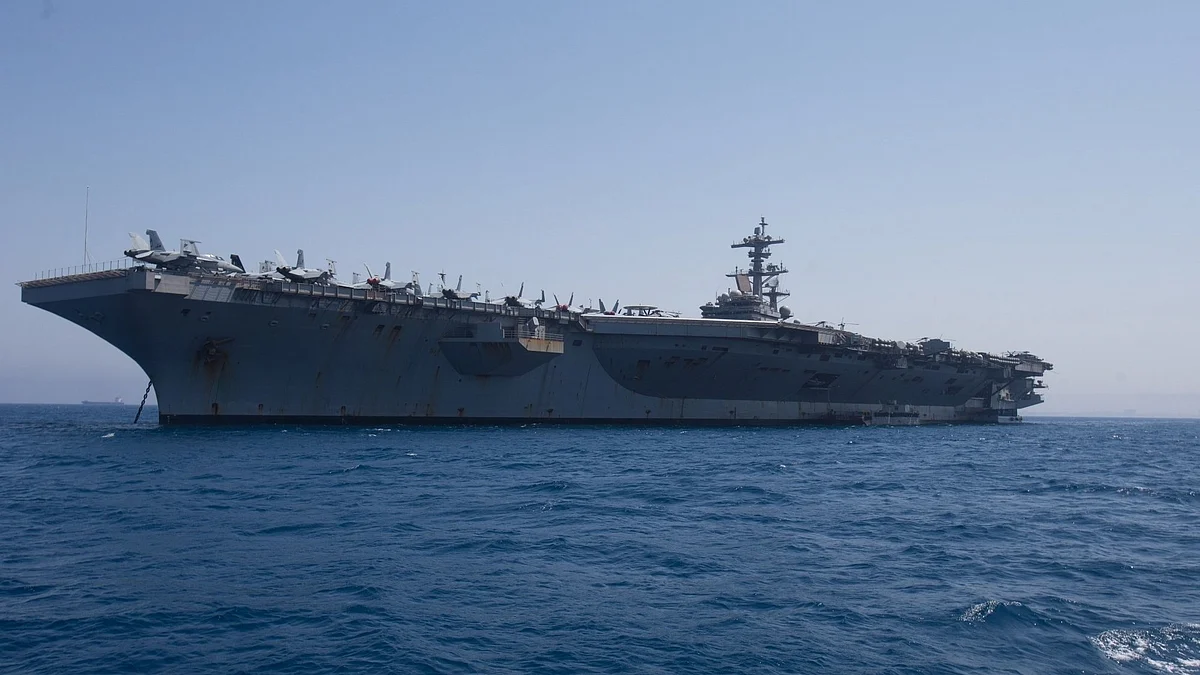


Relations between Washington and Tehran have flared again after the United States said one of its Navy fighter jets shot down an Iranian drone that approached an American aircraft carrier in the Arabian Sea early on Tuesday, raising fresh questions over the fate of long-anticipated nuclear negotiations.
The US military said the drone was destroyed in self-defence to protect the aircraft carrier USS Abraham Lincoln and its crew. According to US Central Command, an F-35C fighter jet launched from the carrier intercepted the Shahed-139 drone as it flew “aggressively” towards the vessel, which was operating about 500 miles off Iran’s southern coastline.
Iranian state media later acknowledged the incident, saying one of its drones had carried out a surveillance mission in international waters, without directly addressing the US account of the shoot-down.
The drone incident followed another confrontation in the strategically vital Strait of Hormuz. US officials said Iranian forces harassed a US-flagged, US-crewed merchant tanker, the Stena Imperative, with two fast boats and a Mohajer drone. The vessels allegedly approached at high speed and threatened to board and seize the ship before pulling away.
Despite the heightened tensions, both sides have so far stopped short of cancelling talks expected later this week. Iran’s president said on Tuesday that he had instructed the country’s foreign minister to pursue what he described as “fair and equitable” negotiations with the United States, signalling a willingness to engage diplomatically even as tensions simmer.
Efforts to bring Washington and Tehran to the table have been led largely by Turkey, which has been working behind the scenes to facilitate discussions. A Turkish official said the precise venue was still under discussion but confirmed Ankara’s readiness to support the process.
Foreign ministers from several regional countries, including Oman, Pakistan, Qatar, Saudi Arabia and the United Arab Emirates, have also been invited to attend, reflecting broader concern that the standoff could escalate into a wider geopolitical crisis.
However, Iran has reportedly pushed back on some elements of the plan. According to Reuters, Tehran wants the venue shifted from Turkey to Oman and has called for the agenda to be limited strictly to bilateral nuclear issues, rather than broader regional security concerns.
US President Donald Trump struck a mixed tone this week, warning that “bad things” could happen if a deal with Iran is not reached, while also saying that negotiations are already under way.
For now, diplomats appear to be pressing ahead, even as the latest military encounter underscores how quickly the fragile situation between the two rivals can deteriorate.
With agency inputs
Join our official telegram channel (@nationalherald) and stay updated with the latest headlines