


US intensifies Ebola safeguards as Congo outbreak worsens
Washington says federal agencies are working to stop infections reaching American soil amid escalating crisis in DR Congo
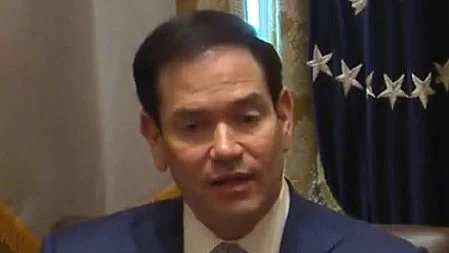


The United States is stepping up efforts to prevent Ebola from entering the country as health authorities battle a rapidly spreading outbreak in parts of Central Africa, Secretary of State Marco Rubio has said.
Speaking during a Cabinet meeting chaired by President Donald Trump at the White House on Wednesday, Rubio said the administration was coordinating an aggressive response to contain the virus and protect Americans from potential exposure.
“We cannot and will not allow any cases of Ebola to enter the United States,” Rubio said, adding that multiple federal agencies were involved in monitoring and containment measures.
According to Rubio, the State Department is working alongside the Centres for Disease Control and Prevention (CDC), the Department of Health and Human Services (HHS) and other agencies to support efforts in affected regions, particularly in the Democratic Republic of Congo (DRC).
“We’ve surged assistance to make sure that that is being contained there,” he said.
US authorities are also increasing surveillance of international travel and border movements to reduce the risk of infected individuals entering the country. Rubio said Americans should be reassured that the administration was taking every possible precaution.
The comments came as the Trump administration highlighted wider national security and border enforcement priorities during the Cabinet meeting, which also focused on immigration, Iran, energy policy and defence spending.
Rubio said protecting US citizens remained the “number one priority” of American foreign policy. Earlier in the meeting, he noted that Washington had reached agreements with 20 countries to accept deportees from the United States as part of tighter immigration controls.
The renewed focus on Ebola follows mounting concern over the worsening outbreak in the DRC, where officials say more than 900 suspected cases and at least 223 suspected deaths have been recorded since the outbreak was declared on 15 May.
The World Health Organization (WHO) has warned that the disease may be spreading more quickly than first anticipated and has declared the outbreak a public health emergency of international concern.
ebola
WHO Director-General Tedros Adhanom Ghebreyesus said response teams were “playing catch-up” as efforts to contain the virus struggled to keep pace with the growing number of cases.
The outbreak has primarily affected Ituri province, although cases have also been reported in North and South Kivu provinces and neighbouring Uganda, where seven confirmed infections have been identified.
Johnny Luboya Nkashama, the military governor of Ituri province, described the crisis as a “war” for which local authorities lacked sufficient resources.
“Our existing resources were dedicated to the war, and this second war that is now upon us demands even more,” he told French broadcaster RFI.
Nkashama said overcrowding, food shortages and limited medical capacity were worsening the situation. He called for the urgent deployment of qualified personnel and the establishment of secure treatment centres to prevent the province from “descending into catastrophe”.
Tensions have also risen around treatment facilities, with angry relatives reportedly targeting two centres while attempting to recover the bodies of family members believed to have died from Ebola.
Ebola is a highly infectious viral disease spread through direct contact with infected bodily fluids. Severe outbreaks can have high fatality rates and often trigger international concern because of the risk of cross-border transmission through global travel.
The United States has previously introduced enhanced airport screening and international medical support during earlier Ebola outbreaks in West and Central Africa.
India is also closely monitoring developments due to increasing international travel links with Africa and the Middle East.
With IANS inputs
Join our official telegram channel (@nationalherald) and stay updated with the latest headlines