


US says 'slight progress' in Iran talks as Trump delays military action
Ceasefire efforts continue amid tensions with Israel, Strait of Hormuz blockade and reports of Gulf strikes on Iran
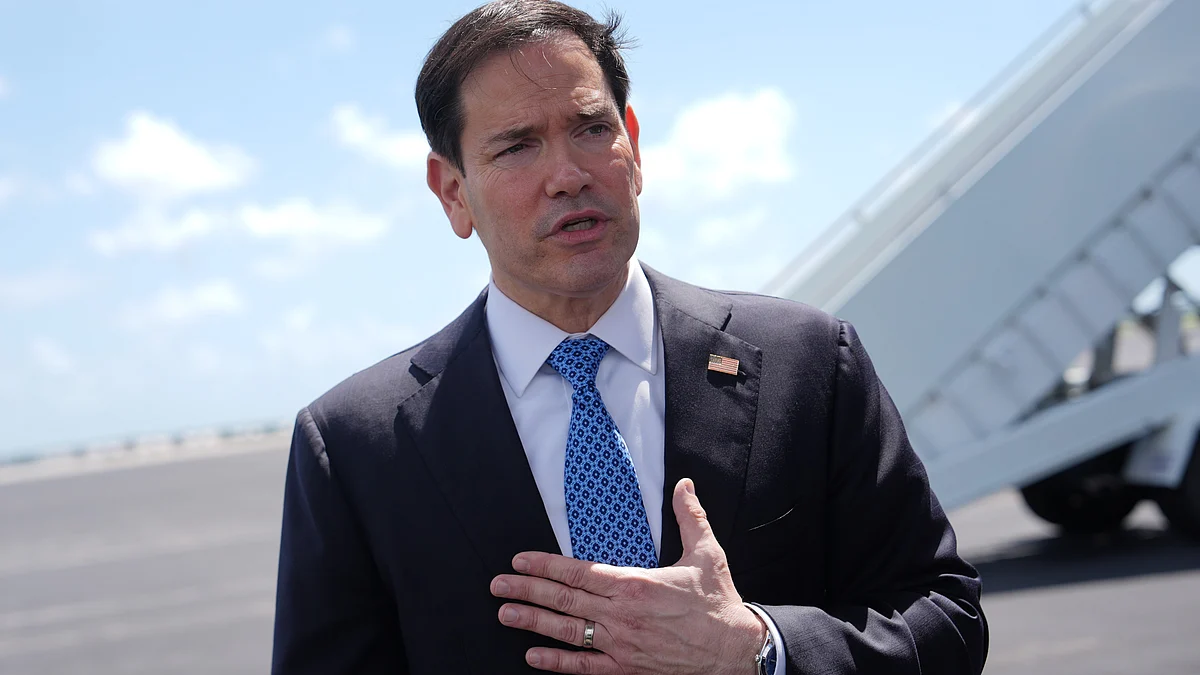


US Secretary of State Marco Rubio said on Friday there had been “slight progress” in talks with Iran, while cautioning that it remained unclear whether a deal would be reached or conflict would resume.
Rubio’s remarks came days after US President Donald Trump said he had paused plans for military action against Iran because “serious negotiations” were underway. Trump has repeatedly warned that the mid-April ceasefire could collapse if Tehran failed to reach an agreement with Washington.
Speaking ahead of a NATO foreign ministers’ meeting in Helsingborg, Sweden, Rubio said he did not want to overstate developments but acknowledged “a little bit of movement”.
“There have been ongoing conversations,” he said, even as weeks of reported progress have yet to produce a breakthrough.
Trump has frequently imposed deadlines on Iran before extending them. He has also alternated between backing diplomacy and threatening force, including at the outset of the conflict when he authorised strikes in late February after initially signalling talks would continue.
This week, Trump said he shelved planned attacks on Iran at the urging of regional allies, including leaders of Qatar, Saudi Arabia and the UAE, all of whom have faced threats from Iran or Iran-backed groups.
The decision, however, reportedly strained ties with Israeli Prime Minister Benjamin Netanyahu. A US official familiar with the matter said Trump and Netanyahu had a “dramatic” phone call on Tuesday over the status of negotiations, with Israel frustrated by Washington’s push for a deal.
Trump later told reporters Netanyahu would “do whatever I want him to do”, in one of the clearest public signs of differences between the two leaders since the war began in February.
Meanwhile, Pakistan said its interior minister visited Tehran twice this week to meet Iranian leaders as part of efforts to reduce tensions. Foreign Ministry spokesperson Tahir Andrabi said Islamabad’s civilian and military leadership were engaged in peace initiatives, adding that Prime Minister Shehbaz Sharif’s upcoming four-day visit to China could also involve discussions on the crisis.
Key disputes remain unresolved. Iran has effectively shut the Strait of Hormuz, disrupting a critical route for oil, gas and other exports, while the US says it has blockaded Iranian ports and diverted 85 commercial vessels since mid-April.
Washington and Israel insist Iran must never obtain a nuclear weapon. While Tehran has reportedly offered some nuclear concessions, Trump has demanded the removal of highly enriched uranium and guarantees that Iran cannot build nuclear arms. Iran maintains its nuclear programme is peaceful.
Separately, two regional officials, a western diplomat and an Israeli military officer told the Associated Press that Saudi Arabia and the UAE carried out separate strikes on Iran and Iran-backed militias in Iraq during the conflict.
According to the officials, the attacks targeted Iranian military infrastructure, including missile and drone launch sites linked to the Revolutionary Guard Corps. Saudi strikes allegedly focused on Iraqi militia positions, particularly Kataib Hezbollah, after Riyadh concluded that many drone attacks on Saudi territory originated from Iraq.
The UAE, according to one official and the diplomat, had advocated a coordinated Gulf Arab military response since the war began.
Responding to the reports, the UAE referred to an earlier Foreign Ministry statement saying its actions were defensive measures aimed at protecting national sovereignty, civilians and infrastructure. Saudi Arabia did not comment, while Iran has not publicly addressed the allegations.
Iraq, after claims that attacks on Saudi Arabia and the UAE originated from its territory, said its prime minister had ordered an investigation. Baghdad did not comment further.
With AP/PTI inputs
Join our official telegram channel (@nationalherald) and stay updated with the latest headlines