


US-Ukraine peace blueprint almost final, says Zelenskyy
Ukraine backs most of US peace plan, but Donbas territory and Zaporizhzhia nuclear plant remain unresolved
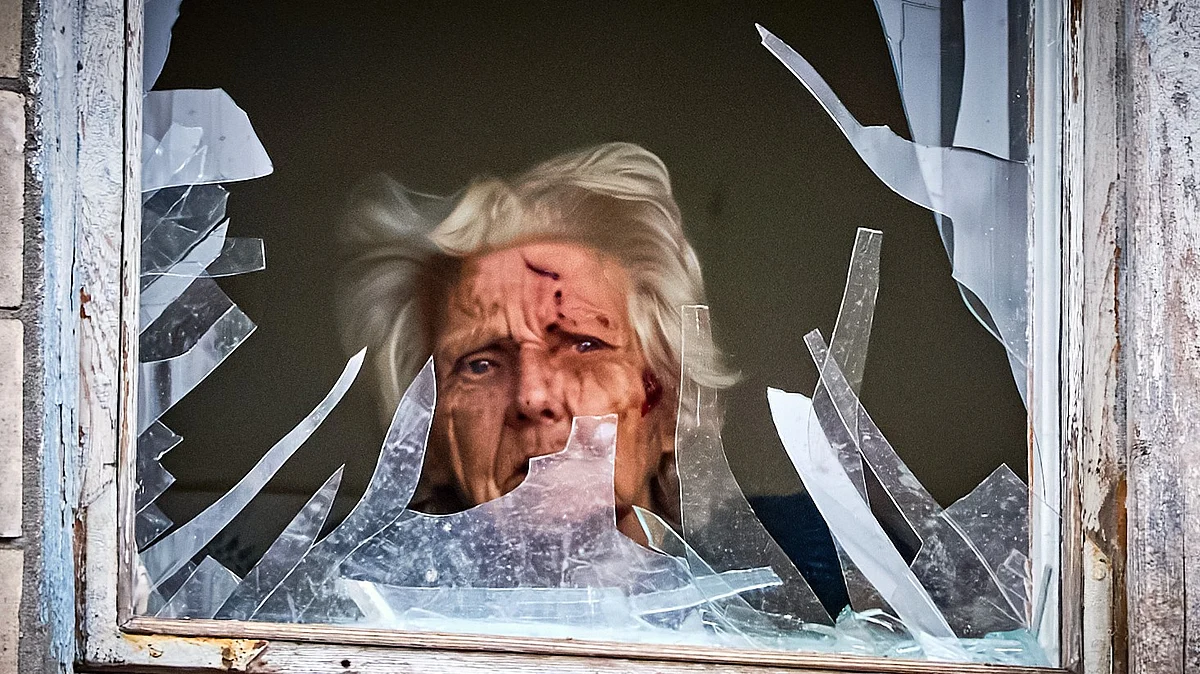


The United States and Ukraine have reached broad agreement on most elements of a US-backed plan aimed at ending the nearly four-year Russia-Ukraine war, but sharp differences remain over territorial control in eastern Ukraine and the future of Europe’s largest nuclear power station, Ukrainian President Volodymyr Zelenskyy said.
Speaking as Washington formally presented the 20-point proposal to Russian negotiators, Zelenskyy said Kyiv was still waiting for Moscow’s response, expected on Wednesday. The plan was finalised after marathon talks in Florida and reflects Ukraine’s priorities while blending political and commercial elements intended to lock in security and economic recovery.
Zelenskyy briefed journalists on the contents of the draft on Tuesday, with his remarks released on Wednesday due to an embargo. He said most points had been aligned between Kyiv and Washington, but two issues — eastern territories and the Zaporizhzhia Nuclear Power Plant — remain unresolved.
Donbas: the hardest problem
At the centre of the negotiations is the status of Ukraine’s eastern industrial belt — the Donbas — encompassing the Donetsk and Luhansk regions. Zelenskyy described this as “the most difficult point” in the talks, saying it would ultimately require discussion at the level of national leaders.
Russia continues to push what Kyiv describes as maximalist demands, insisting that Ukraine surrender the remaining parts of Donbas it still controls — a position Ukraine has flatly rejected. Russian forces currently occupy most of Luhansk and roughly 70 per cent of Donetsk.
To bridge the gap, the United States has floated the idea of converting contested areas into free economic zones. Ukraine, however, insists that any such arrangement must be approved by a referendum, giving Ukrainians the final say. Kyiv is also demanding demilitarisation of the area and the deployment of international forces to guarantee stability.
“We are against leaving,” Zelenskyy said, explaining that Washington was exploring formats — such as a demilitarised or free economic zone — that might accommodate both sides without forcing Ukraine to abandon territory.
Under the draft, the current contact line cutting across five Ukrainian regions would be frozen once an agreement is signed. Kyiv says any referendum would require a 60-day window, during which hostilities must cease to allow the vote to take place.
Further negotiations would be needed to determine how far troops on both sides would withdraw and where international forces would be stationed. The draft also calls for Russian troops to pull back from the Dnipropetrovsk, Mykolaiv, Sumy and Kharkiv regions, with international forces deployed along the contact line to monitor compliance.
“Since there is no faith in the Russians, and they have repeatedly broken their promises, international forces must ensure that no one crosses that line — neither ‘little green men’ nor soldiers disguised as civilians,” Zelenskyy said.
A fight over Zaporizhzhia
The future of the Zaporizhzhia nuclear power plant, under Russian occupation since early in the war, is the other major sticking point. Washington has proposed a tripartite consortium involving Ukraine, the US and Russia, with each holding an equal 33 per cent stake and the Americans acting as lead managers.
Zelenskyy said Kyiv found the idea deeply problematic. “How can you have joint commerce with the Russians after everything?” he asked, calling the proposal unrealistic.
Ukraine has countered with a joint venture between Kyiv and Washington alone, under which the US would control 50 per cent of the project and decide independently how to distribute its share — potentially to Russia.
Kyiv is also proposing that Enerhodar, the occupied city linked to the plant, be turned into a demilitarised free economic zone. Zelenskyy said talks on the plant alone consumed around 15 hours, underlining how complex the issue remains. Restarting the facility would require billions of dollars in investment, including repairs to the nearby dam.
“We did not reach consensus with the American side on Donetsk territory or on the Zaporizhzhia plant,” Zelenskyy said. “But on almost everything else, our positions have come significantly closer.”
Security guarantees, economy and elections
The draft includes a separate annexe on security guarantees for Ukraine, designed to mirror NATO’s Article 5 commitments. Zelenskyy said these guarantees would be detailed in a bilateral agreement with the US, setting out clear conditions for assistance in the event of renewed Russian aggression and establishing a mechanism to monitor any ceasefire.
That mechanism would rely on satellite surveillance and early-warning systems. According to Zelenskyy, Washington views the guarantees as an unprecedented step towards Ukraine.
Other provisions include maintaining Ukraine’s armed forces at around 800,000 personnel in peacetime and fixing a specific timeline for Ukraine’s accession to the European Union.
Economically, the plan proposes fast-tracking a free trade agreement between Ukraine and the US after the deal is signed — with Washington seeking a similar arrangement with Russia. Kyiv is also pushing for privileged short-term access to European markets and a global development package covering sectors from technology and data centres to artificial intelligence and gas.
A reconstruction and development fund would channel investment into war-ravaged regions, with Ukraine retaining control over how its share of funds is allocated in territories it governs. The aim, Zelenskyy said, is to mobilise up to $800 billion through a mix of equity, grants, loans and private capital.
The proposal also envisages Ukraine holding elections after the agreement is signed — an idea Zelenskyy described as reflecting “the partners’ vision”.
Finally, Kyiv is demanding the release of all prisoners held since 2014, including civilian detainees, political prisoners and children forcibly taken from Ukrainian territory.
With AP/PTI inputs
Join our official telegram channel (@nationalherald) and stay updated with the latest headlines