


Venezuela still ‘uninvestable’, say US oil bosses despite Trump’s zeal
Executives cite sanctions, political risk and past asset seizures as White House seeks rapid investment after Maduro’s ouster
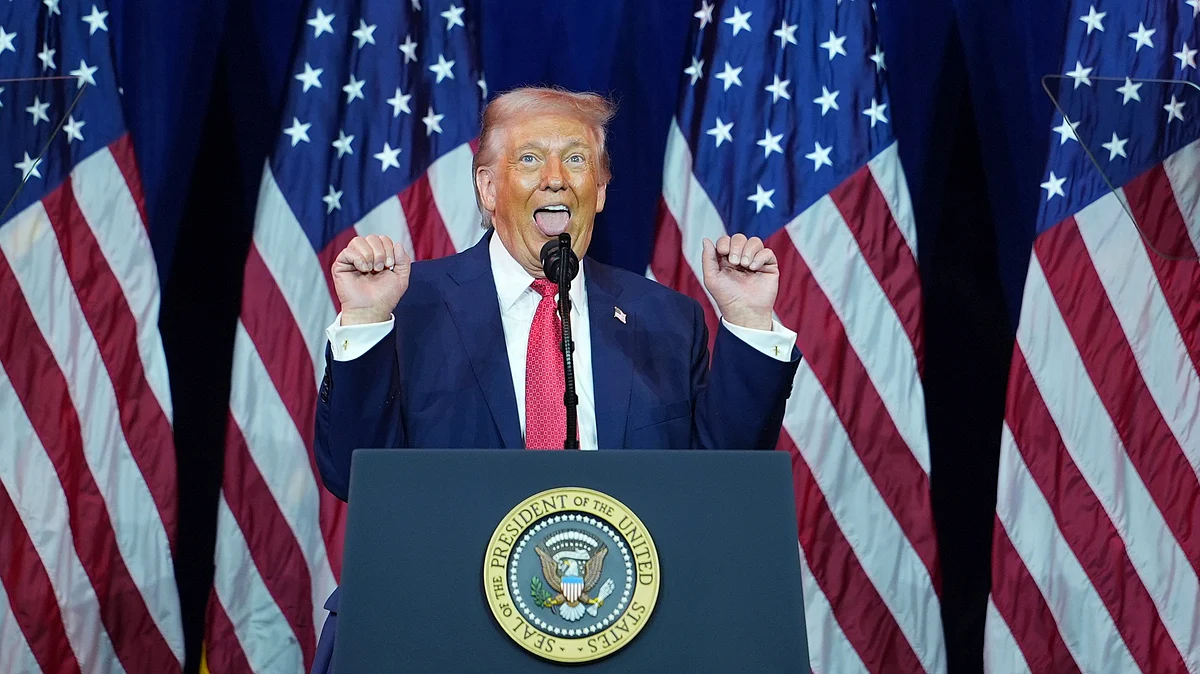


US President Donald Trump’s bid to mobilise at least $100 billion in investment from American oil companies to revive Venezuela’s energy sector has met with a cautious response from industry leaders, who warned that the country remains “uninvestable” amid political instability, sanctions and legal uncertainty.
At a meeting at the White House, chiefs of major US oil firms acknowledged that Venezuela’s vast reserves present a long-term opportunity but said sweeping changes would be required before large capital commitments could be considered. No major financial pledges were announced.
Trump has said his administration intends to “unleash” Venezuela’s oil potential following the January 3 operation in Caracas that led to the capture of President Nicolás Maduro. He told executives that opening the sector would help bring down global energy prices and signalled that Washington would decide which companies are allowed to operate in the country.
“We are open for business,” Trump said, adding that companies would deal directly with the US rather than Venezuelan authorities.
Industry leaders, however, stressed that past experience and present conditions argue for restraint. ExxonMobil chief executive Darren Woods said his company had twice seen its assets seized in Venezuela and that any return would require “significant changes” to the investment climate. “Today it’s uninvestable,” he said.
Chevron is currently the only major US oil company still operating in Venezuela, accounting for roughly a fifth of the country’s output. Firms from other countries, including Spain’s Repsol and Italy’s Eni, remain active and were represented at the White House talks. Chevron indicated it expects to expand production gradually, while Exxon said it plans to send a technical team to assess conditions.
The White House has said it is working to “selectively” roll back US sanctions that have restricted Venezuelan oil sales, while coordinating with the interim authorities led by former vice-president Delcy Rodríguez.
Officials have also made clear that Washington intends to exert oversight over exports, with proceeds potentially routed through US-controlled accounts to maintain leverage over Caracas.
In recent days, the US has seized several tankers carrying sanctioned Venezuelan crude, underlining the administration’s intent to tightly manage the sector’s reopening.
Despite Trump’s push, analysts say the gap between political ambition and commercial reality remains wide. Venezuela’s oil industry has been battered by years of mismanagement, underinvestment and sanctions, with output now around one million barrels a day — less than 1 per cent of global supply and far below its historical peaks.
David Goldwyn, president of the consultancy Goldwyn Global Strategies and a former US state department envoy on energy, said executives were being supportive in tone but cautious in substance. “They are being as polite as humanly possible without committing actual dollars,” he said, adding that large firms would not invest billions without guarantees of physical security, legal certainty and a competitive fiscal regime.
Energy consultancy Rystad Energy estimates that tripling production by 2040 would require $8–9 billion in new investment each year. While Trump has floated a headline figure of $100 billion, analysts say such a scale of funding would likely depend on subsidies and sustained political stability — conditions that are far from assured.
Repsol said it could see a pathway to significantly raise output under the right conditions, while smaller independent producers suggested they were more eager to move quickly. Even so, experts caution that early investments are more likely to run into tens of millions of dollars rather than the tens of billions needed for a transformative revival.
For now, the industry consensus is that Venezuela’s oil riches remain tempting but risky — and that any meaningful return of big US capital will depend on whether Washington can deliver the stability and legal protections companies say are essential before they will bet on the country again.
Join our official telegram channel (@nationalherald) and stay updated with the latest headlines