


‘World has accepted our victory’: Iran’s President Pezeshkian as Hormuz remains closed
Pezeshkian says Iran’s control of Strait and refusal to accept US demands amount to victory as Washington threatens unprecedented economic pressure
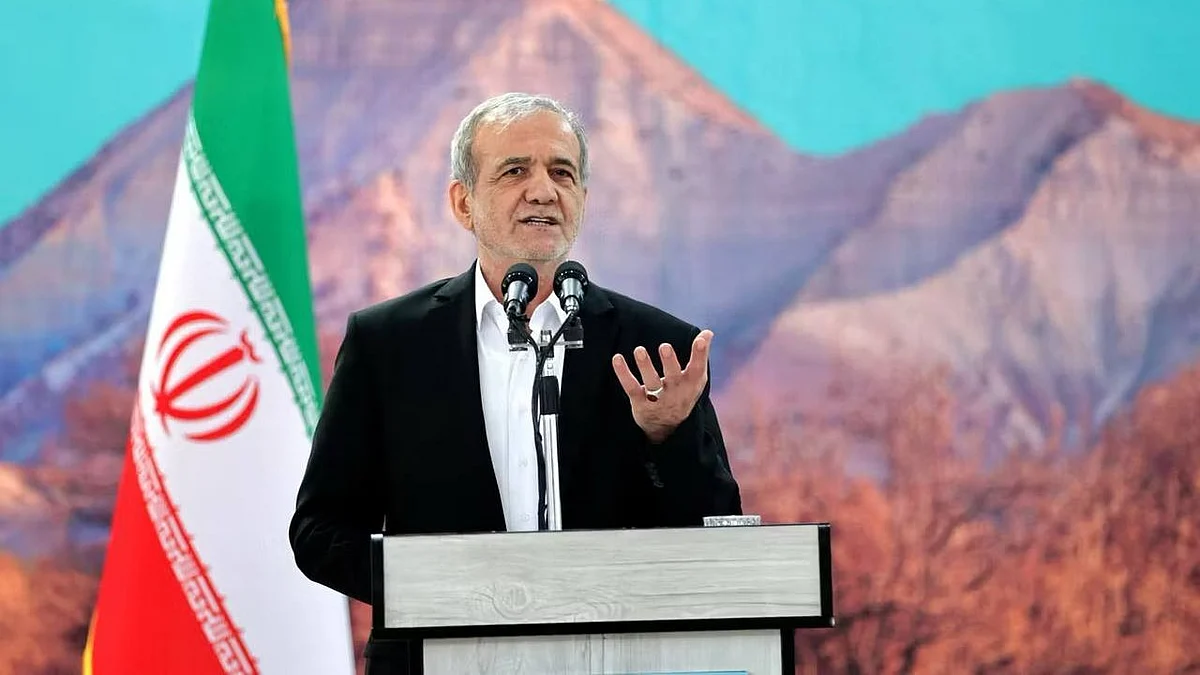


Iranian President Masoud Pezeshkian has said the world has accepted that Iran won its war with the United States, as Tehran continues to regard its control over the Strait of Hormuz and its refusal to yield to US demands as evidence of victory.
“The entire world approved our victory and the US is hated,” Pezeshkian said, according to Iran’s state-run IRNA news agency.
His remarks came as the Strait of Hormuz remains effectively closed to oil and natural gas tankers, nearly six months after the United States and Israel launched their war with Iran.
Pezeshkian said the conflict should now come to an end, arguing that Iran had already achieved victory.
US threatens economic pressure
The comments came as the Trump administration stepped up its economic pressure campaign against Tehran.
US President Donald Trump has announced what he described as an “unprecedented” level of economic warfare and isolation against Iran, with Washington seeking to force the Iranian leadership to accept demands to end its nuclear programme and fully reopen the Strait of Hormuz.
The administration has described the campaign as an “economic D-Day” aimed at putting maximum financial pressure on Tehran.
Iran, however, has continued to present its ability to restrict shipping through the strategic waterway and resist US demands as a major achievement in the conflict.
France, Saudi Arabia discuss alternatives to Hormuz
Meanwhile, France and Saudi Arabia are expected to discuss plans to bypass the Strait of Hormuz, which has become a major source of disruption to global energy supplies since the conflict began.
The developments come amid wider diplomatic and security tensions across the Middle East, with countries seeking alternatives to the crucial shipping route.
US envoy's Golan remarks raise questions
Separately, remarks by the US ambassador to Türkiye and special envoy for Syria have appeared to differ from the official US position on the Golan Heights.
The comments have raised questions over Washington’s position on the disputed territory as diplomatic efforts and tensions continue across the region.
The latest developments come as the war between Iran, the US and Israel continues to reshape regional security and global energy routes, with the future of the Strait of Hormuz remaining a central issue in efforts to end the conflict.
Join our official telegram channel (@nationalherald) and stay updated with the latest headlines