


Air quality panel backs tougher particulate emission cap for industries in Delhi-NCR
Commission for Air Quality Management suggests uniform 50 mg/Nm³ limit to curb industrial pollution in the region
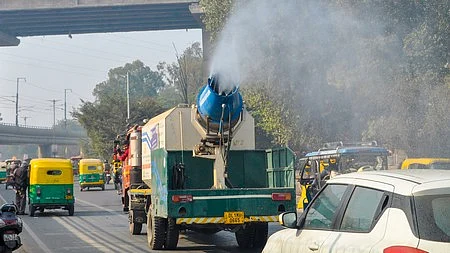


The Commission for Air Quality Management in NCR and adjoining areas (CAQM), the statutory body tasked with tackling air pollution in the National Capital Region, has issued a direction proposing stricter particulate matter (PM) emission standards for industries across Delhi-NCR.
Under the proposal, a uniform PM emission limit of 50 milligrams per normal cubic metre (mg/Nm³) will apply to a range of identified industrial sectors. Industrial stack emissions are considered a major contributor to elevated particulate levels in the region and also play a role in the formation of secondary pollutants that worsen air quality.
The commission said that stronger controls on industrial sources are essential to address persistent pollution in Delhi-NCR. Since its formation, it has mandated a shift to cleaner fuels, prescribed emission standards for biomass- and fuel-based boilers and furnaces, and notified approved fuel lists through statutory directions.
The decision to tighten the PM standard follows recommendations by the Central Pollution Control Board (CPCB), based on a study conducted by IIT Kanpur and further inputs from a CPCB-constituted technical committee. The Commission concluded that a 50 mg/Nm³ benchmark is both technically achievable and environmentally necessary.
The revised cap will apply to 17 categories of highly polluting industries identified by the CPCB, Red Category (medium and large) air-polluting industries, as well as food and food processing units, textile units operating boilers or thermic fluid heaters, and metal industries using furnaces in Delhi-NCR.
Industries that are already subject to stricter PM limits under existing consents or statutory provisions will not be affected.
The new norms will come into force for large and medium industries from 1 August, and for other covered units from 1 October.
The governments of Haryana, Uttar Pradesh and Rajasthan, along with the Government of the National Capital Territory of Delhi and their respective pollution control authorities, have been directed to ensure timely implementation. They have also been asked to undertake intensive information and awareness campaigns to help stakeholders comply with the revised standards.
The Commission said the move is expected to significantly reduce industrial emissions, benefit residents living near industrial clusters and contribute to sustained improvements in regional air quality.
With IANS inputs
Join our official telegram channel (@nationalherald) and stay updated with the latest headlines