


Bengal moves SC against remission granted to 1993 Bowbazar blast convict
State challenges Delhi High Court order directing release of life convict Md. Rashid Khan after more than 33 years in prison
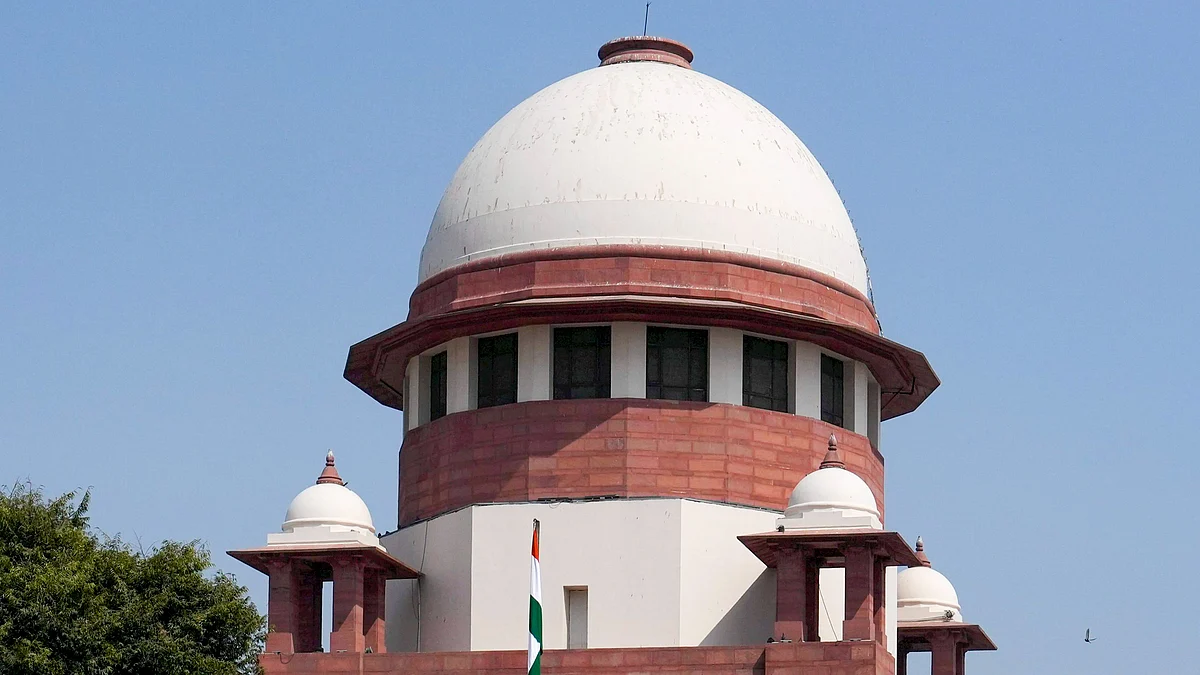


The West Bengal government has approached the Supreme Court challenging a Delhi High Court order that granted remission to Md. Rashid Khan, a life convict in the 1993 Bowbazar bomb blast case and directed his release from prison after more than three decades of incarceration.
The matter was mentioned before Chief Justice of India Surya Kant on Thursday, with counsel representing the state seeking an urgent hearing on the petition. The CJI assured that the special leave petition filed by the West Bengal government would be considered for an early listing.
The challenge comes days after the Delhi High Court ordered Khan's premature release, holding that he had served over 33 years in prison and had demonstrated significant reform during his incarceration.
In its 5 June judgment, a single-judge Bench of justice Neena Bansal Krishna ruled that continued imprisonment would serve little purpose, noting that the principles of reformative justice favoured his release. The court observed that Khan's prison record reflected exemplary conduct and that there was a low likelihood of him reoffending, given his age and medical condition.
Khan was convicted under provisions of the Indian Penal Code, the Explosive Substances Act and the Terrorist and Disruptive Activities (Prevention) Act (TADA) in connection with the 1993 Bowbazar blast. He has remained in custody since March 1993.
The high court also took note of his conduct during parole periods, observing that he had returned to prison on time on each occasion. It further held that the gravity of the offence alone could not be the sole basis for denying remission when other eligibility criteria had been satisfied.
The court referred to the case of co-convict Pannalal Jaysoara, who had previously been granted remission, and said that while parity could not be claimed as an automatic right, similar considerations were relevant in assessing Khan's plea.
The West Bengal government has opposed the release, maintaining that Khan was the principal conspirator behind the blast and arguing that the crime had a profound impact on society. The state also pointed to objections raised by law enforcement authorities against any premature release.
Court records show that the State Sentence Review Board had recommended Khan's premature release in 2015. However, the proposal was later withdrawn amid legal questions concerning remission powers in cases prosecuted under TADA.
Concluding that the objectives of punishment had been substantially fulfilled after more than three decades of imprisonment, the Delhi High Court directed Khan's immediate release, provided he was not required in any other criminal case.
The Supreme Court is now expected to examine the West Bengal government's challenge to that decision.
With IANS inputs
Join our official telegram channel (@nationalherald) and stay updated with the latest headlines