


Chhattisgarh forest authorities launch large-scale community-led water conservation drive
Balodabazar division plans 1.26 lakh water conservation structures across 56 villages under watershed management initiative
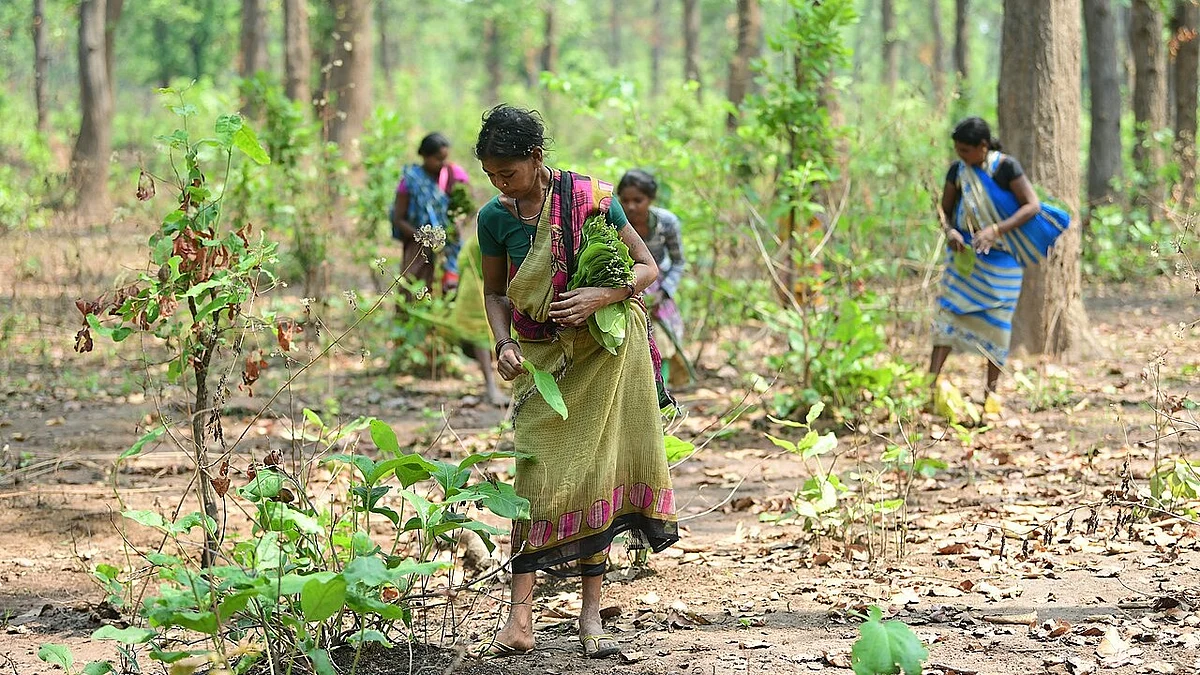


Forest authorities in Chhattisgarh’s Balodabazar-Bhatapara district have launched a large-scale community-driven water conservation campaign aimed at improving groundwater recharge, strengthening forest ecosystems and turning water management into a mass public movement.
The initiative, titled ‘Jal Sanchay Jan Bhagidari’, is being implemented across 56 forest villages in alignment with the Centre’s ‘Catch the Rain’ campaign and targets the construction of around 1.26 lakh water conservation structures during 2026–27.
According to Dhammshil Ganveer, the campaign seeks to create a sustainable conservation model by integrating forests, water resources and local communities through watershed-based planning and public participation.
“The ‘Jal Sanchay Jan Bhagidari’ campaign aims to develop a sustainable conservation model by integrating water, forests and local communities,” Ganveer told PTI.
Community mobilisation central to campaign
Officials said preparations for the programme began in 2025 through a public awareness initiative called ‘Jal Jungle Yatra’, under which more than 20 outreach journeys were organised across the forest division.
The campaign witnessed participation from school students, local youth, elected representatives, village communities and environmental volunteers. Authorities said the effort was designed to build public ownership over water conservation and ecological protection.
Also Read: The irreversible course of damage
So far, nearly 20,000 structures have already been completed under the programme. These include loose boulder check dams, continuous contour trenches, staggered contour trenches and other rainwater retention systems.
The conservation works are being carried out under CAMPA (Compensatory Afforestation Fund Management and Planning Authority) and VB G-RAM-G schemes, which officials said are also generating employment opportunities for local villagers and supporting rural livelihoods.
Focus on Mahanadi basin rejuvenation
A major component of the initiative involves rejuvenation of the Mahanadi River basin and connected forest catchment areas within the district.
According to forest officials, treatment work is currently underway across 17 streams linked to the Mahanadi catchment zone. The objective is to retain rainwater for longer periods, reduce surface runoff and increase groundwater recharge in nearby areas.
Authorities said the measures are expected to improve moisture retention in forest landscapes while increasing water availability in wells, hand pumps and village water sources during dry periods.
Officials also said the initiative could help improve ecological balance and strengthen long-term sustainability of forest and wildlife habitats in the region.
Wildlife sanctuary water management intensified
The forest department has simultaneously intensified water and habitat management measures in Barnawapara Wildlife Sanctuary amid rising summer temperatures and growing pressure on natural water sources.
Ganveer said a scientific monitoring system had been developed for the sanctuary, under which more than 240 water sources — including ponds, waterholes, stop dams and saucers — are being monitored every 15 days. The department aims to ensure water availability within every 5 sq km area of the sanctuary. In locations facing shortages, water is being supplied through tankers to support wildlife during peak summer conditions.
Join our official telegram channel (@nationalherald) and stay updated with the latest headlines