


Chhattisgarh urges farmers to switch to short-duration crops amid El Niño fears
State unveils contingency plan for delayed monsoon, promotes Direct Seeded Rice and water-saving farming practices


The Chhattisgarh government has issued a contingency plan for the 2026 kharif season, advising farmers to switch to short and medium-duration crop varieties and adopt water-saving cultivation practices amid concerns over a delayed monsoon and the possible impact of El Niño, officials said on Saturday, 4 July.
The agriculture department prepared the plan under the leadership of chief minister Vishnu Deo Sai after anticipating a delayed onset of the monsoon, an early withdrawal and prolonged dry spells during the cropping season, an official said.
The objective is to safeguard crops, sustain agricultural production and reduce cultivation costs even if rainfall remains below normal.
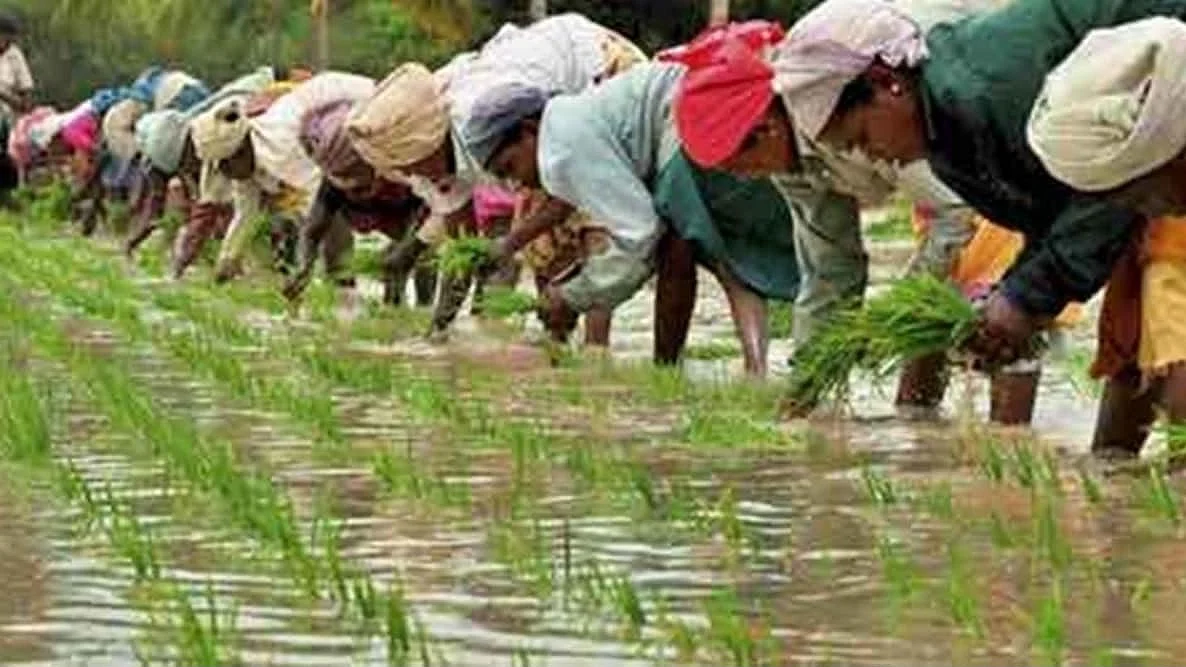
As part of the advisory, farmers have been urged to opt for short and medium-duration crop varieties to reduce the risks posed by erratic rainfall. They have also been encouraged to adopt Direct Seeded Rice (DSR) instead of the conventional transplanting method.
According to officials, DSR can reduce irrigation water use by around 20 per cent, lower cultivation costs by nearly Rs 5,000 per acre and allow harvesting 12 to 15 days earlier than transplanted paddy.
In upland areas prone to low rainfall, farmers have been advised to shift from paddy to less water-intensive crops such as pulses, including pigeon pea (arhar), green gram (moong) and black gram (urad), and oilseeds such as groundnut, sesame and soybean.
Also Read: Monsoon on pause, agriculture in peril
The advisory also recommends row sowing to improve moisture conservation, weed management and root development, helping crops better withstand drought-like conditions.
The agriculture department has made seed treatment mandatory before sowing. If seeds fail to germinate by 15 July, farmers have been advised to undertake resowing using 10 per cent more seed than the normal seed rate.
The department has also recommended sowing moong and urad by the end of July, while sesame, sunflower and medium-duration pigeon pea varieties should be sown in August. Farmers have also been advised to ensure balanced use of fertilisers during periods of low rainfall.
Agriculture experts have said that if rainfall remains below normal during the 2026 kharif season, short-duration paddy varieties, along with pulses and oilseeds, are likely to offer more reliable returns than conventional long-duration paddy.
Sai chaired a high-level review meeting on Friday to assess the state's preparedness for the kharif season in light of the possibility of deficient rainfall.
According to a government statement, the meeting reviewed the likely weather scenario, availability of fertilisers and seeds, water conservation measures, irrigation management, scientific farming practices and rural employment initiatives.
"The interests of farmers are our highest priority. They should not face any shortage of fertilisers, seeds, technical guidance or other essential resources under any circumstances," Sai said while directing officials to prepare district-specific action plans suited to local conditions.
The chief minister said he had recently requested Union minister for health and chemicals and fertilisers J.P. Nadda to provide additional DAP fertiliser for the state. Following the request, Chhattisgarh received more than 46,000 tonnes of DAP, higher than its normal allocation, ensuring uninterrupted supplies for the kharif season.
Sai also directed officials to ensure adequate irrigation arrangements for paddy cultivation through scientific management of water sources, particularly in rain-fed areas. He asked the agriculture department to intensify awareness campaigns on short-duration paddy varieties, Direct Seeded Rice, row sowing, seed treatment, moisture conservation and other scientific farming practices.
He further instructed authorities to expand the cultivation of pulses and oilseeds in upland areas, crack down on the sale of substandard seeds and fertilisers, and prevent black marketing.
The chief minister also called for wider use of the India Meteorological Department's mobile applications — Sachet, Damini and Meghdoot — to help farmers receive timely weather alerts, including lightning warnings.
He said water conservation would be promoted as a people's movement and directed officials to prioritise works under the Viksit Bharat Gram Gaurav Yojana that generate rural employment while strengthening the state's long-term water security.
The state government has appealed to farmers to seek guidance from agricultural colleges, Krishi Vigyan Kendras, research centres and agriculture department officials for farming-related issues.
With PTI inputs
Join our official telegram channel (@nationalherald) and stay updated with the latest headlines