


Cong flags concerns over EU FTA, warns of risks to steel, aluminium domestic industry
Party questions tariff relief on 96% of EU exports, lack of CBAM exemption and impact on trade deficit


The Congress on Wednesday raised concerns over the recently concluded India–European Union Free Trade Agreement (FTA), flagging issues ranging from tariff concessions on over 96 per cent of EU exports to India to the Modi government’s failure to secure exemptions for Indian aluminium and steel producers from the Carbon Border Adjustment Mechanism (CBAM).
Congress general secretary in charge of communications Jairam Ramesh said the agreement represents the largest trade opening India has ever offered to any partner and warned that its implications for India’s trade balance and domestic industry require close scrutiny.
“This hugely hyped FTA is the biggest trade opening India has given to any trade partner, with tariff reduction or relief on over 96 per cent of EU exports to India. It is expected to double India’s imports from the EU, and its impact on India’s trade deficit will have to be monitored carefully,” Ramesh said.
He said one of the Congress’ primary concerns is the government’s inability to secure an exemption for India’s aluminium and steel exports from CBAM, which came into force on January 1, 2026. According to Ramesh, India’s aluminium and steel exports to the EU have already declined from $7 billion to $5 billion and are expected to fall further due to the new carbon-linked levy.
“Over time, CBAM will expand to other categories of Indian industrial exports and could effectively nullify any gains India secures from the FTA,” he said.
Ramesh also expressed concern over the continuation of the EU’s stringent health, sanitary and product safety standards even after the FTA’s implementation, warning that these could act as non-tariff barriers. He said similar accusations have been levelled against the EU by other trading partners.
Questions related to intellectual property rights in the pharmaceutical sector also remain unanswered, he said, adding that the EU has sought privileged access to India’s services market in sectors such as financial services and maritime transport—going beyond India’s commitments under FTAs with countries like the UK and Australia.
The Congress leader further flagged the inclusion of automobiles under the FTA, noting that the Modi government had already opened up India’s automobile sector for the first time under its agreement with the UK. “The FTA with the EU increases the risk for domestic automobile manufacturers,” he said, stressing that particular care is needed to protect India’s emerging electric vehicle industry.
Another key concern relates to India’s largest export to the EU—refined petroleum fuels. Ramesh pointed out that a significant portion of these fuels is sourced from Russia, and said clarity is needed on the future of these trade routes amid geopolitical pressure from Washington.
India and the EU announced the conclusion of negotiations for the FTA on Tuesday, describing it as the “mother of all deals”. Under the agreement, 93 per cent of Indian exports will receive duty-free access to the 27-nation bloc, while imports of EU luxury cars and wines into India will become cheaper.
Negotiations for the FTA began in 2007, were suspended in 2013 due to disagreements, and resumed in 2022. Together, India and the EU account for around 25 per cent of global GDP and nearly one-third of global trade.
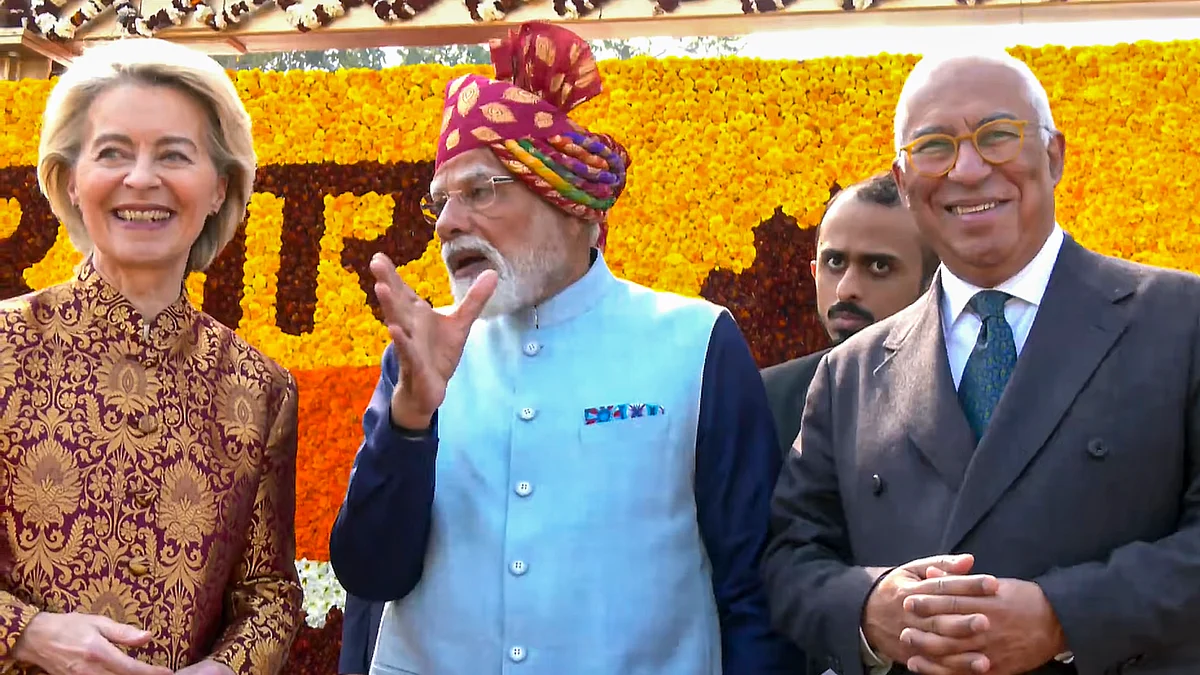
Prime Minister Narendra Modi said the agreement marks the biggest free trade pact in India’s history after holding talks with European Commission President Ursula von der Leyen and European Council President Antonio Costa.
Join our official telegram channel (@nationalherald) and stay updated with the latest headlines