


Delhi HC restores Ambedkar University student, says peaceful dissent can’t be curbed
Court calls expulsion ‘disproportionate’, stresses role of universities in fostering free thought
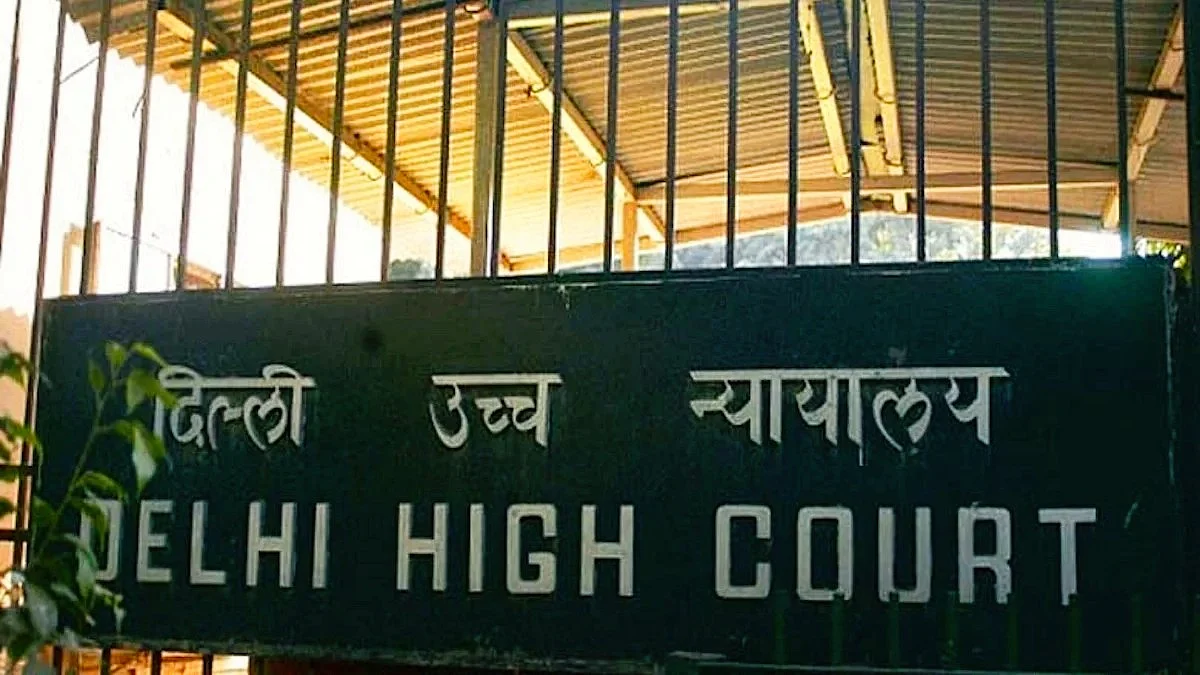


The Delhi High Court has set aside the suspension of a student of Dr B R Ambedkar University Delhi, observing that universities cannot restrict peaceful expression of ideas merely because they do not align with the ideology of the management.
Justice Jasmeet Singh emphasised that institutions of higher learning must provide an environment where students can freely engage in academic discussions, public issues and peaceful protests.
“A school/university is an instrumentality of the State… The University cannot restrict speech and peaceful expression of ideas, merely because the views expressed by a group of students do not align with the ideology of the management,” the court said in its March 13 order.
‘Dissent part of education’
The court underlined that peaceful, non-violent dissent is intrinsic to a university’s role in nurturing critical thinking and independent thought.
It observed that when students express disagreement in an orderly manner without disrupting academic activities, such conduct reflects the “very spirit of freedom” that universities are expected to encourage.
“A university that accepts only obedience fails in its broader educational role,” the court said, adding that institutions must not suppress dissent but respond to it constructively.
Expulsion ‘highly disproportionate’
The case pertained to a student who was suspended in March 2025 over alleged participation in protests following incidents of ragging and bullying on campus.
The university later expelled her in June 2025, alleging that she violated a court direction by participating in a campus-wide boycott.
However, the High Court noted that even if the student had participated in a peaceful sit-in protest, expulsion was a “highly disproportionate” punishment.
It further clarified that any action for violation of a court order must be taken by the court itself, not by the university administration.
“In the present case, there are no allegations that the so-called peaceful protest… interfered with the functioning of the university or academic pursuits of other students,” the court said.
Relief for student
Allowing the petition, the court restored the student’s academic status and permitted her to resume studies from July.
Taking note that she had already lost a year, the court said the period would itself be treated as a form of punishment, as “the clock cannot be turned back”.
The protests were linked to allegations of ragging, including derogatory and gender-insensitive remarks by a student, which reportedly drove another student to self-harm.
The petitioner maintained that she did not actively participate in protests and was merely present at the site when her photograph was taken by security personnel.
The ruling reinforces judicial emphasis on protecting free speech and dissent within educational institutions, while balancing discipline and academic functioning.
Join our official telegram channel (@nationalherald) and stay updated with the latest headlines