


Delhi HC declines to intervene in CJP leaders’ custody, asks them to await SEM hearing
Saurav Das and Ashutosh Ranka withdraw petition challenging detention; court leaves merits open as lawyers question rejection of sureties
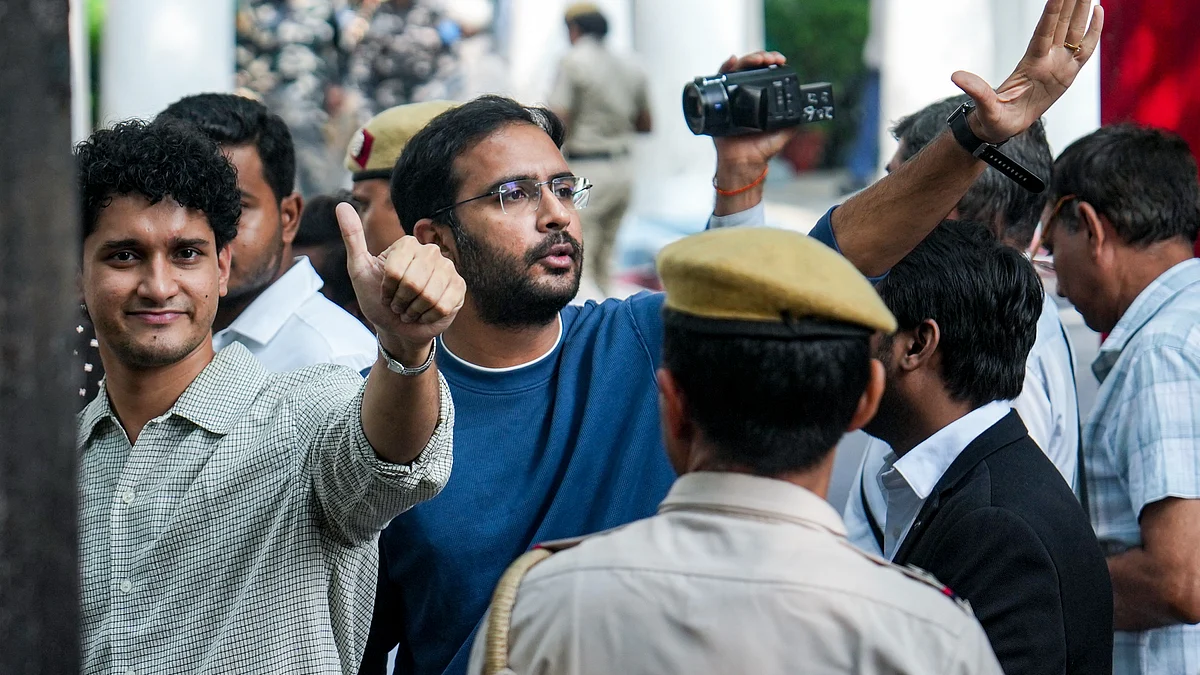


The Delhi High Court declined to intervene in the custody of CJP leaders Saurav Das and Ashutosh Ranka, allowing them to withdraw their petition
The court asked them to await Wednesday’s hearing before the Special Executive Magistrate and pursue an appeal if their grievance remained unresolved
Their lawyers challenged the continued detention, arguing that valid sureties had been submitted and the procedure for rejecting them had not been followed
The Delhi High Court on Wednesday declined to intervene in the continued judicial custody of Cockroach Janta Party leaders Saurav Das and Ashutosh Ranka, asking them to await a hearing before the Special Executive Magistrate scheduled later in the day.
Justice Subramonium Prasad permitted the two CJP co-conveners to withdraw their petition and said they could approach the appellate court if their grievance remained unresolved. He clarified that his observations did not constitute a decision on the merits.
The court took up the case during its Dussehra recess after the leaders sought an urgent hearing against the SEM’s 19 October order extending their custody until 21 October.
Das and Ranka were detained on 13 October after allegedly climbing over a locked gate to enter Jantar Mantar, which had been denotified as a designated protest venue. They displayed the national flag and raised slogans against Chief Election Commissioner Gyanesh Kumar.
They were placed under preventive arrest and sent to five days’ judicial custody on 14 October. A newly appointed SEM at Mandir Marg police station subsequently extended their detention by two days.
Appearing for the petitioners, advocate Abhik Chimni argued that they should be released on personal bonds. He questioned the SEM’s jurisdiction to extend their custody and maintained that the insistence on sureties lacked a legal basis.
Additional Solicitor General Chetan Sharma informed the court that proceedings concerning fresh sureties were already listed before the SEM on Wednesday.
Justice Prasad questioned whether a writ petition under Article 226 of the Constitution the appropriate remedy in a case was involving an alleged repeat breach of a bond to maintain peace.
The judge observed that the petitioners were accused of entering a prohibited protest venue despite having furnished an earlier undertaking to maintain tranquillity. He asked whether the authorities could seek stricter sureties in those circumstances.
The hearing also touched on the movement’s objectives. Referring to its origins in student protests and subsequent demands, the judge said questions about the petitioners’ role and motives—including references to “regime change”—could be examined in appropriate proceedings.
He made clear that those questions did not need to be decided during the present hearing.
After being told that Das and Ranka were aged 27 and 31 respectively, Justice Prasad remarked that they were not members of Generation Z. Chimni responded that they were an inspiration to the movement.
The court also said permission requirements for demonstrations served a public order purpose, including preventing people outside the organisers’ control from joining and turning a peaceful gathering violent. It expressed concern that actions by protest leaders, such as crossing barricades, could encourage others to breach prohibitory orders.
In their petition, Das and Ranka described the custody extension as arbitrary and unlawful. They maintained that they had remained detained despite repeatedly producing the required sureties.
The plea argued that the mandatory procedure under Section 140 of the Bharatiya Nagarik Suraksha Sanhita had not been followed when rejecting their sureties. Delays in accepting and verifying them, it said, defeated the purpose of release.
The petitioners also challenged the use of Section 135(3) to prolong their custody on the ground that they had failed to execute the required bond. They contended that the sureties submitted on 19 October met the legal requirements.
Those objections remain unresolved following the withdrawal of the High Court petition.
With agency inputs
Join our official telegram channel (@nationalherald) and stay updated with the latest headlines