


Delhi riots: SC reserves verdict on bail pleas of Umar Khalid, Sharjeel Imam
Bench hears extensive arguments from both sides; Delhi Police terms riots a ‘pre-planned attack’
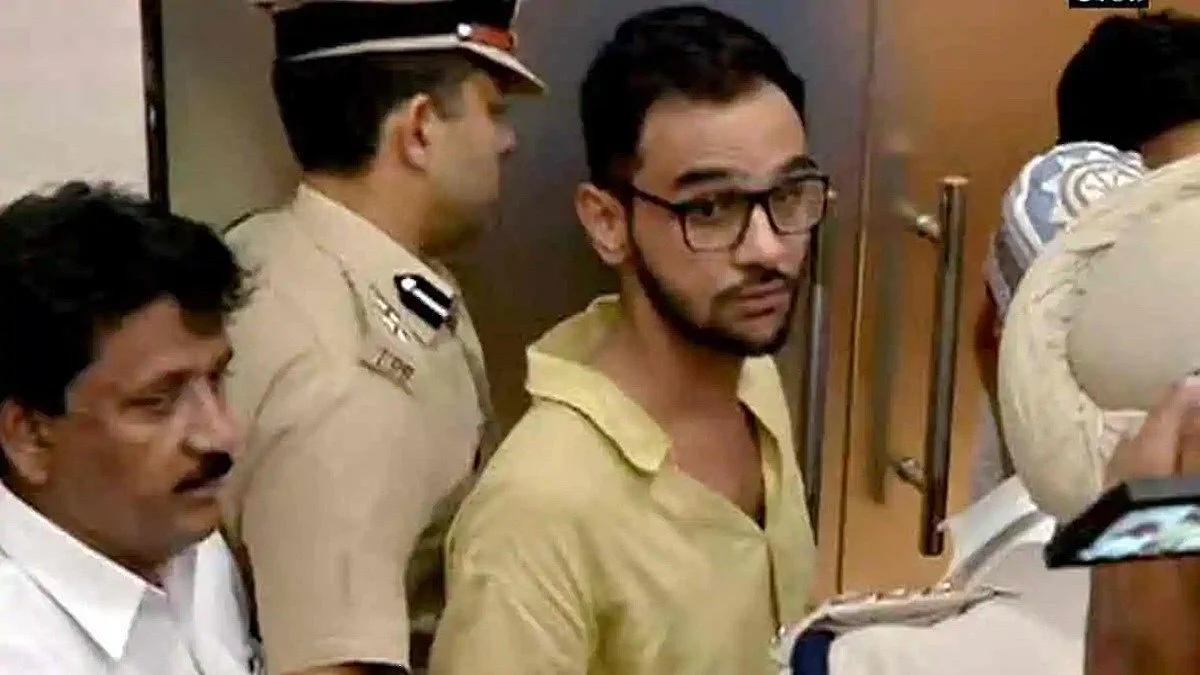


The Supreme Court on Wednesday reserved its verdict on the bail petitions filed by activists Umar Khalid, Sharjeel Imam and several others in the Unlawful Activities (Prevention) Act (UAPA) case linked to the alleged “larger conspiracy” behind the February 2020 riots in Delhi.
A bench of Justices Aravind Kumar and N.V. Anjaria concluded hearings after detailed arguments from Solicitor General Tushar Mehta and Additional Solicitor General S.V. Raju for the prosecution, and senior advocates Kapil Sibal, Abhishek Singhvi, Siddhartha Dave, Salman Khurshid and Sidharth Luthra representing the accused.
The petitioners have challenged the Delhi High Court’s 2 September 2022 order refusing them bail, arguing that the prosecution has relied on vague, inadmissible and politically motivated evidence to invoke the stringent anti-terror law.
Police allege ‘orchestrated conspiracy’
Opposing the bail pleas, the Delhi Police reiterated its stand that the violence of February 2020 — which resulted in 53 deaths and left over 700 injured — was not an outbreak of spontaneous clashes but an “orchestrated, pre-planned and well-designed conspiracy” aimed at destabilising the state.
The riots occurred against the backdrop of widespread protests against the CAA (Citizenship (Amendment) Act) and the NRC (National Register of Citizens).
According to the prosecution, the accused used these protests as a “cover” to create a coordinated network that allegedly fuelled the violence.
The activists have been charged under multiple provisions of the UAPA and the erstwhile IPC (Indian Penal Code), with investigators alleging they were the 'masterminds' who mobilised resources, orchestrated road blockades and disseminated inflammatory messages.
Defence calls case ‘fabricated’
Senior lawyers appearing for the accused argued that the prosecution has failed to establish any concrete evidence linking their clients to acts of violence. They submitted that speeches, WhatsApp messages and protest calls relied upon by the police fall squarely within the ambit of lawful dissent.
Counsel for Umar Khalid and Sharjeel Imam maintained that the invocation of UAPA was excessive and disproportionate, stressing that prolonged incarceration without trial amounts to punishment before conviction.
They also highlighted the slow pace of the trial — with hundreds of witnesses and voluminous charge sheets — and argued that denial of bail practically ensures indefinite detention.
After hearing all parties, the Supreme Court reserved its judgment, signalling that the much-awaited verdict — one with significant implications for UAPA jurisprudence and the boundaries of protest — will be delivered in due course.
It is important to mention that both Imam and Khalid have spent more than five years in jail so far. Imam surrendered to Delhi Police on 28 January 2020 after being booked in sedition and UAPA-linked cases and Khalid
With PTI inputs
Also Read: Is Sonam Wangchuk the next Umar Khalid?
Join our official telegram channel (@nationalherald) and stay updated with the latest headlines