


Detention of Sonam Wangchuk under NSA faces scrutiny in Supreme Court
Wife Gitanjali J. Angmo calls detention “arbitrary” and based on “stale FIRs”, saying activist cannot be linked to September 24 violence in Leh
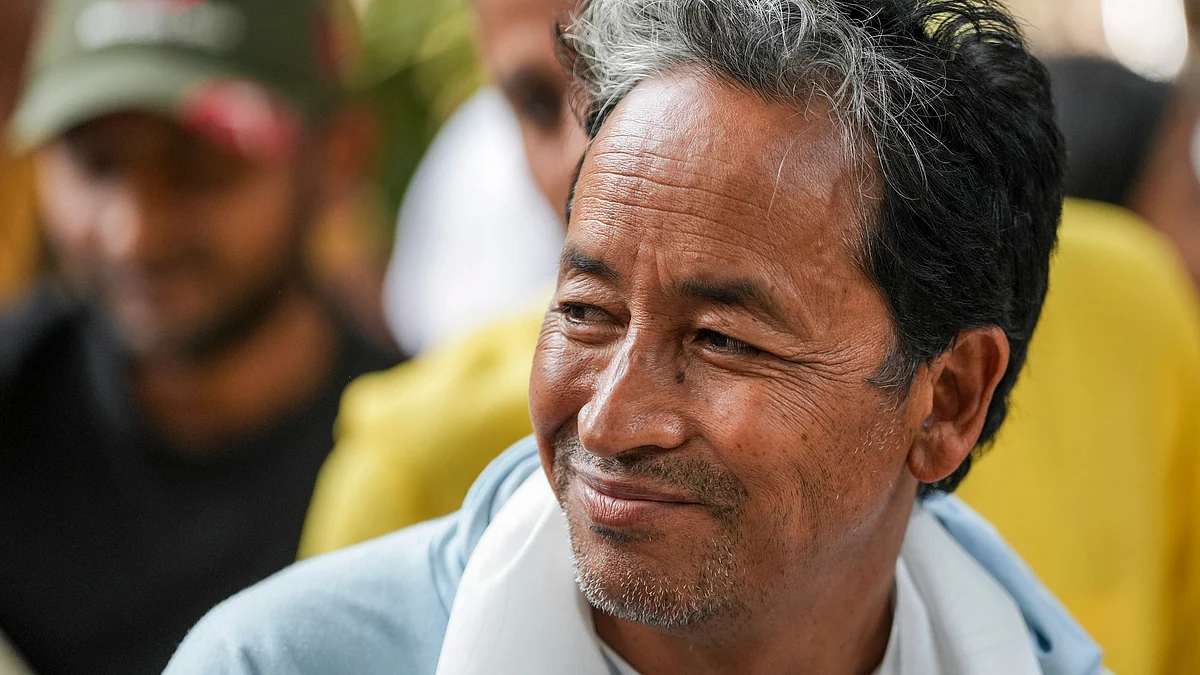


The Supreme Court will on Monday hear a petition filed by Gitanjali J. Angmo, wife of jailed climate activist Sonam Wangchuk, challenging his detention under the NSA (National Security Act).
Angmo has termed the detention “illegal” and an “arbitrary exercise” that violates her husband’s fundamental rights. A bench of Justices Aravind Kumar and N.V. Anjaria is scheduled to take up the case.
On 24 November, the hearing was deferred after Solicitor General Tushar Mehta, appearing for the Centre and the Union Territory of Ladakh, sought more time to respond to Angmo’s rejoinder. Earlier, on 29 October, the top court had issued notices to the Centre and the Ladakh administration on her amended plea.
According to the amended petition, the order detaining Wangchuk is “founded upon stale FIRs, vague imputations, and speculative assertions” and lacks any “live or proximate connection” to the alleged grounds of detention. It contends that such use of preventive powers amounts to a “gross abuse of authority”, undermining constitutional liberties and due process.
The plea describes as “preposterous” the idea that Wangchuk — widely recognised for more than three decades for his contributions to grassroots education, innovation and environmental conservation — would “suddenly be targeted”. Angmo argued that the violent incidents in Leh on 24 September cannot be attributed to Wangchuk in any manner. She said he had publicly condemned the clashes on social media, warning that violence would derail Ladakh’s “tapasya” and its peaceful five-year movement for statehood and Sixth Schedule status. According to her, he described the day of the violence as “the saddest day of his life”.
Wangchuk was detained under the NSA on 26 September, two days after protests in Leh turned violent, leaving four people dead and injuring 90. The government has accused him of inciting the unrest, a claim his supporters dispute.
The NSA empowers the Centre and state governments to detain individuals to prevent them from acting in a manner considered “prejudicial to the defence of India”. Detention under the Act can extend up to 12 months, although it may be revoked earlier.
The case has attracted significant attention in Ladakh and beyond, given Wangchuk’s longstanding advocacy on environmental issues and constitutional safeguards for the region. The Supreme Court’s hearing is expected to determine whether the detention meets the legal standards required for preventive action under the NSA.
Also Read: Is Sonam Wangchuk the next Umar Khalid?
Join our official telegram channel (@nationalherald) and stay updated with the latest headlines