


DGCA to deploy staff inside IndiGo HQ amid tightening oversight of airline
Regulator tightens grip on India’s largest airline amid continuing chaos, crew shortages and passenger anger
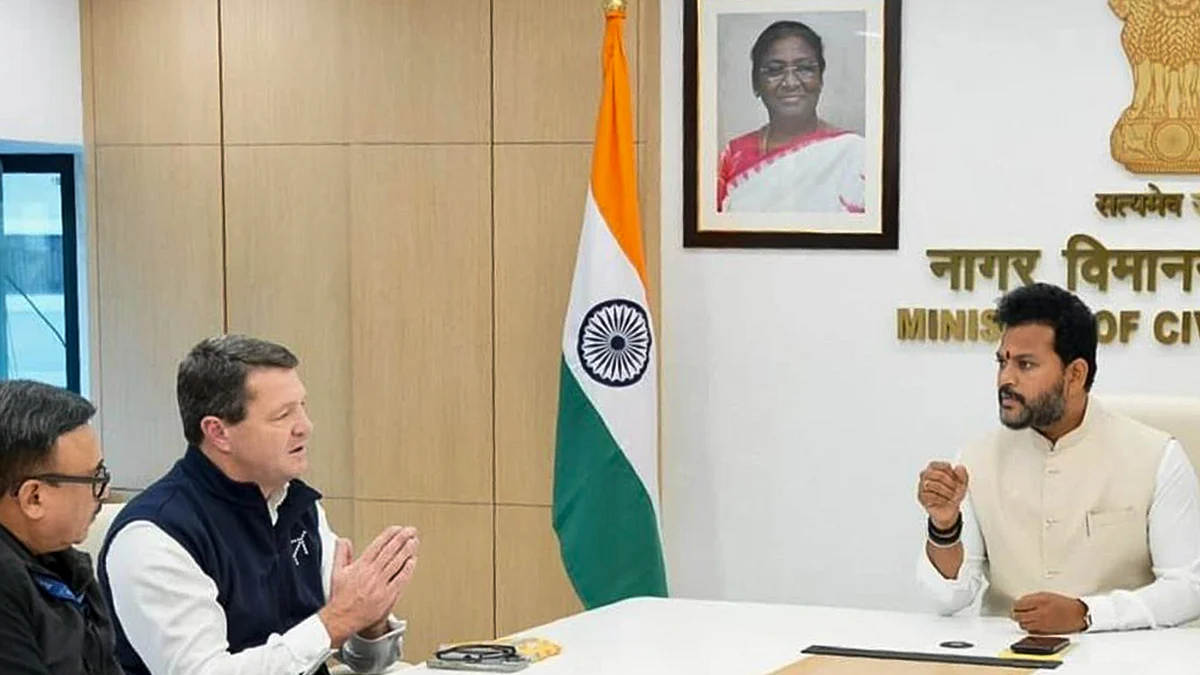


India’s aviation regulator has moved decisively to tighten its grip on IndiGo, deploying personnel inside the carrier’s corporate headquarters and launching on-site inspections across major airports as the country’s largest airline continues to cancel flights despite insisting its schedule has “stabilised”.
In an unusually interventionist step, the Directorate General of Civil Aviation (DGCA) has formed an oversight cell of eight senior captains, two of whom — along with two government officials — will now be physically stationed at IndiGo’s Gurgaon headquarters. They have been tasked with monitoring everything from cancellation patterns and crew deployment to unplanned pilot leave, disrupted routes, and the airline’s real-time staffing position.
“Both these teams will submit a daily report,” the regulator said in its two-page directive.
The DGCA has also summoned IndiGo CEO Pieter Elbers to appear before senior officials on Thursday with a full operational report, including data on disruptions, refunds, schedule recovery and crew availability.
Alongside the headquarters deployment, the DGCA has launched immediate on-site inspections at 11 domestic airports. Officers assigned to each location must visit within the next 72 hours and file a detailed assessment to the director of operations within 24 hours of completing their inspection.
The stepped-up scrutiny comes as IndiGo continues to cancel flights nationwide. Despite claims of normalisation, nearly 220 flights were cancelled on Tuesday alone at major hubs including Delhi and Mumbai.
The government has already slashed IndiGo’s winter schedule by 10 per cent, and the airline has submitted a revised roster accordingly. Normally, IndiGo operates over 2,200 flights a day in the winter schedule.
Since 2 December, the airline — which controls more than 65 per cent of India’s domestic market — has cancelled over 4,000 flights, stranding tens of thousands of passengers and ruining travel plans, weddings, business trips and holidays.
The crisis is widely attributed to IndiGo’s long-standing reliance on aggressive scheduling and heavy night-time utilisation, a model that collapsed after the DGCA tightened Flight Duty Time Limitations (FDTL) this winter. The new rules increased weekly pilot rest requirements and sharply curtailed night landings and extended duty hours. When the changes took effect, IndiGo was left chronically short of crew — a vulnerability critics say the airline should have anticipated.
The result: plummeting on-time performance, chaotic terminals and day after day of mass cancellations.
The Delhi High Court on Wednesday questioned the Central government for failing to act sooner. “Why, at all, this crisis arose and what have you been doing?” a bench of Chief Justice Devendra Kumar Upadhyaya and Justice Tushar Rao Gedela asked, directing both the Centre and IndiGo to ensure adequate compensation for affected passengers.
The court said a committee investigating the disruptions must file its report in a sealed cover by 22 January, the next hearing.
The DGCA, which earlier issued show-cause notices to IndiGo’s CEO and COO, has now constituted a four-member inquiry panel to probe operational lapses.
Civil aviation minister Rammohan Naidu has separately ordered a 10% cut in IndiGo’s planned flights, forcing the carrier to align its schedule with actual pilot availability.
According to the DGCA order, the personnel stationed at IndiGo’s headquarters will monitor, on a daily basis:
Domestic and international cancellations
Refund status and compensation
On-time performance
Baggage handling and return
Total fleet strength
Average stage length
Pilot and cabin-crew availability
Crew utilisation (hours flown)
Unplanned leave (sick, emergency, casual)
Number of sectors hit by crew shortage
Standby crew levels at each base
The oversight team was formed “in view of passenger inconvenience caused due to large-scale disruptions” at multiple airports.
IndiGo must also present a comprehensive dossier on flight restoration plans, recruitment of pilots and cabin crew, updated staffing numbers, cancellations since 2 December, and refunds processed, among other parameters.
Regulators say the crisis will be closely monitored until IndiGo demonstrates sustained operational stability — not merely verbal assurances of it.
With PTI inputs
Join our official telegram channel (@nationalherald) and stay updated with the latest headlines