


DGCA’s relaxation for IndiGo: Escape route or necessary intervention?
The aviation regulator maintained this is not a rollback of fatigue norms but a stabilisation measure, to restore operations and should not be seen as compromising safety
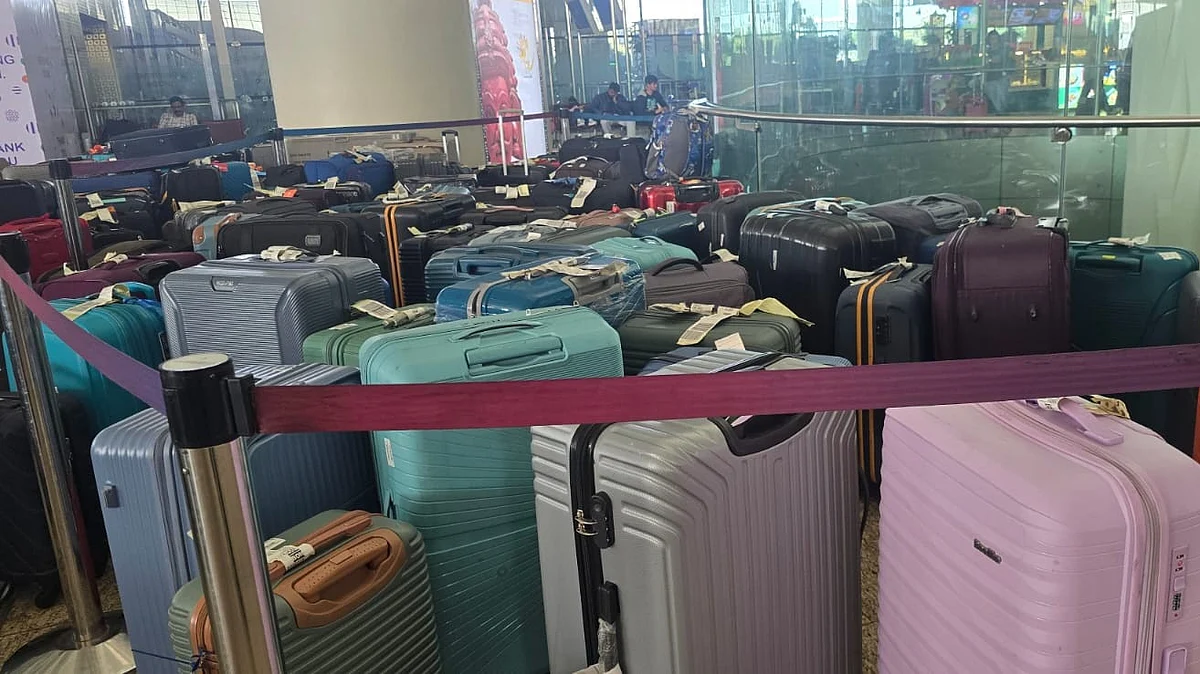


India’s aviation regulator has stepped in to ease flight duty limits for IndiGo, following days of cancellations that have disrupted schedules across major airports. The Directorate General of Civil Aviation (DGCA) has granted the airline a temporary, one-time exemption from parts of the new Flight Duty Time Limitation (FDTL) rules, which govern how long pilots may fly, how many night landings they can perform and the rest they must receive.
The exemptions run until 10 February, with a mandatory review every fortnight. The regulator says the changes are not a rollback of fatigue-management norms but a stabilisation measure to prevent operations from unravelling further. However, the decision has prompted concerns that safety requirements are being relaxed under pressure from the country’s largest airline.
What has been relaxed?
Under the exemption, the definition of “night” has been cut from midnight–6 a.m. to midnight–5 a.m. for IndiGo alone. Pilots operating during these hours can now perform up to six landings – triple the limit set under the new rules. Restrictions on consecutive night duties have also been temporarily eased.
Separately, the DGCA has withdrawn a clause that barred airlines from substituting leave for the mandatory 48-hour weekly rest period. The withdrawal applies to all carriers, not just IndiGo, and is intended to help rebuild rosters.
The regulator insists the changes are temporary, closely monitored and “must not be construed as dilution of safety requirements”. Yet the timing – during a crisis caused by IndiGo’s own misjudgement of crew needs – has raised uncomfortable questions.
How did the disruption begin?
IndiGo admitted to the DGCA that it miscalculated how many pilots it required under the revised FDTL regime, which came fully into force on 1 November. The new rules increased weekly rest from 36 to 48 hours, extended the definition of night duty and limited night landings to two. With its network heavily dependent on late-night flying and rapid aircraft turnaround, the airline found itself short of crew.
Data presented to the regulator shows that to operate its Airbus A320 fleet with stable schedules, IndiGo requires 2,422 captains and 2,153 first officers. In reality, it has fewer captains than needed and only a marginal surplus of first officers. With a lean staffing model and more than 2,300 daily flights, even small gaps ripple into widespread cancellation.
The scale of disruption has expanded every day since Monday. On Friday, more than 500 flights were cancelled, and all domestic departures from Delhi were scrapped until midnight. No other airline has faced disruptions of comparable magnitude.
Safety concerns and criticism
Pilot associations have strongly criticised the regulator’s intervention, warning that fatigue risks should not be adjusted to suit an airline’s operational weaknesses. They argue that exemptions undermine confidence in rules that were introduced to address pilot tiredness – a key safety hazard in global aviation.
While the DGCA stresses the measures are temporary and subject to fortnightly scrutiny, its decision exposes an uncomfortable trade-off: whether to enforce safety rules rigidly and tolerate mass cancellations, or relax them to keep planes flying.
A systemic impact
IndiGo’s position in the market complicates matters. With over 60 per cent domestic share and a fleet larger than all other competitors combined, its disruptions affect the entire system – airports, passengers, slot allocations and connectivity. Industry observers say the regulator’s aim is not to rescue IndiGo as a company, but to prevent a broader breakdown.
The DGCA has demanded regular progress reports and a 30-day roadmap for full compliance. Yet the question remains whether enforcement will be as firm as promised if disruptions continue.
Necessary intervention or precedent?
The situation exposes a deeper challenge: India’s largest carrier has been running a network with little margin for error. High utilisation and tight rostering leave no buffer when rules change. Other airlines operate fewer flights and have not been hit as hard, underscoring how vulnerable IndiGo is to any shock.
Whether the DGCA’s flexibility is justified will depend on what happens next. If operations stabilise and full compliance resumes by February, the move may be remembered as a necessary intervention. But if exemptions linger or are extended, it risks setting a precedent where operational pressure overrides fatigue norms.
For now, what is clear is that the regulator has chosen to prioritise short-term operational continuity over strict adherence to the newly-introduced safety regime – and will have to defend that decision if anything goes wrong.
With Agency Inputs
Join our official telegram channel (@nationalherald) and stay updated with the latest headlines